Aug 21, 2026
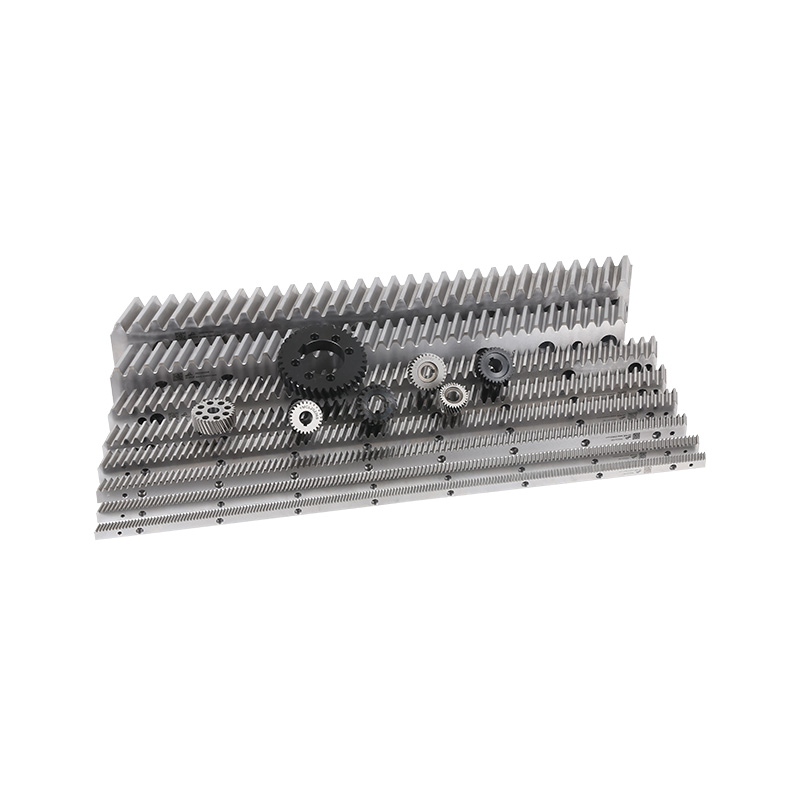
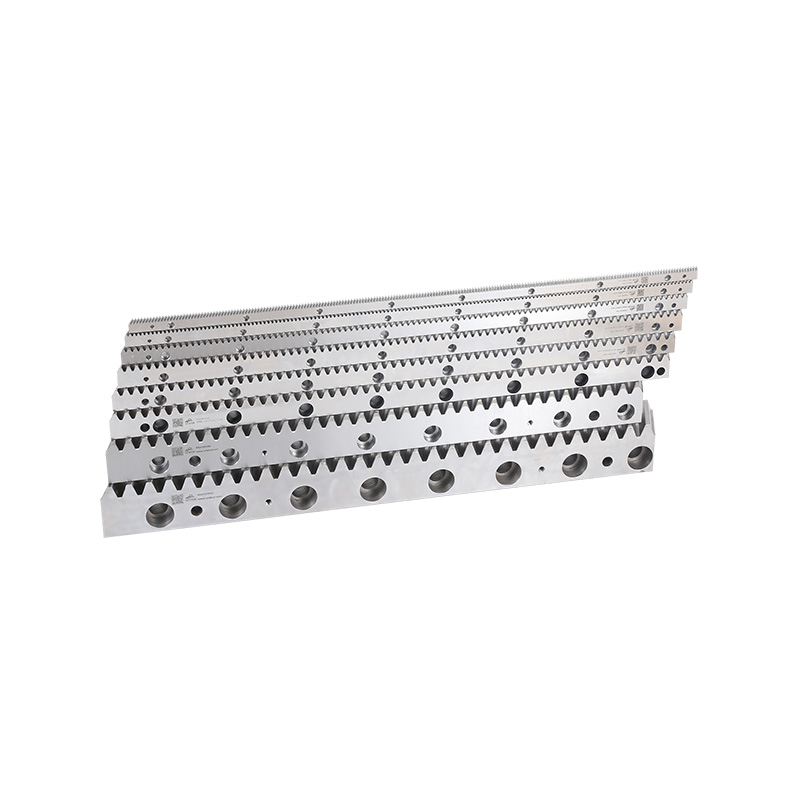
Industrial equipment keeps getting held to tighter standards — smoother positioning, more reliable operation, better control over how things actually move. That pressure has pushed racks into a genuinely important role, since they're what lets one mechanical section pass motion cleanly to another without losing accuracy along the way.
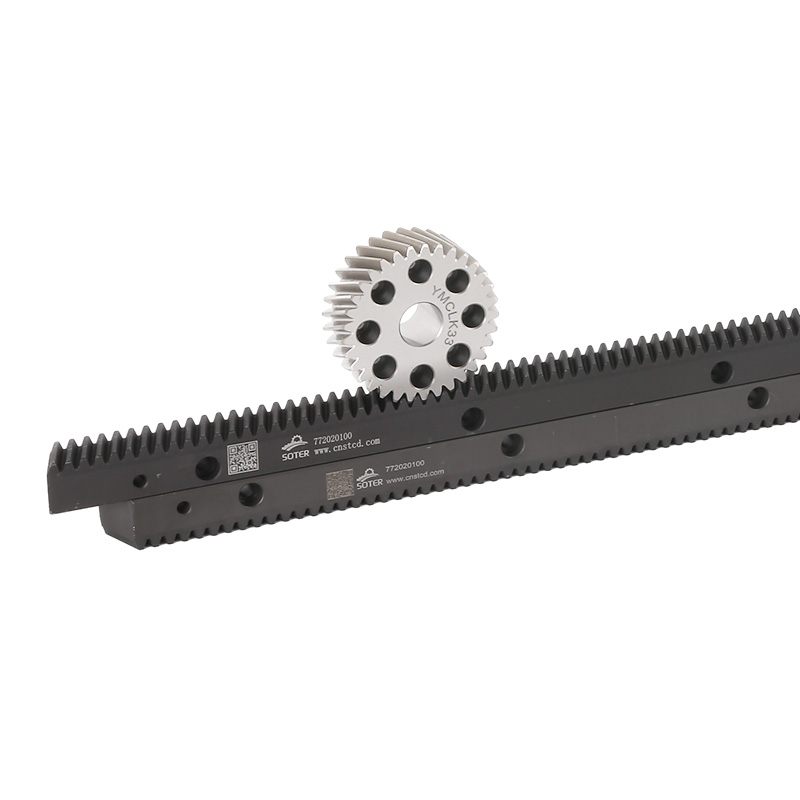
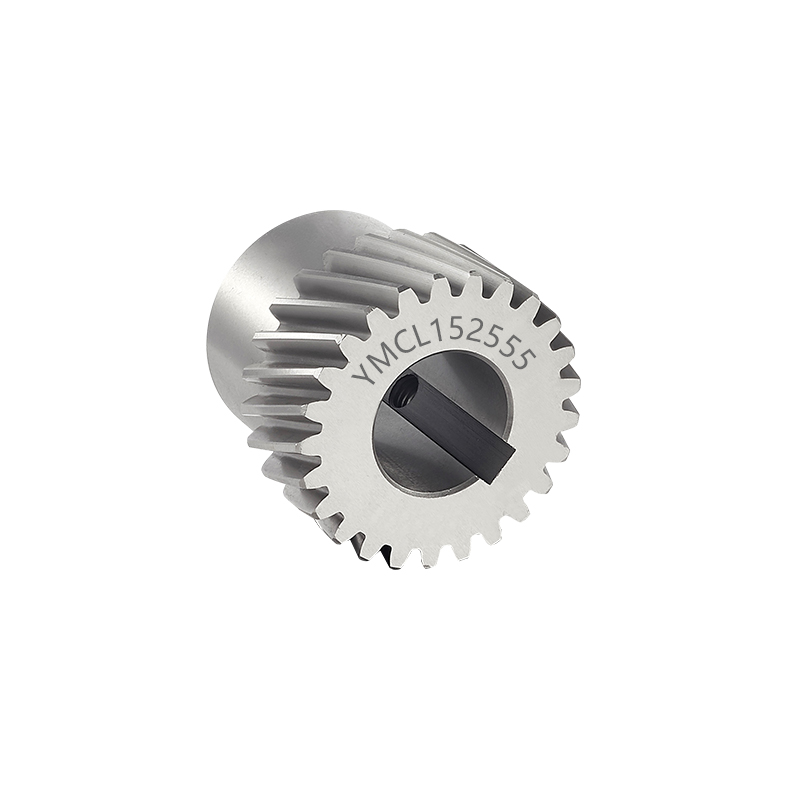
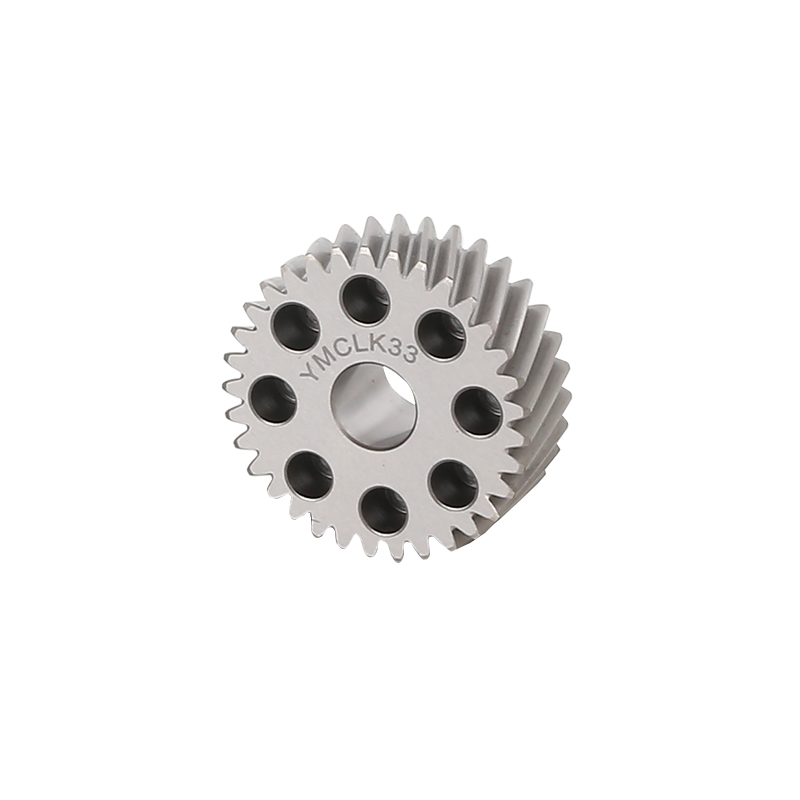
At their core, these racks pair with gear systems to turn rotational motion into straight-line movement. That single function ends up mattering in a lot of places — anywhere a machine needs repeated movement, precise positioning, or tightly coordinated operation between moving parts.
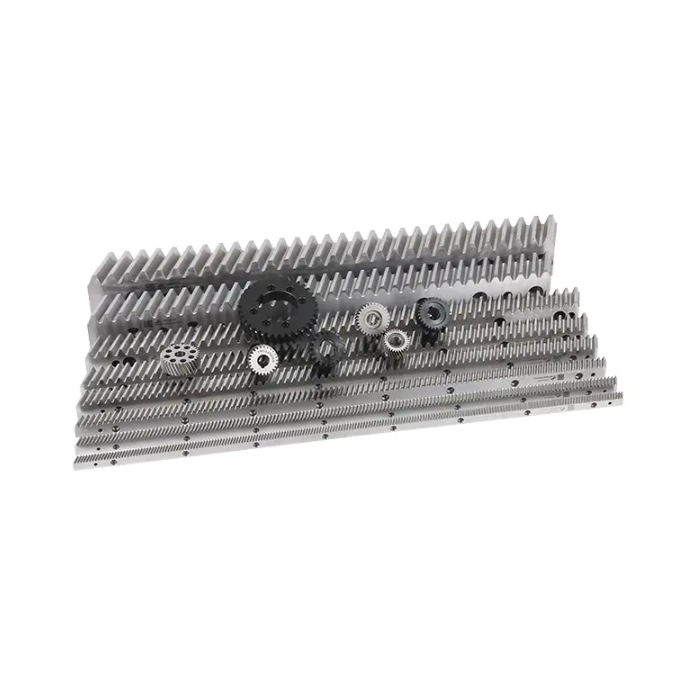
You'll find them showing up in everything from fully automated production lines to highly specialized custom machinery, and that footprint keeps growing as manufacturers pay closer attention to components that genuinely improve workflow and support smarter machine design.
This isn't a niche, single-industry thing, either. Plenty of sectors run machines with movement demands that these components handle well. Here's a breakdown of exactly where precision gear racks tend to show up and why.
It tend to cluster in machines where controlled movement isn't optional — it's the whole point. That design lets equipment repeat the same actions reliably, which is exactly why so many different industries have adopted them.
| Machine Type | Application Purpose |
|---|---|
| Automated production machines | Support controlled movement during manufacturing processes |
| Cutting and processing equipment | Help guide moving parts with better coordination |
| Robotics systems | Assist movement between mechanical sections |
| Packaging machines | Support repeated positioning operations |
| Inspection equipment | Help achieve stable movement during testing processes |
| Material handling machines | Improve movement control during transportation tasks |
Automated production machines are probably the familiar users here — they need consistent, repeatable movement to pull off assembly, handling, and processing tasks without constant human recalibration.
Robotics leans on this same precision. Robots depend on coordinated movement to actually get their jobs done, and gear racks help form the backbone of the systems that keep that motion organized.
Cutting and processing equipment counts as another major use case. These machines regularly need moving parts to follow tightly defined paths, and a solid transmission setup is what keeps that operation stable run after run.
Automation has completely reshaped how factories organize their production lines. Modern equipment is expected to run through tasks with minimal manual tweaking and a lot more consistency than older setups ever managed — and racks are quietly doing a lot of the work behind that shift.
Automated machinery typically involves moving platforms, positioning systems, and mechanical arms, all of which need genuinely controlled movement to complete each production step properly. Gear racks provide the mechanical link that keeps all of that coordinated.
Reliability matters a lot in manufacturing — even a small movement error can throw off an entire production run. By keeping motion transfer accurate, these components help equipment hold onto that operational consistency run after run.
Flexibility matters just as much. Every production line has its own layout and its own particular demands, and gear racks integrate into a wide range of machine structures, giving designers real room to build equipment that actually fits their specific setup rather than forcing a generic solution.
This all ties into the broader push toward smarter manufacturing, too — as machines get more sophisticated, their movement systems need to keep pace with that added coordination and control.
Robotics is really where precise movement stops being a nice-to-have and becomes the entire job. Robots are built to repeat actions, move materials, and handle genuinely complex tasks — and none of that works without movement systems capable of accurate positioning.
You'll find racks across a range of robotic equipment, including:
Industrial robots frequently need to travel along very specific paths, and a stable transmission setup is what keeps that motion coordinated rather than erratic.
Automated handling robots rely on their movement systems to shuttle materials between different work areas, and gear racks support exactly the kind of linear travel those operations need.
Assembly robots depend on tightly controlled positioning while working with various components — and how accurate that movement is directly affects the quality and efficiency of the whole assembly process.
As robotics technology keeps advancing, demand for dependable motion components is only going to grow, and racks remain a genuinely solid option for manufacturers designing machines with flexible movement needs.
Cutting and processing equipment tends to involve a lot of repeated movement — tools or workpieces need to travel in a controlled, predictable way to actually get the job done.
It show up regularly in machines like:
These machines depend heavily on smooth, reliable movement to keep workflow organized. When the movement system is working well, operators end up managing production tasks with a lot less friction.
Gear racks also give equipment designers more room to build compact, flexible machine structures. Rather than wrestling with overly complicated movement arrangements, manufacturers can lean on components that genuinely match their design goals from the start.
Processing needs vary a lot across industries, too — metal processing looks nothing like general manufacturing in terms of demands — but machines across the board tend to need movement systems that can adapt as tasks change. It support exactly that kind of adaptable, controlled linear movement.
Packaging and material handling both depend on equipment that moves products efficiently, and that almost always means repeated movement paired with accurate positioning.
Packaging machines lean on precision gear racks for tasks like:
Material handling equipment benefits just as much from this kind of controlled movement. Warehouses, production facilities, and logistics operations all run machines that move items from point A to point B constantly, all day long.
Automated storage systems, transfer equipment, and handling platforms frequently build their movement systems around racks, which helps keep operations organized and cuts down on wasted, unnecessary motion.
As automated logistics keeps expanding, attention toward dependable machine components has grown right alongside it. Companies want equipment that improves workflow while still staying adaptable as operational needs shift — and racks fit that need well, offering a genuinely practical solution for machines built around repeated, controlled movement.
Machine designers weigh several factors before settling on movement components — the application environment, the machine's overall structure, and the specific operational demands all shape that final choice.
| Consideration | Importance in Machine Design |
|---|---|
| Movement requirements | Determines the suitable transmission approach |
| Machine structure | Influences component integration |
| Working environment | Affects equipment design decisions |
| Production needs | Helps define movement system requirements |
| Future adjustments | Supports flexible machine development |
The type of machine itself plays a huge role here — a packaging machine's needs look nothing like a robotic system's, and neither really matches a processing machine's demands.
Design flexibility matters just as much. Manufacturers frequently need equipment capable of handling a range of production scenarios, and components that integrate easily give them a lot more room to work with during development.
Maintenance considerations factor in too — businesses generally lean toward machine designs that stay easy to manage and keep running stably over the long haul.
The steadily growing use of racks reflects a bigger industry trend — equipment manufacturers are increasingly focused on building systems that deliver accuracy, flexibility, and genuinely practical day-to-day operation.
Demand for more advanced machinery keeps pushing innovation forward in movement systems, and as industries lean further into automation, components that support accurate motion aren't going anywhere.
It look set to keep their place across a wide range of machine categories. Their reach across automation, robotics, processing, and material handling already says a lot about just how adaptable they really are.
Future machine designs will likely keep chasing greater flexibility and efficiency, since businesses increasingly need equipment that can respond to shifting production demands without requiring major overhauls every time something changes.
As industrial equipment keeps evolving, that's only going to open up more opportunities for precision movement solutions. Precision gear racks are set to remain a genuinely valuable component for machines that depend on organized, controlled operation.
Share:
Related Products

If you have cooperation intention, please leave a message for us or use the following ways to contact us.We will reply to you as soon as possible and provide you with more sincere service, thank you.
Production
QR Code
Call Us :
+86-13758631128
E-mail :
sttc@cnstcd.com
Add :
31 piazza road, ruoheng town, wenling city, taizhou city, zhejiang province, China.
Copyright © by Zhejiang Soter Transmission Technology Co., Ltd. Rights Reserved.

China Rack And Pinion For Sale

 English
 中文简体
中文简体
 Español
 русский