Aug 14, 2026
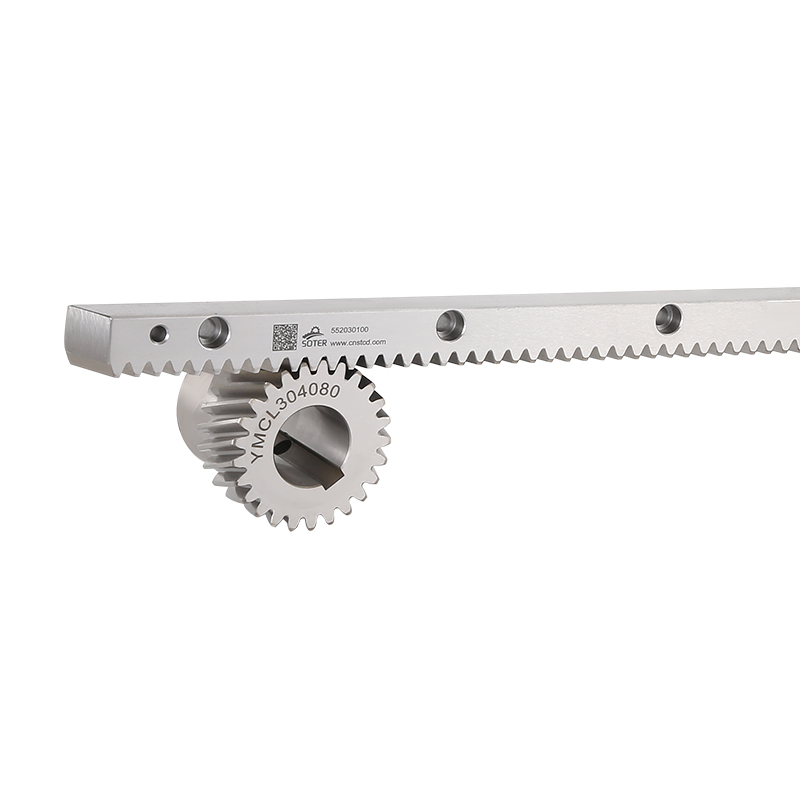
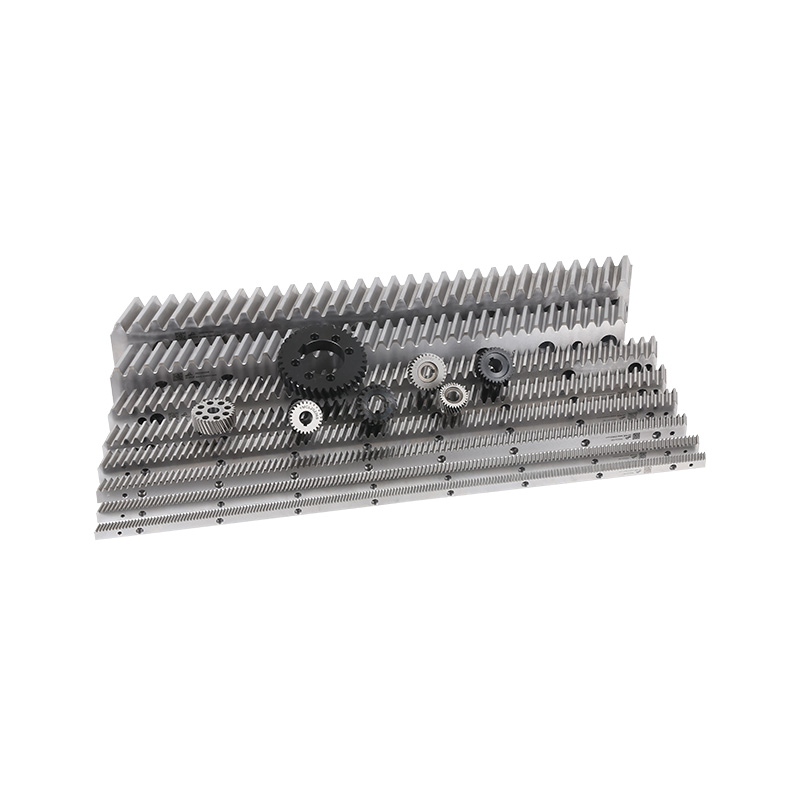
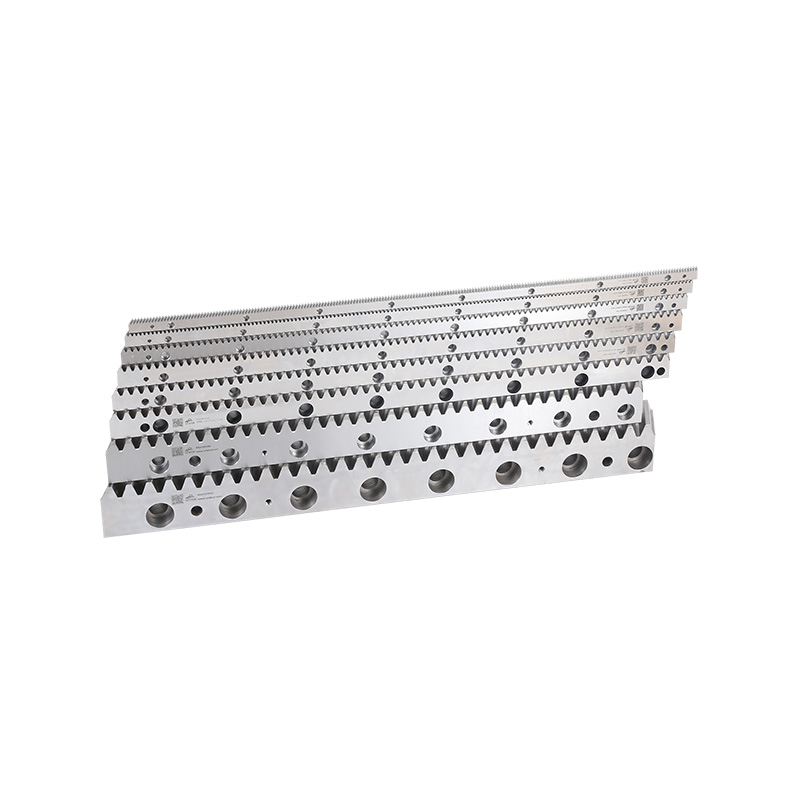
In a lot of industrial settings, motion needs to be smooth, controlled, and genuinely reliable. Systems that convert rotational movement into linear motion play a quiet but essential role in making that happen. Among them, the rack and pinion helical has earned real attention for its distinctive tooth design and the performance it delivers.
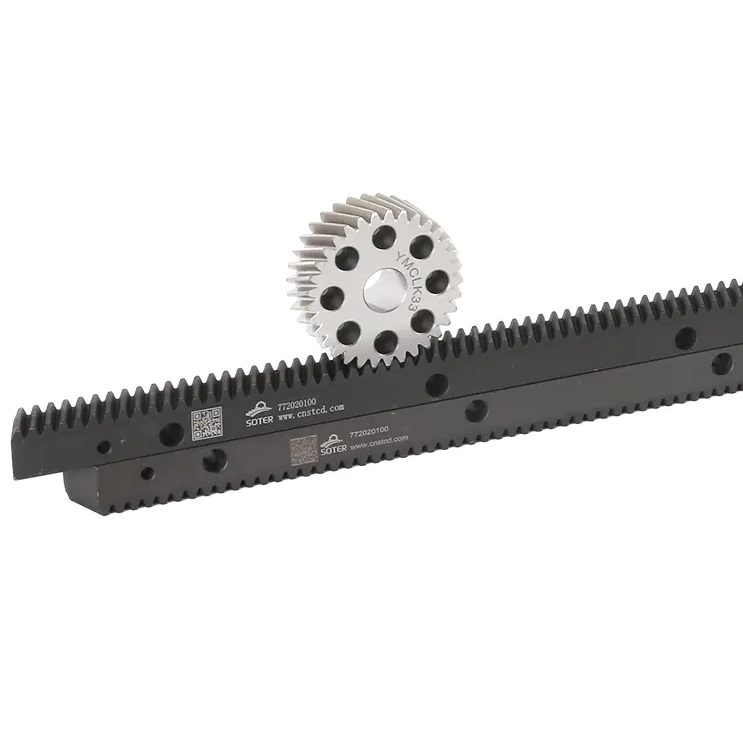
Unlike straight-tooth systems, this configuration relies on angled teeth. That small geometric shift creates noticeable differences in how force gets transmitted, how noise develops, and how wear accumulates over time. As industries keep refining automation and mechanical movement, conversations around this design just keep coming up more often.
Here's a practical, industry-focused look at where helical rack and pinion systems genuinely shine, and where they run into real limitations.
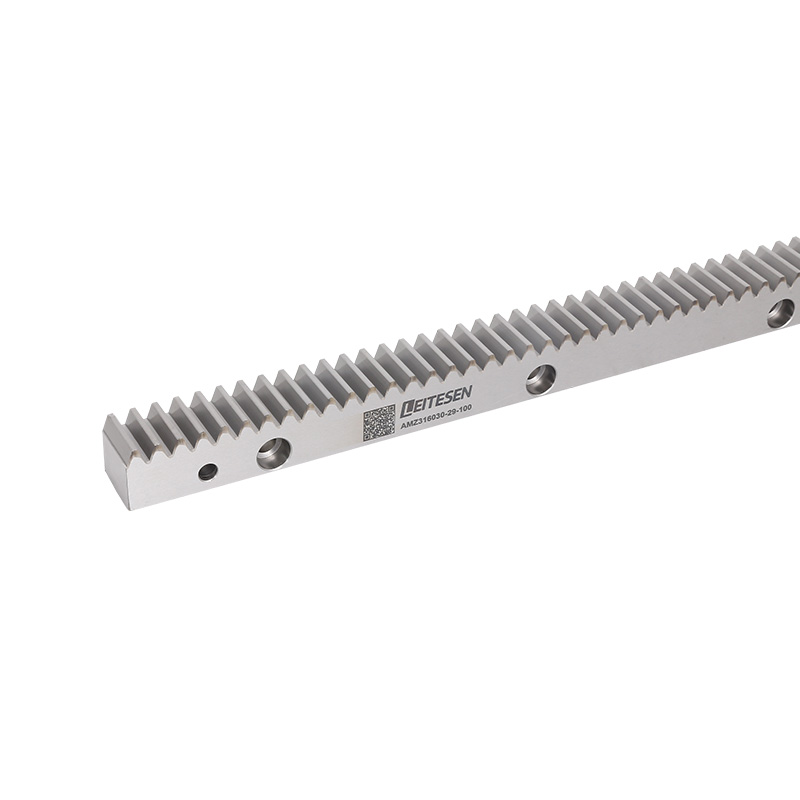
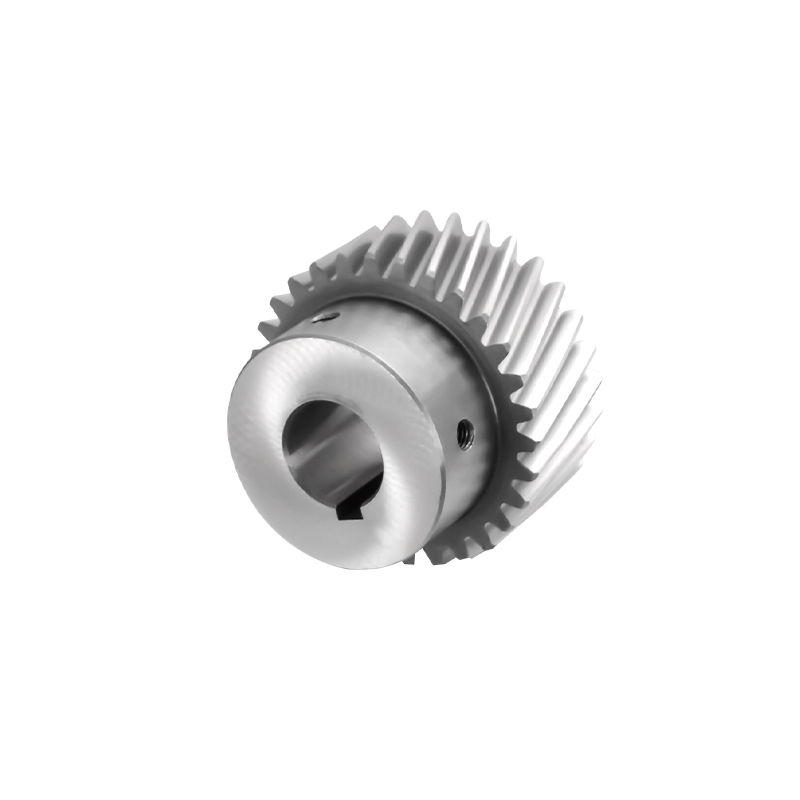
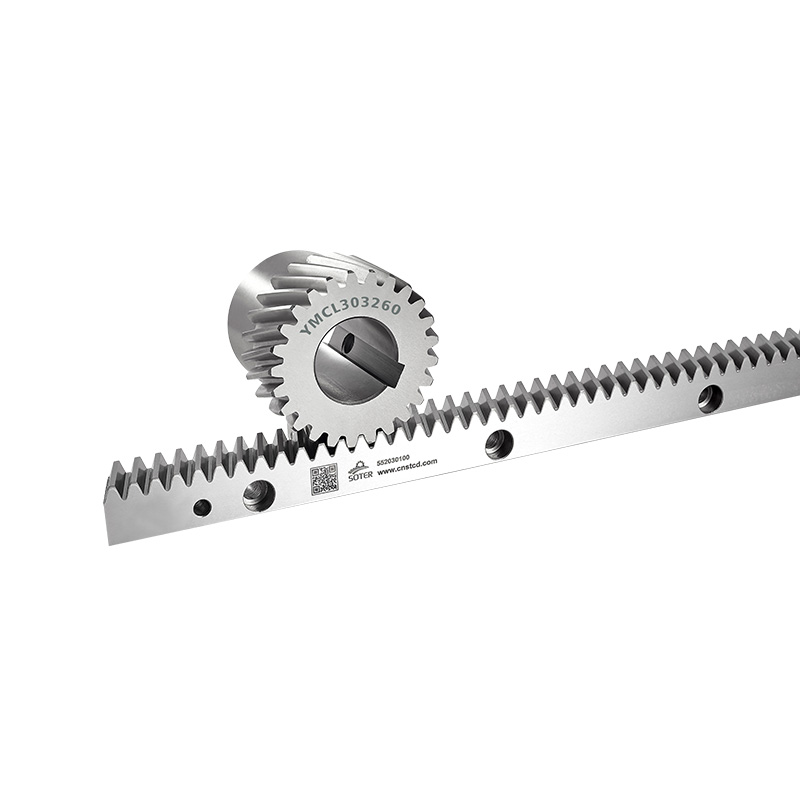
The defining trait here is the angled tooth profile. Instead of teeth meeting abruptly, they engage gradually — contact starts at one end of the tooth and sweeps across its surface as rotation continues. That creates a genuinely rolling interaction rather than a sudden, jarring impact.
That difference ripples through several aspects of operation:
Straight-tooth systems, by contrast, rely on direct engagement. The interaction is simpler, sure, but it's also less progressive. The helical design brings a level of refinement that genuinely matters in applications where movement quality is a real priority, not just an afterthought.
One of the immediately noticeable traits is just how motion flows through the system. Because tooth engagement happens gradually, transitions between positions feel a lot less abrupt than in other designs.
That matters quite a bit in environments where vibration can genuinely throw off results:
The smoother engagement cuts down on sudden force spikes, which helps keep motion consistent — especially through direction changes or when load conditions shift unexpectedly.
Noise is a genuine concern across manufacturing and automation spaces. Machinery producing sharp, repetitive sounds can wear on operators and even interfere with nearby equipment over time.
Helical rack and pinion systems tend to run noticeably quieter than straight-tooth alternatives. The reason really comes down to how contact actually happens:
That combination produces a softer sound profile overall. Instead of a sharp clicking or knocking, the system settles into a more continuous, subdued tone throughout operation.
In settings where noise control genuinely matters as part of workplace conditions, this trait can end up shaping the whole design decision.
Load handling is another area where the helical design really shows its value. Since several teeth stay in contact at the same time, force never concentrates on just one single point.
That spreads out into a few genuinely practical effects:
In applications demanding consistent force transmission, this kind of distribution genuinely supports longer service life and steadier operation across the board.
That advantage doesn't come free, though — it carries real trade-offs once you look closer at system complexity.
The angled tooth structure introduces genuine complications during manufacturing and installation. Alignment becomes a lot more sensitive, and getting the interaction between components right demands careful setup from the start.
Some common challenges worth flagging:
The system can also generate axial forces because of those angled teeth. Those forces need genuine management within the overall design, which often means adding extra support components that a simpler system wouldn't need.
None of this rules out effective use, to be clear. But it absolutely factors into decisions on projects where simplicity is genuinely the priority.
Cost here rarely comes down to a single element — several pieces feed into the total:
Helical rack and pinion systems often carry a higher initial investment compared to simpler designs. That said, the operational benefits can offset that cost over time, depending heavily on the application in question.
For some industries, smoother motion and reduced noise genuinely justify the added expense. In others, where basic movement does the job just fine, simpler alternatives remain the practical choice.
The traits that define helical rack and pinion systems line up well with environments demanding controlled, consistent motion. Applications vary, sure, but a few clear patterns show up repeatedly.
Typical use cases include:
In these contexts, the balance between motion quality and durability genuinely shapes which system ends up getting selected.
Here's a quick table laying out the core trade-offs:
| Aspect | Advantages | Disadvantages |
|---|---|---|
| Motion Quality | Smooth and continuous movement | Requires precise alignment |
| Noise Level | Lower operational noise | May still vary depending on installation |
| Load Distribution | Even force sharing across multiple teeth | Additional forces need management |
| Wear Characteristics | Reduced localized stress | Maintenance can be more involved |
| System Complexity | Refined mechanical interaction | More complex design and setup |
| Cost Consideration | Potential long-term value | Higher initial investment |
This comparison really lays bare the balance between genuine performance benefits and the practical challenges that come attached to them.
The right call really hinges on priorities. If smooth motion, reduced noise, and consistent performance top the list, the helical design delivers clear, tangible benefits. If simplicity, easy maintenance, and lower upfront cost matter more, other configurations deserve a serious look instead.
Engineers and designers typically weigh:
No single system fits every scenario equally well. The real value of a helical rack and pinion comes down to how closely it actually aligns with a project's specific operational needs.
As automation keeps expanding, expectations around motion control keep shifting right along with it. Systems get judged now not just on whether they function, but on how well they hold up performing over time.
Growing attention is landing on:
Helical rack and pinion systems fit neatly into that broader trend. They reflect a genuine move toward refined mechanical solutions that support both raw performance and better working conditions overall.
At the same time, practical considerations haven't disappeared from the conversation. The balance between sophistication and simplicity keeps shaping adoption decisions differently across different sectors, and that tension isn't going away anytime soon.
The conversation around helical rack and pinion systems was never really about replacing every other design out there. It's about understanding exactly where these characteristics deliver genuine value, and where a different solution might just make more practical sense instead.
Share:

If you have cooperation intention, please leave a message for us or use the following ways to contact us.We will reply to you as soon as possible and provide you with more sincere service, thank you.
Production
QR Code
Call Us :
+86-13758631128
E-mail :
sttc@cnstcd.com
Add :
31 piazza road, ruoheng town, wenling city, taizhou city, zhejiang province, China.
Copyright © by Zhejiang Soter Transmission Technology Co., Ltd. Rights Reserved.

China Rack And Pinion For Sale

 English
 中文简体
中文简体
 Español
 русский