Aug 28, 2026
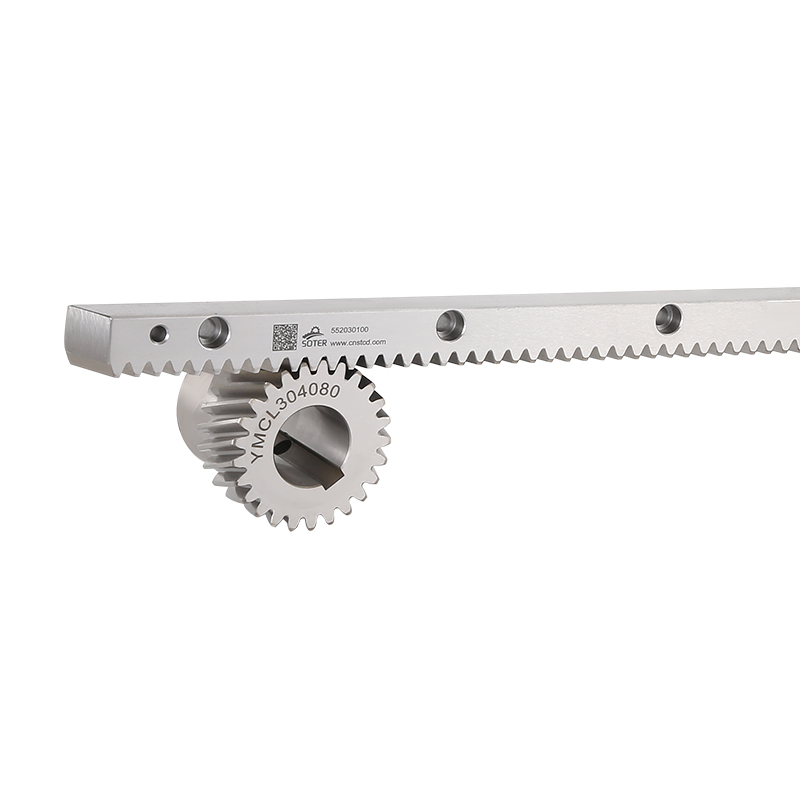
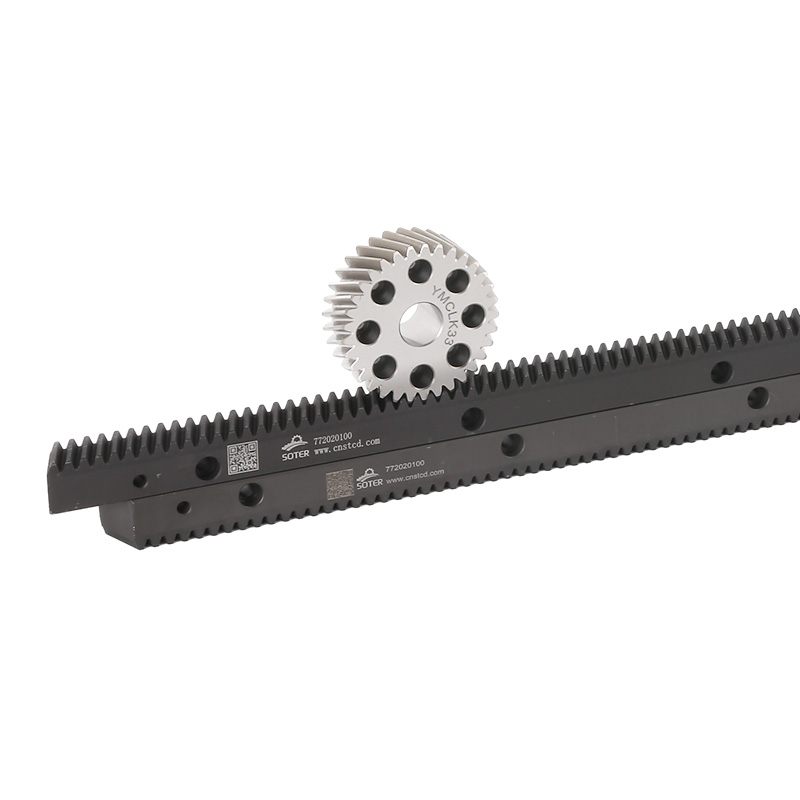
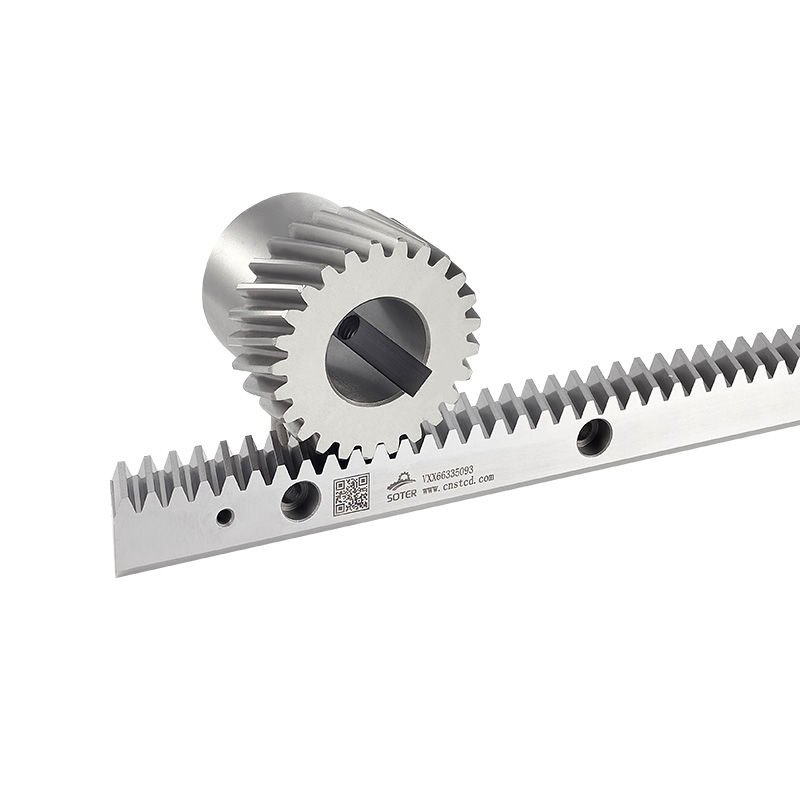
Rack and pinion systems genuinely show up everywhere when rotary movement needs to become linear movement. The basic idea stays genuinely simple. A round gear, known as the pinion, works with a straight rack. As the pinion turns, the rack genuinely moves along its length.
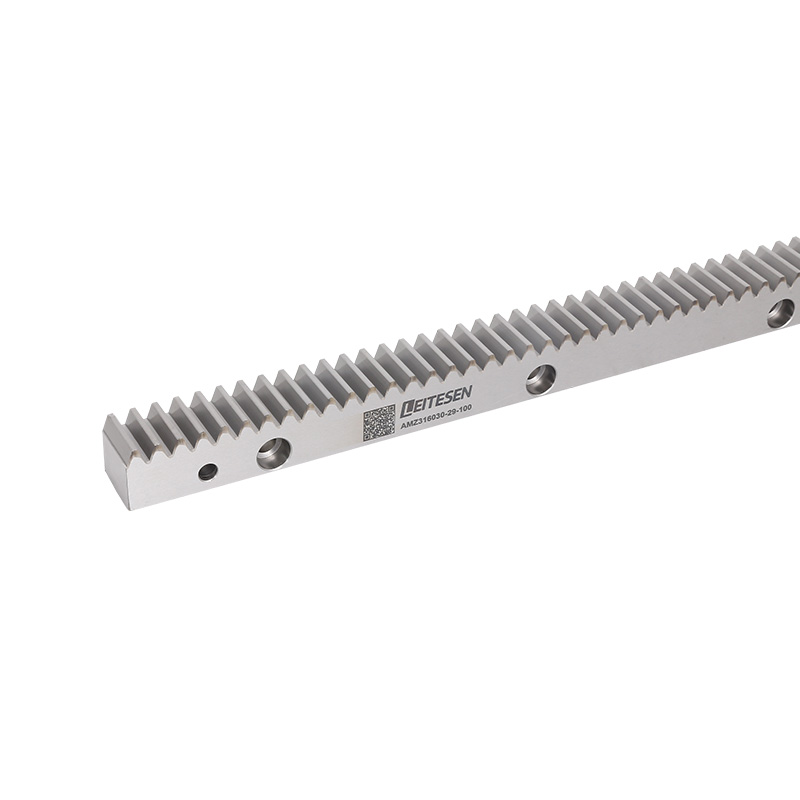
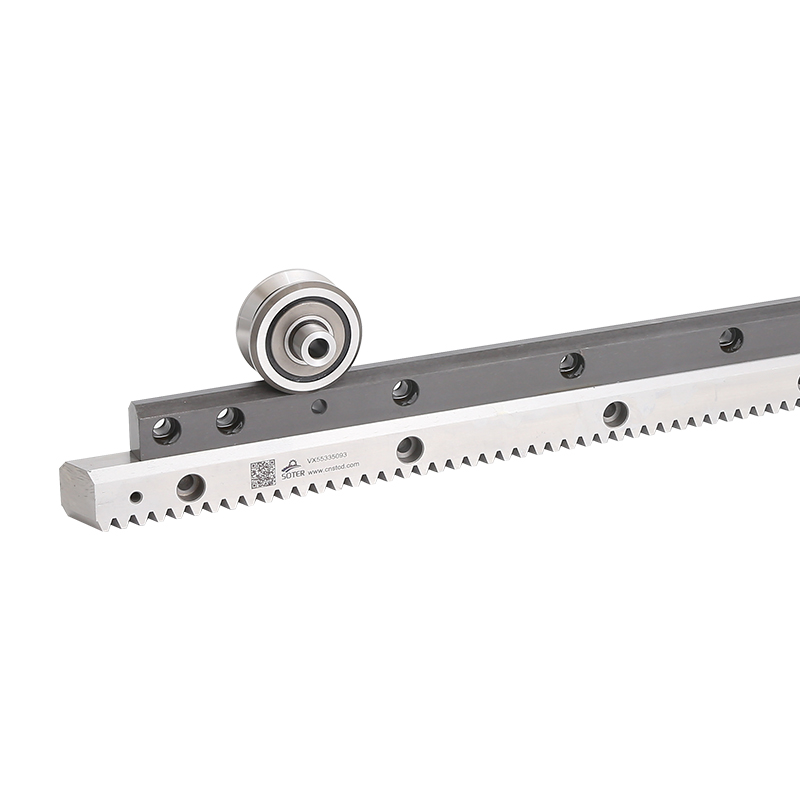
Although the principle stays shared, rack and pinion products genuinely aren't all designed the same way. One important difference lies in the tooth arrangement. Straight rack and pinion gear uses teeth that run directly across the gear. Helical rack and pinion gear uses teeth set at an angle instead.
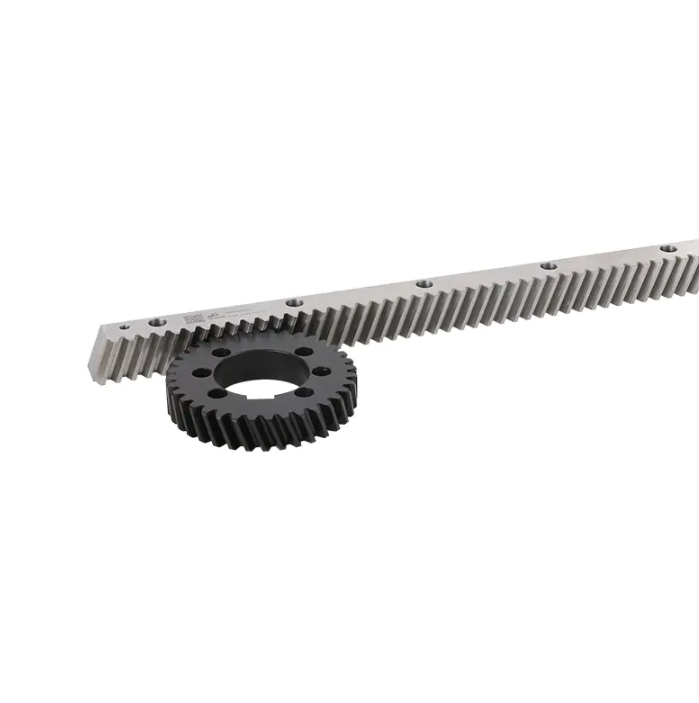
This difference genuinely changes how the teeth meet during movement. It can also genuinely shape how the system feels during operation, how the load gets shared, and where the product actually fits.
The choice between the two, then, genuinely isn't simply a matter of shape. It genuinely comes down to the motion requirements, operating environment, equipment structure, and priorities of the application.
The easiest way to understand the difference is genuinely looking at the direction of the teeth.
In a straight rack and pinion system, the teeth arrange in a straight pattern. The pinion and rack engage in a genuinely direct manner. The movement is relatively easy to understand and the overall design stays familiar across a lot of mechanical applications.
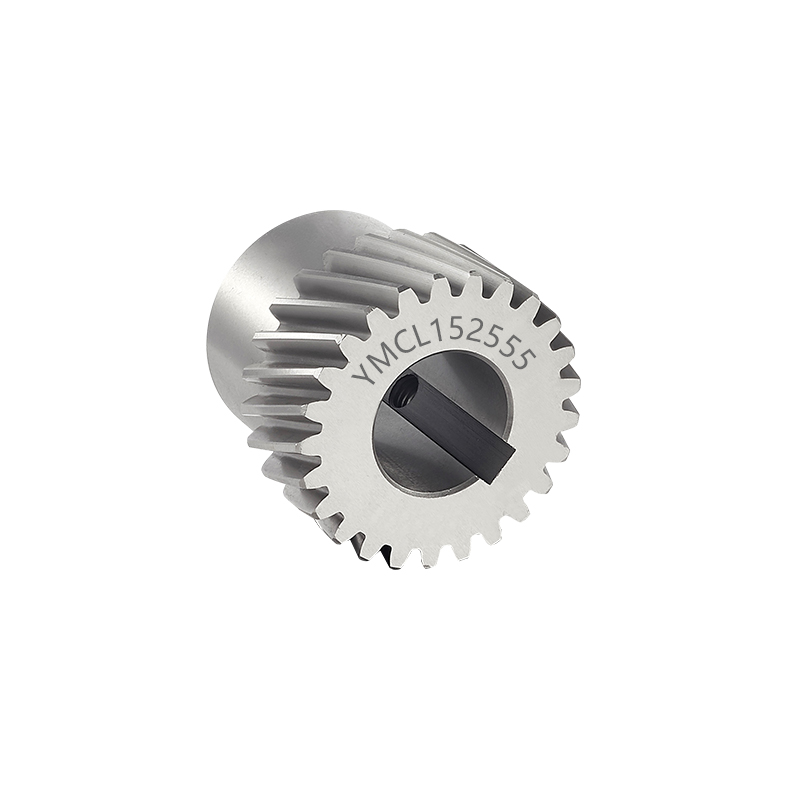
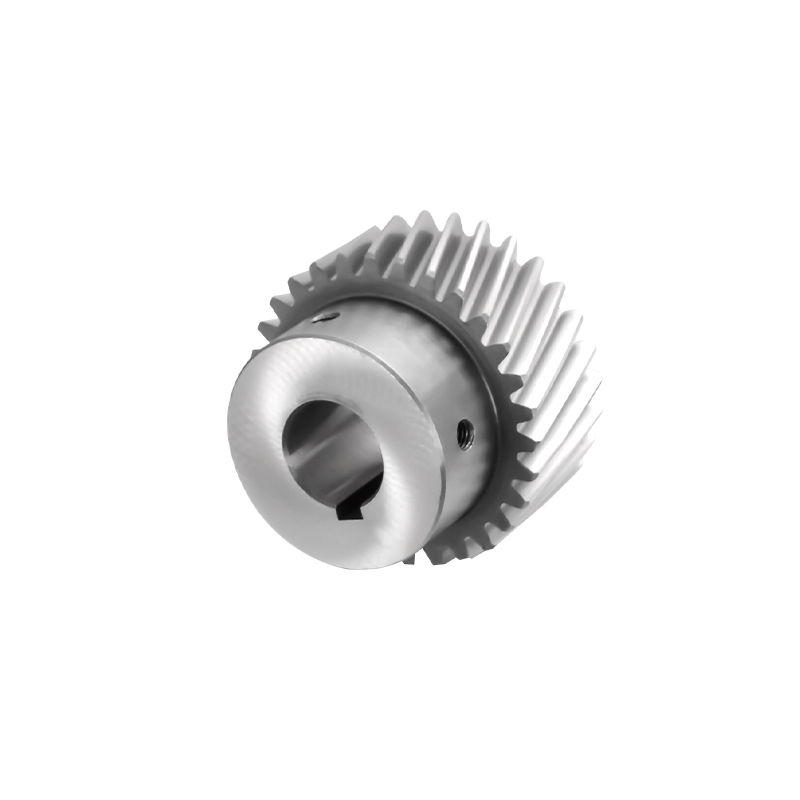
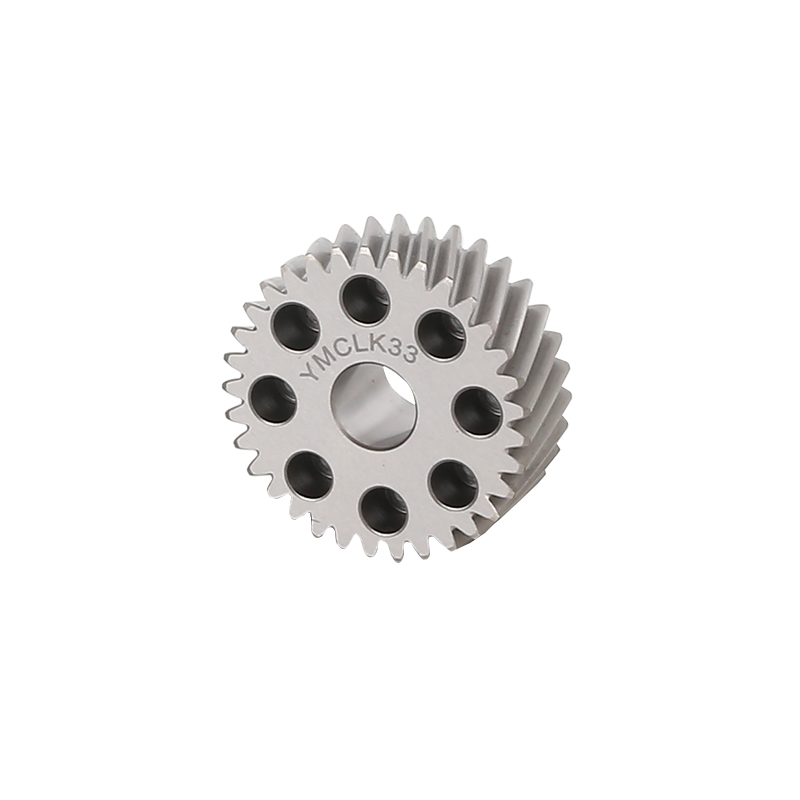
A helical rack and pinion system uses angled teeth instead. The teeth meet progressively rather than engaging across the entire contact area all at the same instant.
This creates a genuinely different interaction between the rack and pinion.
The angled arrangement can genuinely make engagement feel more gradual. It might also help distribute contact along the tooth surface during movement.
A straight design, by comparison, carries a more direct engagement pattern. Its simple arrangement can genuinely make it attractive when the application doesn't demand the additional characteristics tied to angled teeth.
| Feature | Helical Rack and Pinion | Straight Rack and Pinion |
|---|---|---|
| Tooth Direction | Angled | Straight |
| Tooth Engagement | More Gradual | More Direct |
| Motion Feel | Can Be Smoother | More Straightforward |
| Design Character | More Involved | Simpler |
| Common Consideration | Smooth Movement and Load Sharing | Simplicity and Practical Use |
Common ConsiderationSmooth movement and load sharingSimplicity and practical use
These differences genuinely don't make one design suitable for every situation. Each genuinely has its own place in mechanical equipment.
Tooth direction genuinely carries a direct relationship with how the rack and pinion interact.
With straight teeth, engagement genuinely happens in a relatively direct pattern. When the pinion rotates, its teeth meet the rack teeth in a genuinely straightforward way. The motion can be easy to predict and understand.
Helical teeth introduce a genuinely angled contact path instead.
Rather than the teeth meeting all at once along the same line, engagement genuinely develops progressively. This can create a smoother transfer of movement between the pinion and rack.
For equipment where movement quality genuinely matters, this characteristic can prove useful.
A smooth motion path can genuinely help reduce noticeable changes during operation. It can also support applications where a component's movement needs to feel controlled throughout.
The effect genuinely isn't limited to how the system feels, either. Tooth direction can also shape how forces get shared across the contact area.
The helical arrangement genuinely allows more gradual engagement between the two components. That's exactly one reason this design often gets considered when equipment demands controlled movement.
Straight teeth genuinely stay useful because their direct arrangement is easier to understand and can fit a lot of mechanical structures without unnecessary complexity.
The difference, then, genuinely ties closely to the desired movement rather than simply the appearance of the gear.
One reason helical rack and pinion gear genuinely draws attention is its progressive tooth engagement.
Picture two surfaces coming together. If they meet suddenly, the contact can genuinely feel more abrupt. If the contact develops gradually instead, the transition can genuinely feel a lot smoother.
The angled teeth of a helical system genuinely create this type of progressive interaction.
As the pinion rotates, tooth contact genuinely develops along the angled surface. That can genuinely help the transfer of movement feel more continuous throughout.
For some machinery, this quality genuinely proves useful.
Equipment that moves components repeatedly might genuinely benefit from a more controlled interaction between the rack and pinion. Smooth movement can genuinely matter in automated equipment, positioning systems, handling machinery, and other applications where motion needs to stay predictable.
Straight rack and pinion gear genuinely doesn't provide that same angled engagement pattern. Its direct tooth arrangement genuinely stays useful for systems where smooth engagement isn't the main design concern.
The difference genuinely becomes more noticeable when equipment operates through repeated movement. In these situations, how the teeth meet can genuinely shape the overall operating experience.
Still, a smoother engagement pattern genuinely doesn't automatically mean a helical system should get selected in every application. Other factors, like equipment structure, operating conditions, installation needs, and maintenance practices, genuinely deserve attention too.
Straight rack and pinion gear genuinely holds an important place in mechanical equipment because of its straightforward design.
The tooth pattern stays simple. The relationship between the rack and pinion is genuinely easy to understand. That can genuinely make the system convenient for applications with clear, uncomplicated movement requirements.
Straight designs might also genuinely be easier to integrate into certain equipment structures.
When an application genuinely doesn't require the specific characteristics of helical teeth, a straight rack and pinion system can provide a genuinely practical approach to converting rotary movement into linear movement.
Its simplicity can also genuinely make inspection easier. Users can see the tooth arrangement clearly and understand how the two components interact.
This can genuinely help in equipment where accessibility matters.
Straight rack and pinion systems can also genuinely suit applications where movement doesn't need to be especially refined. The system can perform its basic function without tacking on design features that might not be necessary for the task.
This is a genuinely important point when comparing the two styles.
A more complex design genuinely isn't always more suitable. Equipment should genuinely get matched with the actual movement requirements rather than selected based on appearance or perceived sophistication.
Helical rack and pinion gear genuinely deserves consideration when smoother movement and controlled engagement matter.
Applications might include machinery that moves components repeatedly along a linear path. Automated equipment is one genuine example. Positioning systems are another.
The design might also genuinely matter where the rack's motion needs to feel stable during operation.
Because the teeth sit at an angle, the system can genuinely create additional interaction between the rack and pinion. This characteristic might genuinely prove useful in equipment where movement quality is an important consideration.
Potential application areas genuinely include:
Automated machinery Equipment that moves components along a controlled path might use rack and pinion systems as part of its movement structure.
Positioning equipment Where components need to move between different positions, controlled engagement can genuinely prove useful.
Industrial movement systems Machinery with repeated linear movement might consider helical designs when operating feel and contact behavior matter.
Motion control equipment Systems that require coordinated movement can genuinely benefit from a rack and pinion arrangement suited to their operating needs.
Custom machinery Equipment designed around specific movement requirements might use either tooth style depending on the structure and intended operation.
The important factor genuinely stays the application itself. The same rack and pinion design can genuinely perform differently depending on how it gets integrated into the equipment.
Maintenance is another area that genuinely deserves attention when comparing helical and straight rack and pinion gear.
Both systems genuinely need suitable care. The difference genuinely ties to their tooth arrangement and overall design.
Straight teeth are relatively simple to inspect. The contact surfaces are genuinely easy to identify, and the basic movement relationship stays clear.
Helical teeth genuinely require attention to their angled contact pattern. Proper alignment between the rack and pinion becomes genuinely important because the teeth interact along an angled path.
Clean surfaces genuinely matter for both designs too. Dust, debris, or unwanted material can genuinely affect how the teeth meet.
Regular inspection can genuinely help users spot changes in the tooth surfaces or movement behavior. Unusual noise, uneven motion, or visible wear might genuinely signal that the system needs attention.
The exact maintenance approach genuinely comes down to the equipment and operating environment.
There's genuinely no universal maintenance routine that fits every rack and pinion system out there. Equipment instructions and the conditions of use should genuinely guide the process.
Good maintenance genuinely comes down less to adding complicated procedures and more to paying attention to how the system operates over time.
The tooth style should genuinely get selected according to the actual needs of the equipment.
Several questions can genuinely help guide the decision.
How important is smooth movement? If the equipment genuinely depends on controlled, gradual movement, a helical design might be worth considering.
Does the application require a simple structure?
If the system carries straightforward movement requirements, straight rack and pinion gear might provide a genuinely practical solution.
What type of equipment will use the system?
Automated machinery, positioning equipment, and custom systems can genuinely carry different requirements. The rack and pinion should genuinely fit the surrounding mechanical structure.
How much attention will installation require?
A helical arrangement can genuinely require careful alignment because of its angled tooth interaction. Installation conditions genuinely deserve consideration before selecting the design.
What are the maintenance expectations?
Both systems genuinely require attention, but access to the rack and pinion and the surrounding equipment can genuinely influence how convenient inspection turns out to be.
What matters most during operation?
Some applications genuinely place greater importance on smooth movement. Others focus on straightforward operation and ease of integration.
These questions genuinely help shift the selection process away from a simple comparison of product types.
Modern mechanical equipment often genuinely needs to combine controlled movement with practical design.
Rack and pinion systems genuinely attract attention because they provide a clear way to convert rotary motion into linear movement. The choice between helical and straight teeth genuinely lets equipment designers adapt this basic principle to different needs.
Helical rack and pinion gear can genuinely support applications where gradual tooth engagement and smooth movement matter.
Straight rack and pinion gear can genuinely stay useful where a direct tooth arrangement and straightforward design fit better.
The difference genuinely isn't simply about which product looks more advanced. It genuinely comes down to how the gear interacts with the equipment.
As machinery keeps focusing more on controlled movement, packaging, automation, and flexible equipment layouts, rack and pinion designs genuinely continue serving a wide range of applications. The right choice genuinely comes down to the movement required, the surrounding structure, installation conditions, and how the equipment will actually get used.
Understanding the difference between helical and straight rack and pinion gear can therefore genuinely help equipment developers and users make a more informed choice based on practical requirements rather than treating the two designs as interchangeable.
Share:
Related Products

If you have cooperation intention, please leave a message for us or use the following ways to contact us.We will reply to you as soon as possible and provide you with more sincere service, thank you.
Production
QR Code
Call Us :
+86-13758631128
E-mail :
sttc@cnstcd.com
Add :
31 piazza road, ruoheng town, wenling city, taizhou city, zhejiang province, China.
Copyright © by Zhejiang Soter Transmission Technology Co., Ltd. Rights Reserved.

China Rack And Pinion For Sale

 English
 中文简体
中文简体
 Español
 русский