Sep 11, 2026
A rack may look like a simple mechanical part, but its role can be quite important in equipment that needs controlled linear movement. Among the different rack designs used in machinery, the milled rack is often selected for applications where a rack and pinion arrangement needs to turn rotary movement into straight movement.
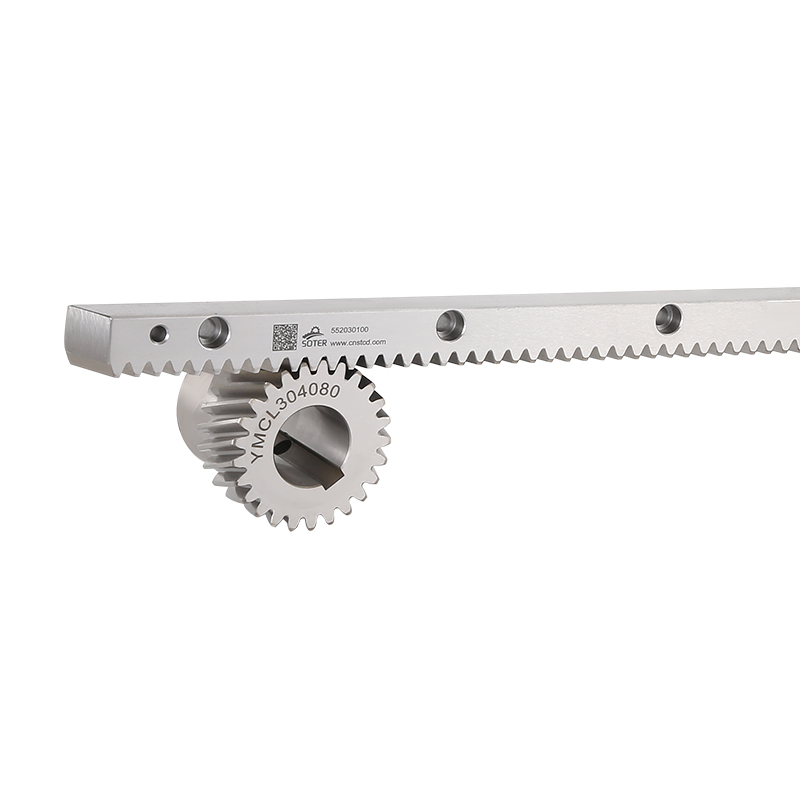
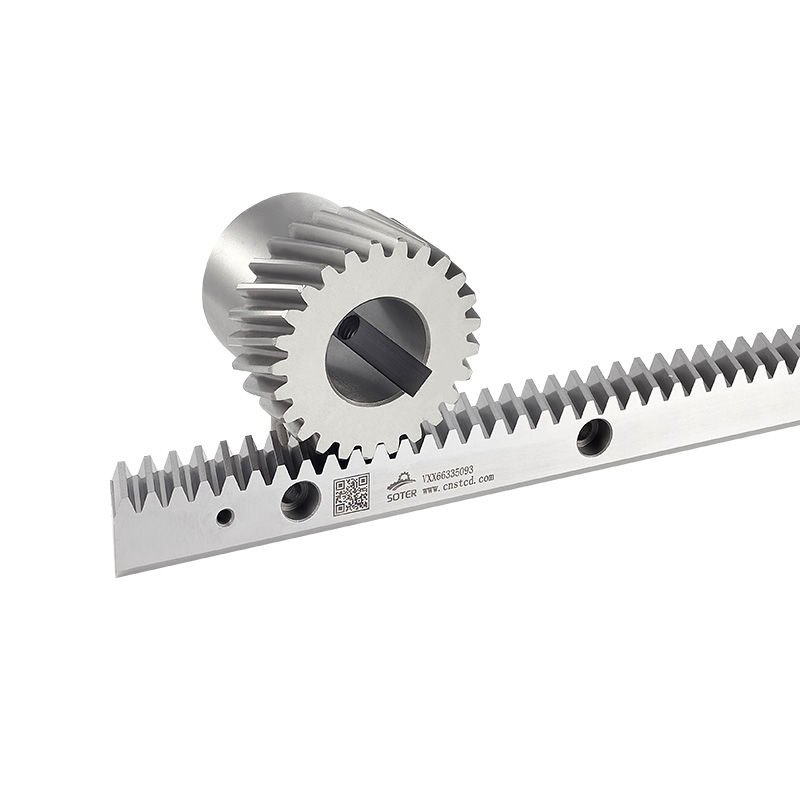
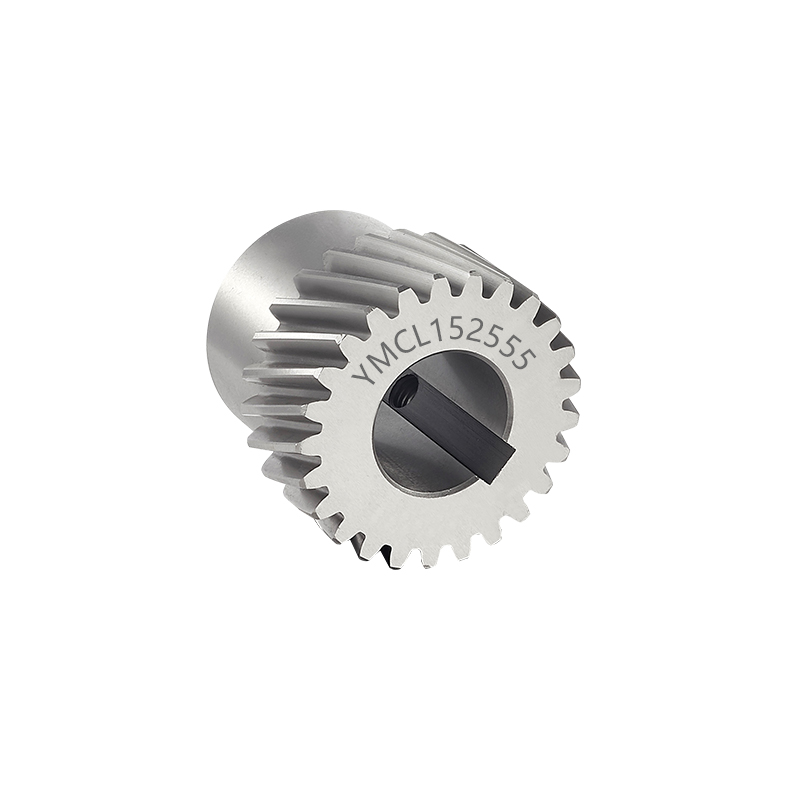
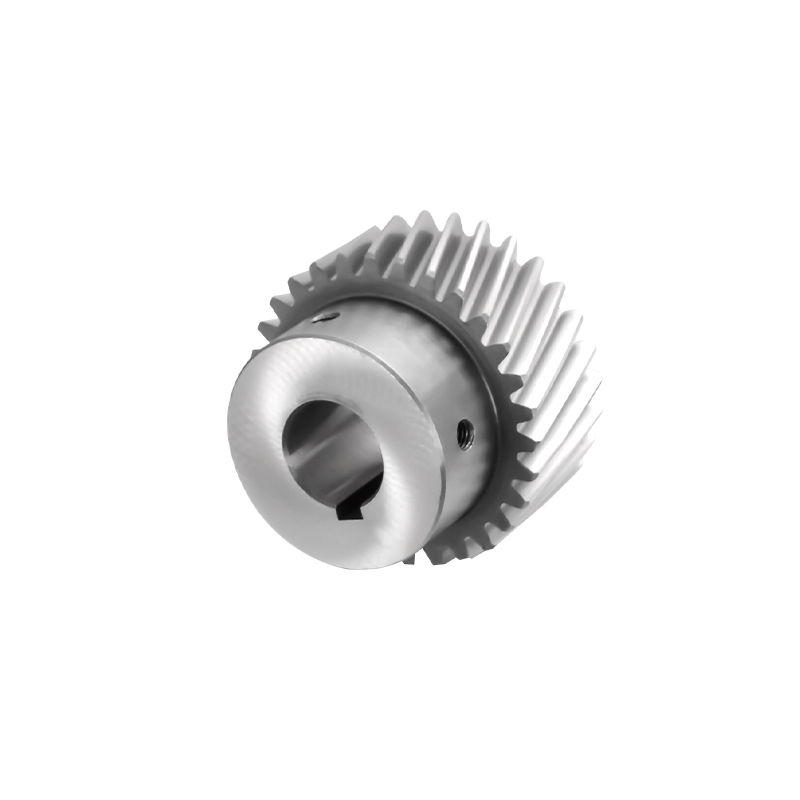
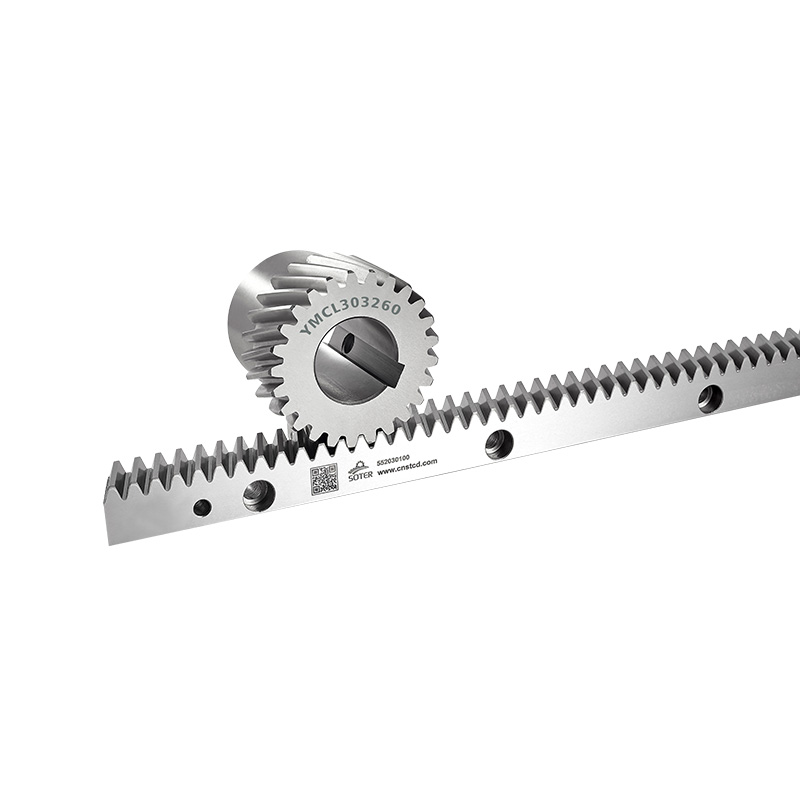
The basic idea is easy to understand. A rack has a row of teeth along its length. A pinion, which is a small gear, engages with these teeth. When the pinion turns, the rack moves in a straight direction. The arrangement can also work in reverse, with movement of the rack causing the pinion to rotate.
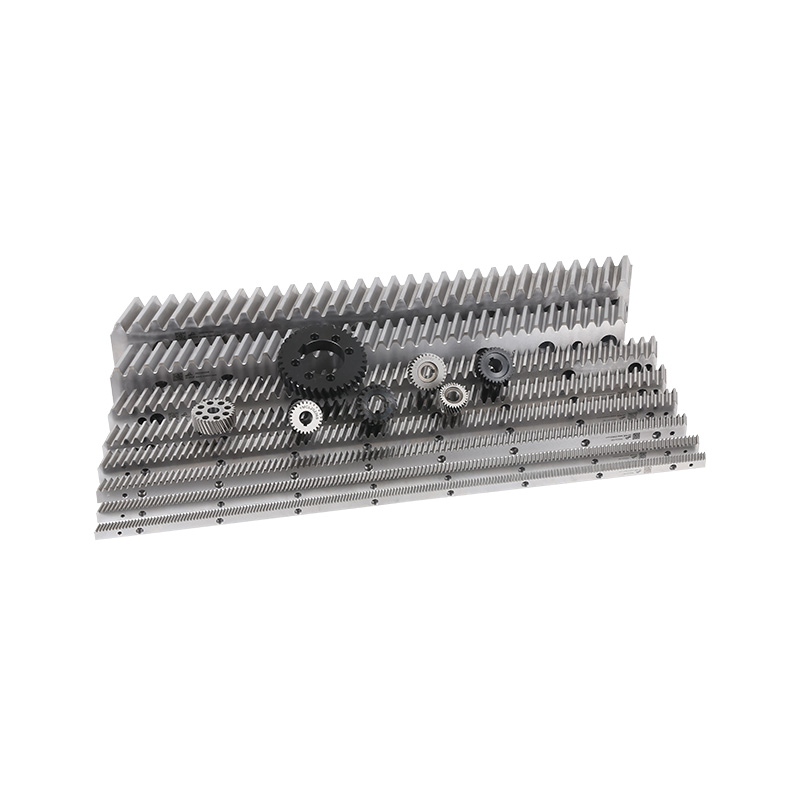
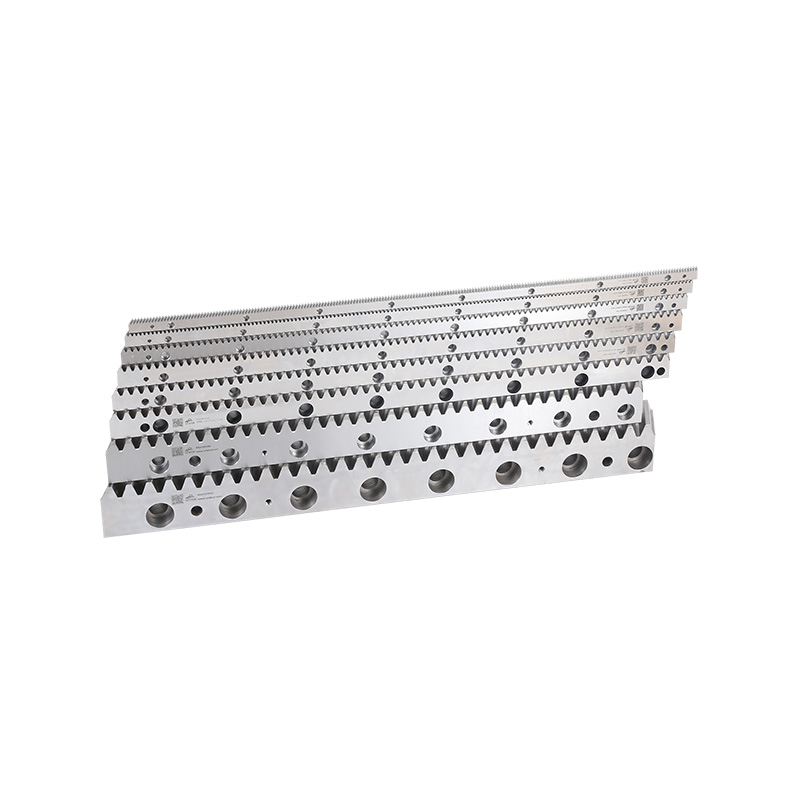
It is a rack whose teeth are formed through a milling process. This manufacturing approach gives the rack its characteristic tooth profile and allows manufacturers to produce racks for different machine applications.
The product itself is not limited to one industry. Itcan be found in machinery, automation equipment, CNC-related systems, material handling equipment, access mechanisms, and other applications where rotary and linear movement need to work together.
A rack is a straight mechanical component with a series of teeth formed along its length. It works with a matching pinion to create linear movement.
Unlike a simple bar, the toothed surface allows the rack to interact directly with a rotating gear. As the pinion rotates, its teeth engage with the rack teeth. The rack then travels in a straight line.

The term "milled" describes how the teeth are produced. Milling uses a cutting process to form the desired tooth shape on the rack. The method can be used for different rack designs according to the intended application.
This makes the milled rack more than a basic toothed strip. Its shape, tooth arrangement, length, and overall construction can all be considered during product development.
The rack and pinion principle itself is not complicated. Its usefulness comes from how easily it can be integrated into machinery.
For example, a rotary motor can be connected to a pinion. When the motor turns, the pinion moves the rack. The result is straight movement along the rack.
This simple relationship gives rack systems a place in many types of equipment.
The rack and pinion work as a pair.
The pinion is the rotating part. The rack is the linear part. When their teeth engage, the circular movement of the pinion is transferred into movement along the rack.
Think about a small gear moving along a straight toothed rail. Each turn of the gear pushes the rail forward or backward. The direction depends on the direction of rotation.
This arrangement can be useful when a machine needs to move something in a straight line without using a long rotating screw or another type of drive arrangement.
The rack can be positioned horizontally, vertically, or in another suitable direction. This allows designers to use rack systems in different machine layouts.
The relationship between the rack and pinion also means that both components need to be considered together. The teeth need to work as a matching pair. The overall design needs to suit the movement expected from the machine.
For this reason, selecting a rack is not simply about finding a toothed bar that looks suitable. The rack needs to fit the rest of the movement system.
The manufacturing process influences the shape and consistency of the finished rack. Milling provides a practical way to form the teeth along a metal rack.
During production, cutting tools remove material to create the desired tooth profile. The process can be adapted to different rack designs and production requirements.
For manufacturers, this provides flexibility when developing racks for different applications.
Milling can also support the production of racks with clearly defined tooth forms. This matters because the rack needs to engage properly with its matching pinion.
The manufacturing method is therefore connected with how the finished product is expected to work.
It is useful to distinguish the production method from the application itself. It is not defined only by where it is used. The term also tells us something about how its teeth are produced.
Different manufacturing approaches may be selected for different product requirements. It remain useful because the process can support a broad range of industrial rack designs.
This makes them relevant to equipment manufacturers that need linear movement components for different machine concepts.
It can be found in a wide range of machinery where controlled linear movement is needed.
Common applications include:
| Application Area | Typical Role of a Milled Rack |
|---|---|
| CNC equipment | Supports linear movement of machine components |
| Automation machinery | Helps create controlled movement along a machine axis |
| Material handling | Supports movement of equipment or loads |
| Industrial machinery | Connects rotary drive with linear movement |
| Access mechanisms | Helps move doors, gates, or similar structures |
| Positioning equipment | Supports movement between different positions |
| Production equipment | Provides a mechanical path for linear travel |
The exact design varies according to the machine.
In CNC-related equipment, for example, a rack can help move a working component along a straight path. In automation equipment, the same basic principle may be used to position a moving section of the machine.
Material handling systems can also use rack and pinion arrangements when equipment needs to move along a defined path.
The wide range of applications comes from the basic function of the rack. Wherever rotary movement needs to become linear movement, a rack and pinion arrangement may be considered.
CNC equipment is one area where rack and pinion systems can play an important role.
Many machines need a working component to travel across a defined path. A motor can provide rotary movement, while a rack and pinion arrangement converts that movement into straight travel.
It can be installed along the movement path. The pinion engages with the rack while the drive system rotates it.
This arrangement can be useful for machine layouts that require movement over a relatively long working area. The rack provides a continuous toothed path along which the driven component can travel.
The design of the rack needs to match the machine's movement requirements. The relationship between the rack, pinion, drive system, and moving structure all matters.
This is why machine builders usually consider the complete movement arrangement rather than choosing the rack as an isolated component.
CNC applications also demonstrate why rack design can influence the way a machine is built. A rack can become part of the machine's overall movement structure rather than simply being an added component.
As CNC equipment continues to serve different manufacturing tasks, rack and pinion systems remain one option for creating linear movement.
Automation equipment often needs repeatable movement between different positions.
A rack and pinion system can provide a straightforward way to create this movement. The rotating pinion moves along the fixed rack, or the rack moves while the pinion remains part of the driven assembly.
This arrangement can be adapted to different machine structures.
For example, an automated system may need to move a component from one area to another. The rack can provide the path, while the pinion supplies the movement.
This principle can be applied to production equipment, positioning systems, and material handling machinery.
The attraction of a rack system comes from its relatively direct operating principle. There are fewer conceptual steps between rotation and linear movement. This can make it easier for machine designers to understand how the movement is being created.
However, every application has its own requirements. A rack that works well in one machine may not suit another. The working environment, movement pattern, machine layout, and interaction with other components all need consideration.It therefore remain application-driven products.
Material handling equipment often involves moving objects from one position to another. The movement may take place along a defined path.
A rack and pinion system can provide a mechanical connection between a drive source and the moving structure.
In some equipment, the rack remains fixed while the pinion travels along it. In other arrangements, the pinion remains in place while the rack moves.
This flexibility allows designers to adapt the basic principle to different machine layouts.
Material handling systems can vary widely. Some operate inside production areas. Others are designed around storage, transfer, or positioning tasks.
The rack itself does not determine the entire system. It forms one part of the movement mechanism.
This is an important point for buyers and equipment builders. It should be viewed as part of a larger mechanical arrangement. Its usefulness depends on how well it works with the other components around it.
The ability to create straight movement gives rack systems a place in many material handling concepts.
Choosing a milled rack should begin with the intended application.
Several basic questions can help narrow down the options:
What needs to move?
The moving component influences the overall rack arrangement.
Which direction will the movement take?
Horizontal, vertical, and other layouts can create different design considerations.
How will the rack interact with the pinion?
The two parts need to be compatible as a working pair.
What type of environment will the rack operate in?
Dust, moisture, debris, and other conditions can affect how a mechanical component should be selected and maintained.
Will the rack be used in a custom machine?
Custom equipment may require a rack design that fits a particular layout.
How will the rack be installed and maintained?
Access to the component can influence the practical design of the machine.
These questions can help buyers communicate their needs more clearly with manufacturers and suppliers.
It is also useful to consider the rack as part of the complete movement system. Looking only at the rack without considering the pinion and surrounding equipment can lead to an incomplete product selection.
The continuing interest in automation is creating more situations where machines need controlled linear movement.
As equipment becomes more flexible, designers may need movement systems that can fit different machine layouts. Rack and pinion arrangements can provide one possible solution.
It can be adapted to different applications, which keeps them relevant to equipment manufacturers working on new machine concepts.
Their role may also extend beyond traditional industrial machinery. Automated access systems, positioning equipment, handling machinery, and other mechanical products can all require a way to transform rotary movement into straight travel.
The wider trend is not simply about using more racks. It is about finding practical ways to connect motors, gears, moving structures, and machine frames.
In that context, the milled rack remains a straightforward component with a broad range of possible uses. Its value comes from the relationship between its toothed surface and the moving pinion, allowing a rotating drive to become useful linear movement in different types of equipment.
Share:

If you have cooperation intention, please leave a message for us or use the following ways to contact us.We will reply to you as soon as possible and provide you with more sincere service, thank you.
Production
QR Code
Call Us :
+86-13758631128
E-mail :
sttc@cnstcd.com
Add :
31 piazza road, ruoheng town, wenling city, taizhou city, zhejiang province, China.
Copyright © by Zhejiang Soter Transmission Technology Co., Ltd. Rights Reserved.

China Rack And Pinion For Sale

 English
 中文简体
中文简体
 Español
 русский