Oct 09, 2026
Rack and pinion systems are used in many types of machinery. They connect rotary movement with linear movement in a simple mechanical arrangement. This makes them useful when a machine needs controlled movement along a straight path.
Behind these systems are manufacturers that produce more than a single gear component.
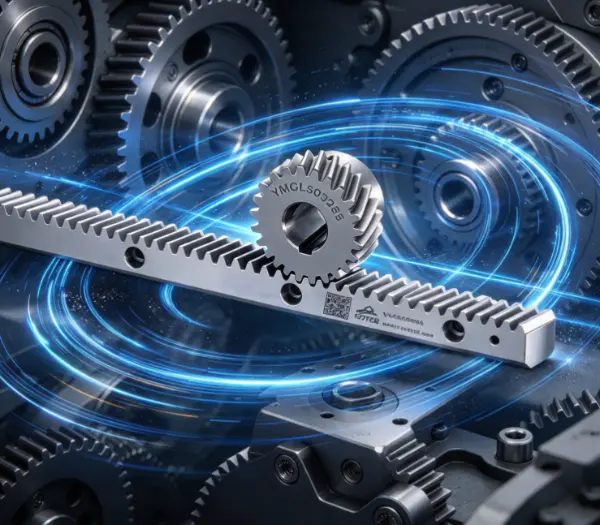
A Rack and Pinion Manufacturer may produce racks, pinions, complete gear sets, customized components, and related mechanical parts. The exact product range depends on the manufacturer's production capability and the needs of its customers.
For buyers, understanding this product range can make sourcing easier. A machine builder may need a standard rack and pinion set. Another customer may need a customized component for a particular machine design. Maintenance teams may need replacement parts that match an existing system.
The manufacturer sits at the production side of these different requirements. Its work can involve material preparation, machining, tooth formation, inspection, finishing, packaging, and order support.
The product itself may look relatively simple. The manufacturing process behind it can involve many connected steps.
The main products are rack gears and pinion gears.
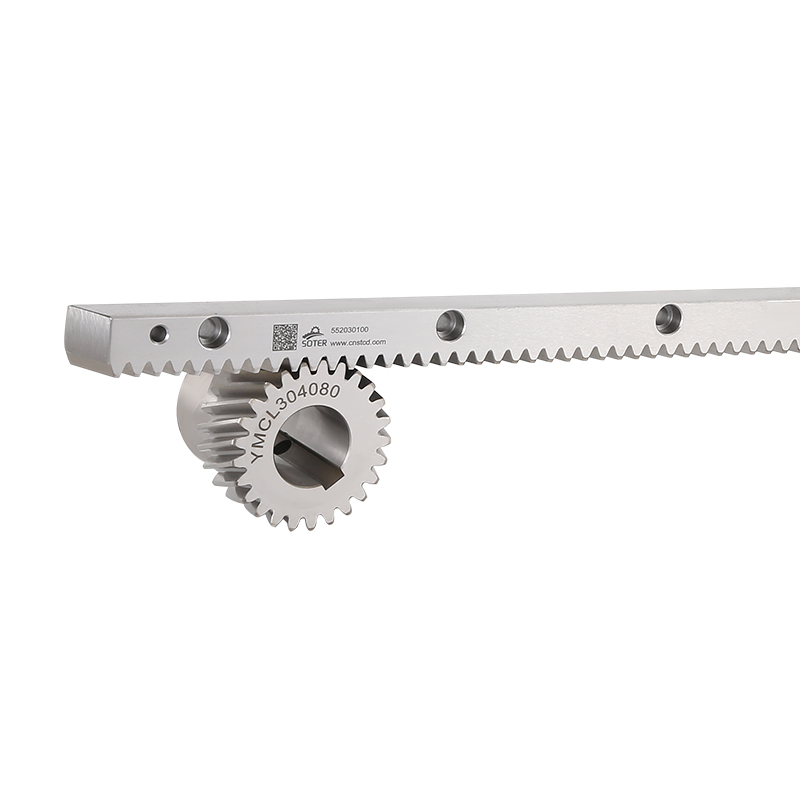
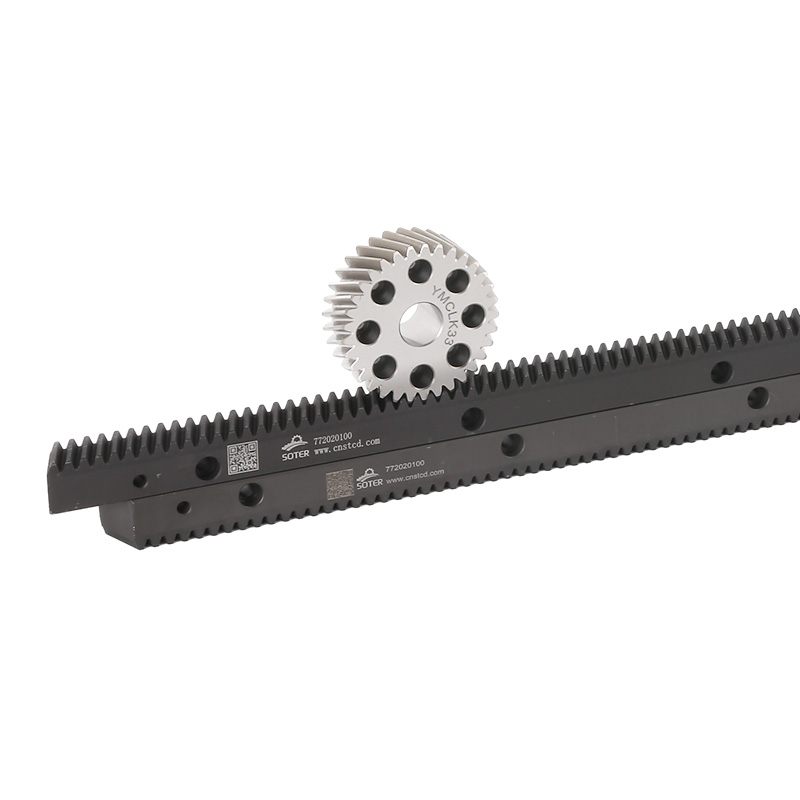
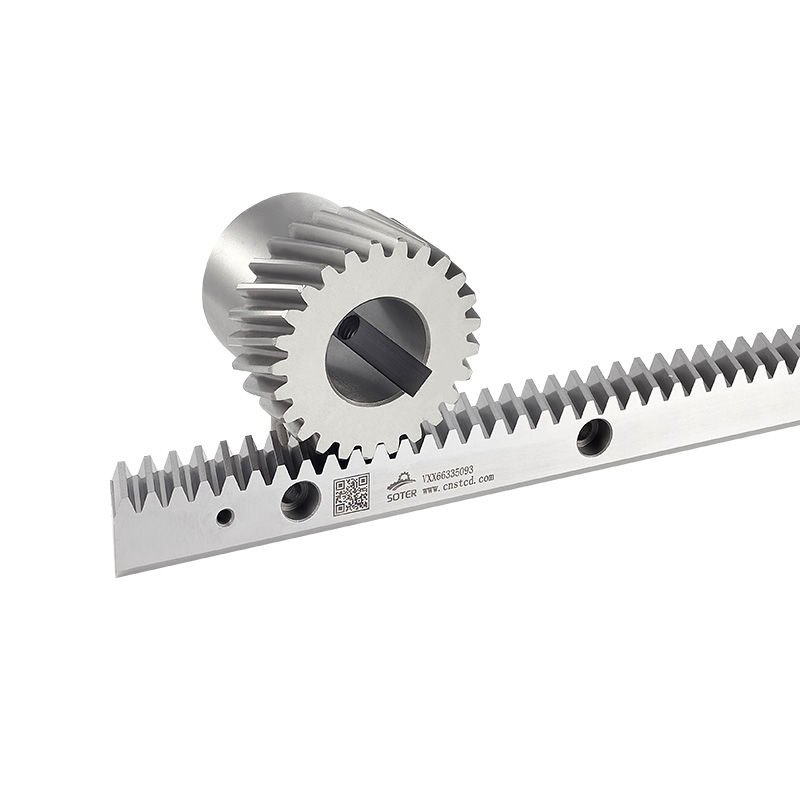
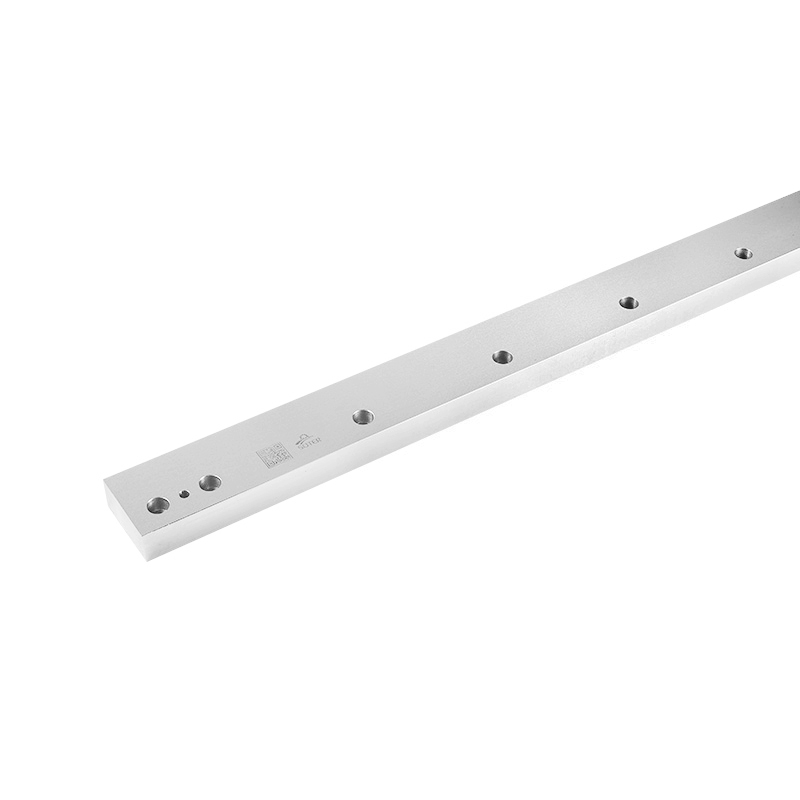
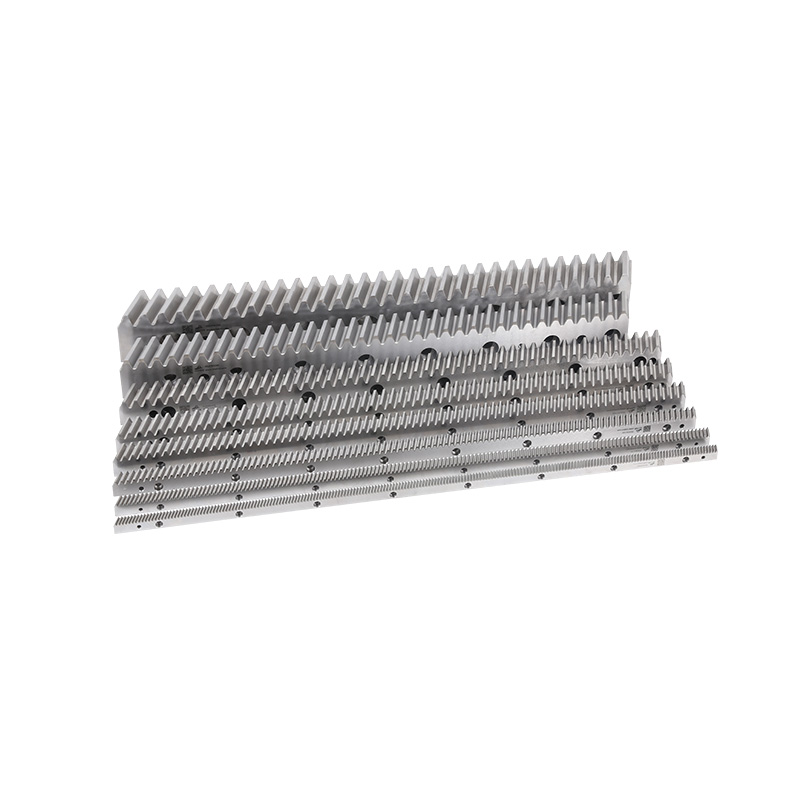
A rack is a straight gear component. Its teeth run along a straight body. A pinion is a round gear that works with the rack. When the pinion rotates, the rack can move along a straight path.
This basic relationship allows the same product category to be used in many machines.
A manufacturer may offer individual racks and pinions or supply them as matching sets. The choice depends on how the buyer plans to use the components.
| Product Type | Typical Role |
|---|---|
| Rack gear | Provides a straight path for mechanical movement |
| Pinion gear | Transfers rotary movement to the rack |
| Rack and pinion set | Provides a matched movement system |
| Custom rack | Made for a specific machine or application |
| Custom pinion | Designed to work with a particular rack or system |
| Replacement gear | Used to replace an existing component |
Some manufacturers also provide related gear products. These may be produced for specific machine structures or integrated into a wider mechanical system.
The important point is that a Rack and Pinion Manufacturer does not necessarily produce only one standard product.
Its product range can be organized around different machine requirements.
Rack gears begin with a suitable material prepared for the intended product.
The material is shaped into the required rack form. The teeth are then created along the working surface. Other production steps may be used to prepare the component for its intended mechanical application.
The shape of the rack is important because it needs to fit the machine structure around it.
A rack may be installed along a guide, frame, platform, or other machine section. Its position affects how it works with the pinion.
Manufacturing therefore involves more than creating teeth.
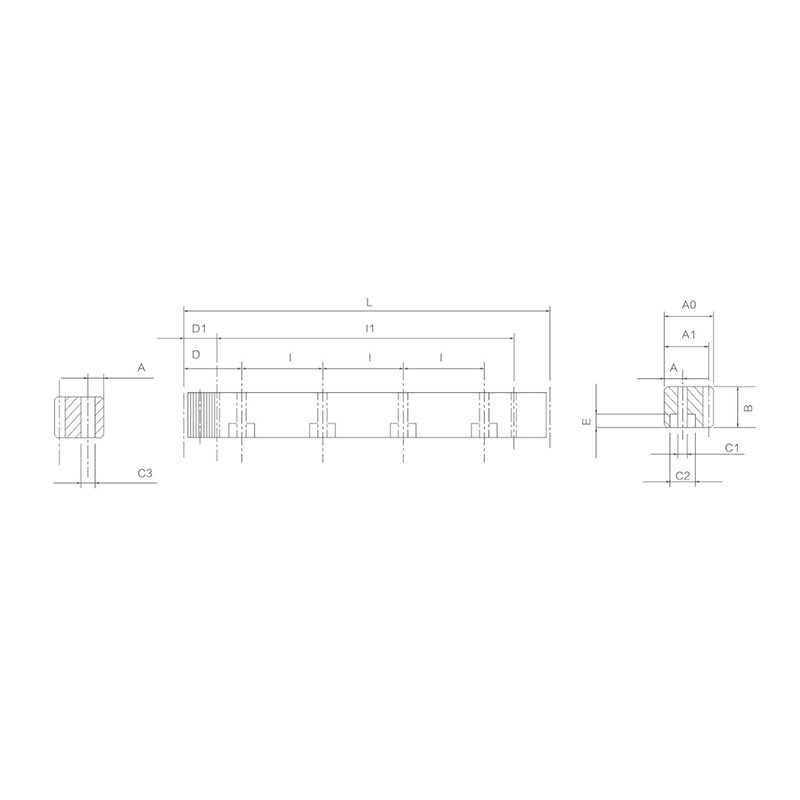
The manufacturer also needs to consider the overall shape of the component. The rack may need mounting areas, supporting surfaces, connection features, or other structural details.
Different customers may request different designs.
A machine builder may already have a detailed drawing. Another buyer may provide information about the intended application and ask the manufacturer to help develop the component.
This is where production experience becomes useful.
The manufacturer needs to turn the buyer's requirements into a physical product that can fit the intended machine.
Surface treatment and finishing may also form part of the manufacturing process. These steps can help prepare the rack for handling, storage, and use.
The final product is then checked before it is packed for shipment.
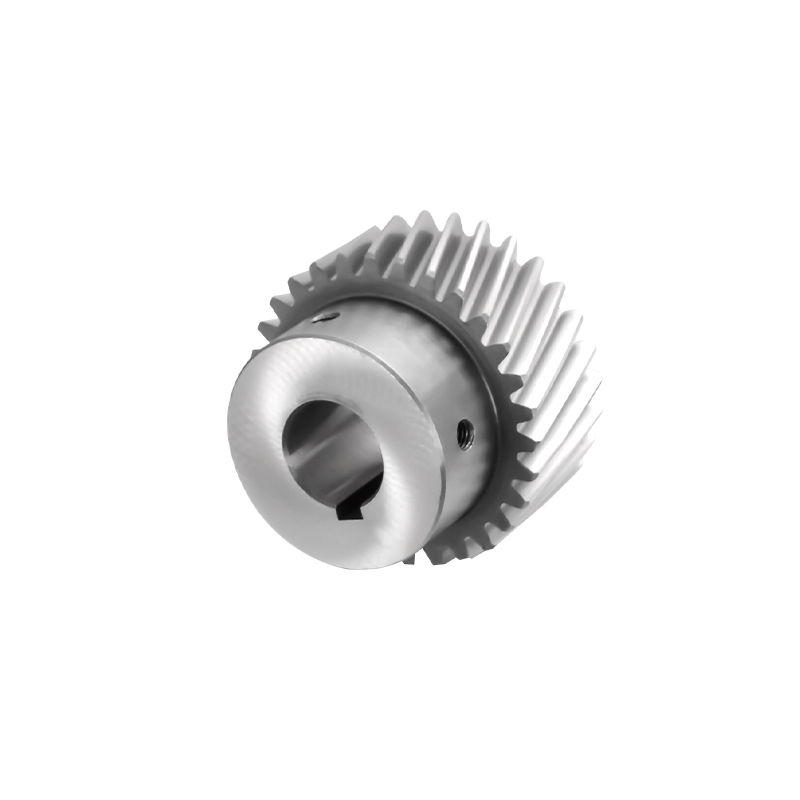
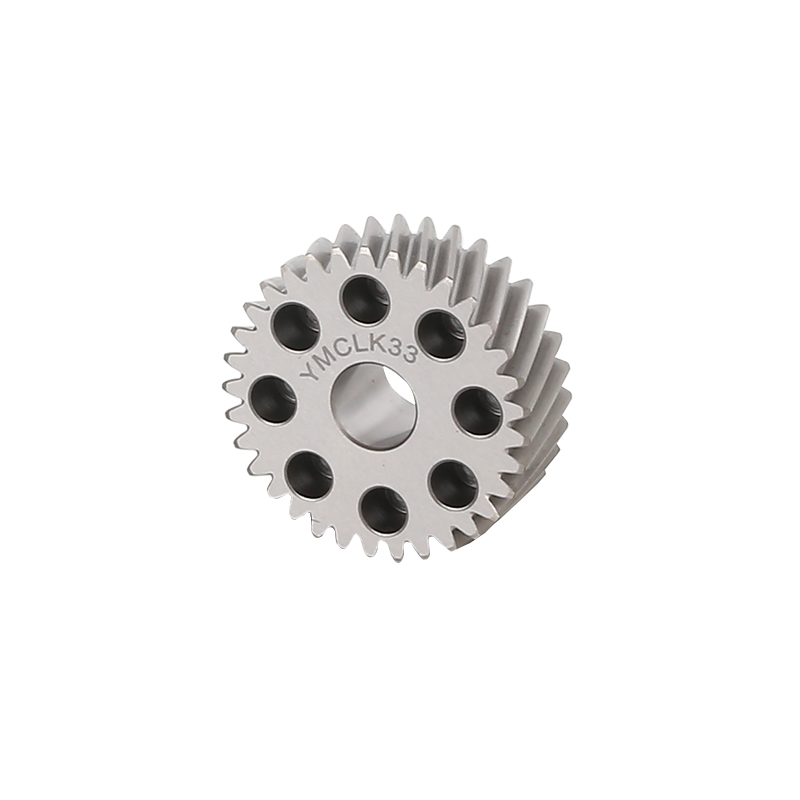
The pinion is the round gear that works with the rack.
Its role is closely connected to the rack design. The two parts need to work together as a set.
A manufacturer may produce pinions as individual components or as part of a complete rack and pinion order.
The production process can include shaping the gear body and forming the teeth around its working surface. Other features may also be included depending on the machine design.
Pinions can be used in different mechanical systems. Some are part of automated machinery. Others are used in equipment that needs controlled positioning or movement.
This creates different production requirements.
A manufacturer may need to produce pinions for new machines. It may also supply replacement pinions for existing equipment.
Replacement work can be particularly important for maintenance buyers.
When a component in an existing machine needs to be replaced, the new part needs to fit the current system. The buyer may therefore provide an existing component, drawing, sample, or other product information.
The manufacturer can then review the requirement and determine how the replacement should be produced.
This makes pinion production closely connected to both new equipment manufacturing and machinery maintenance.
Customization is an important part of the rack and pinion market.
Not every machine uses the same component design. Machine structures can vary from one application to another. Space, mounting arrangements, movement direction, and equipment layout can all affect the required product.
A Rack and Pinion Manufacturer may therefore produce components based on customer drawings or application requirements.
Customization can involve different parts of the product.
| Customization Area | Possible Requirement |
|---|---|
| Rack shape | Adapted to a particular machine structure |
| Pinion design | Matched with a specific rack or drive arrangement |
| Mounting features | Designed for a particular installation |
| Product length | Prepared for a specific machine layout |
| Tooth arrangement | Selected according to the intended gear system |
| Surface finish | Prepared according to the application |
The actual customization options depend on the manufacturer.
Communication is important during this process. Buyers need to provide clear information about the intended use and machine structure.
A manufacturer may also ask for drawings or samples when the product is intended to replace an existing component.
Custom production can support both original equipment projects and modification work.
For machine builders, this can make it easier to integrate rack and pinion components into a new design. For maintenance teams, it can provide another route when an existing component is difficult to source.
Many buyers do not want to purchase a rack and pinion separately.
They may prefer a matched set.
A complete rack and pinion set can make purchasing more straightforward. The buyer receives components intended to work together rather than sourcing each part from different suppliers.
This can be useful for equipment manufacturers.
When a machine contains several moving sections, the engineering and purchasing teams may prefer to manage the related components through one production source.
A manufacturer may supply the rack and pinion as a coordinated product set.
Packaging can also be organized so that the related parts remain easy to identify.
Matched production can help simplify communication.
Instead of discussing the rack and pinion as completely separate products, the buyer can provide the requirements for the movement system as a whole.
The manufacturer can then consider how the two components need to work together.
This approach is particularly relevant for customized orders.
A custom rack may need to be produced together with a matching pinion.
Producing both components as part of one order can help maintain consistency between the two parts.
The exact supply arrangement still depends on the buyer's requirements and the manufacturer's capabilities.
The product range can extend beyond the two main components.
Some manufacturers also produce related gears or mechanical components that are used alongside rack and pinion systems.
These products may support different machine functions. They can also be developed for customers that need several types of mechanical parts from one manufacturing source.
This is useful for B2B buyers managing complex equipment projects.
A buyer may need rack gears for one section of a machine and other gear components for another section. Working with a manufacturer that handles multiple related products can simplify communication.
However, product range should not be judged only by the number of items offered.
The more important question is whether the manufacturer can produce the components required for the buyer's actual application.
A wide catalog does not automatically mean that every product is suitable for every machine.
Buyers should discuss the application before placing an order. This helps both sides understand the product requirements.
The manufacturer can explain which components it produces and whether the requested design can be supported.
Rack and pinion products can be found in different types of machinery.
They are commonly associated with equipment that needs controlled linear movement. The rotary movement of the pinion is transferred to the rack, creating movement along a straight path.
This principle can be used in automated machinery, industrial equipment, positioning systems, machine tools, access systems, and other mechanical applications.
The actual product design can vary with the application.
For example, an automated machine may need a rack and pinion arrangement for moving a working part. Another machine may use the same basic principle for positioning a platform or equipment section.
This means manufacturers need to understand the application rather than treating every order in the same way.
| Application Area | Possible Use |
|---|---|
| Automated machinery | Controlled movement of machine sections |
| Industrial equipment | Movement and positioning |
| Machine tools | Linear movement within equipment |
| Access systems | Opening or positioning mechanisms |
| Material handling equipment | Movement of machine parts |
| Maintenance projects | Replacement of existing gear components |
The same basic product category can therefore serve different industries.
This variety also explains why manufacturers may offer both standard and customized products.
Product selection should begin with the machine application.
Buyers need to understand what the rack and pinion will do inside the equipment. This provides a clearer starting point for communication with the manufacturer.
Several practical questions can help.
The answers can help buyers understand how closely the manufacturer's production capabilities match their project.
For B2B sourcing, the relationship often goes beyond purchasing a single gear.
A machine builder may return for repeat orders. A distributor may need several product types. A maintenance company may require replacement components over time.
A Rack and Pinion Manufacturer that understands these different requirements can become part of a broader equipment supply process.
The manufacturer's role begins with producing the physical rack, pinion, or related component. It can also extend into customized production, matched gear sets, replacement parts, packaging, and ongoing communication with industrial buyers.
These activities connect manufacturing with the wider machinery supply chain and allow rack and pinion products to move from production facilities into the equipment where controlled mechanical movement is required.
Share:
Related Products

If you have cooperation intention, please leave a message for us or use the following ways to contact us.We will reply to you as soon as possible and provide you with more sincere service, thank you.
Production
QR Code
Call Us :
+86-13758631128
E-mail :
sttc@cnstcd.com
Add :
31 piazza road, ruoheng town, wenling city, taizhou city, zhejiang province, China.
Copyright © by Zhejiang Soter Transmission Technology Co., Ltd. Rights Reserved.

China Rack And Pinion For Sale

 English
 中文简体
中文简体
 Español
 русский