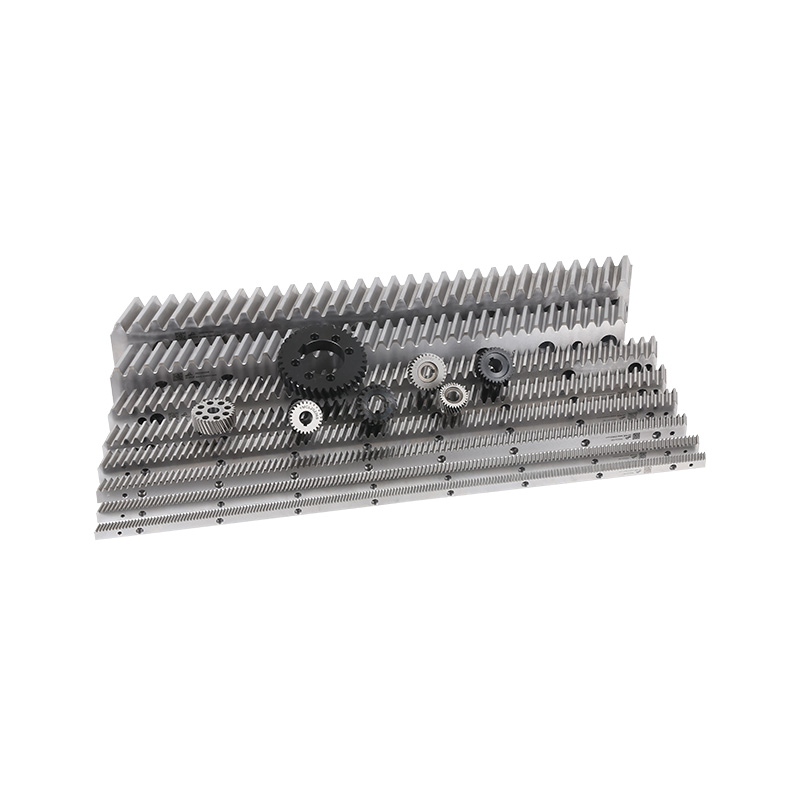
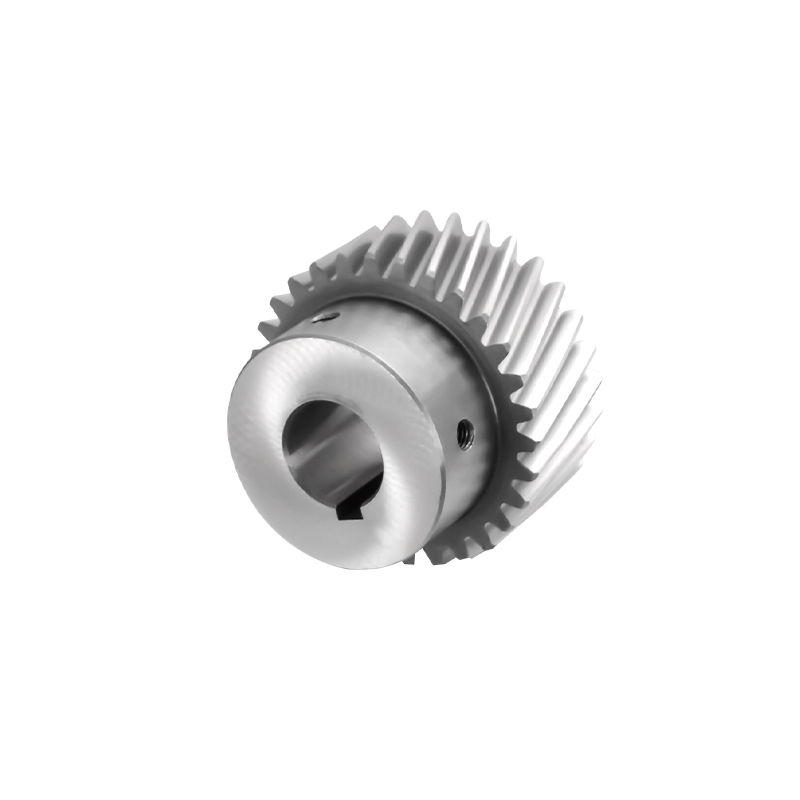
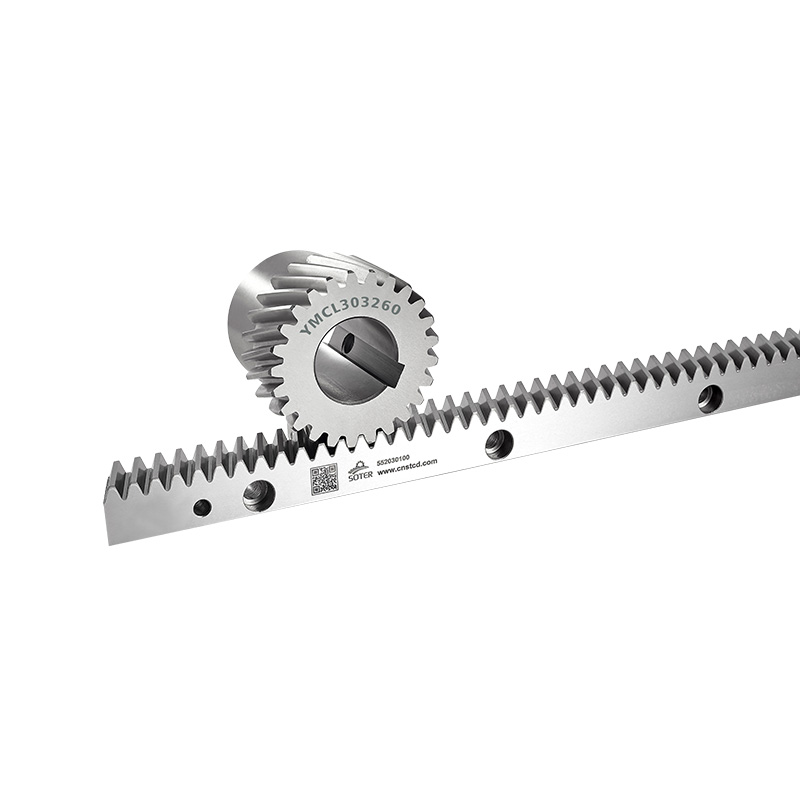
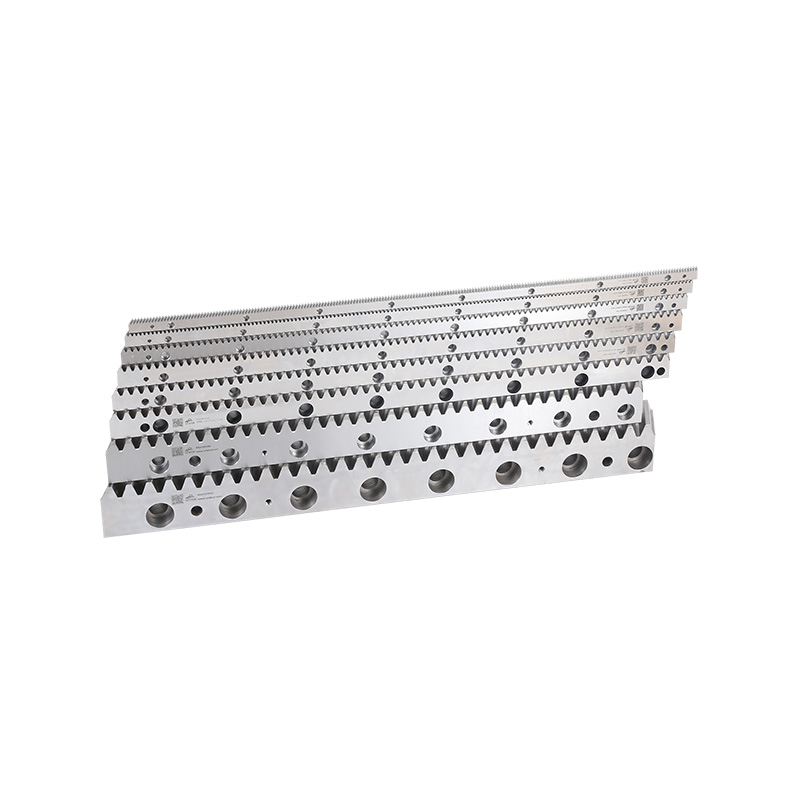
Introduction to Spur Gear Rack Surface Quality
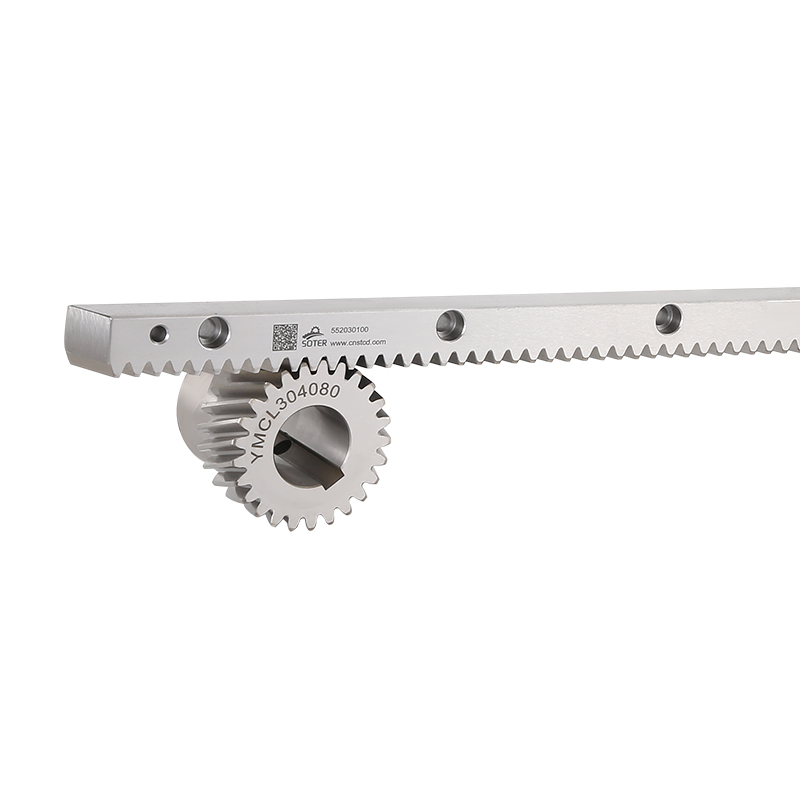
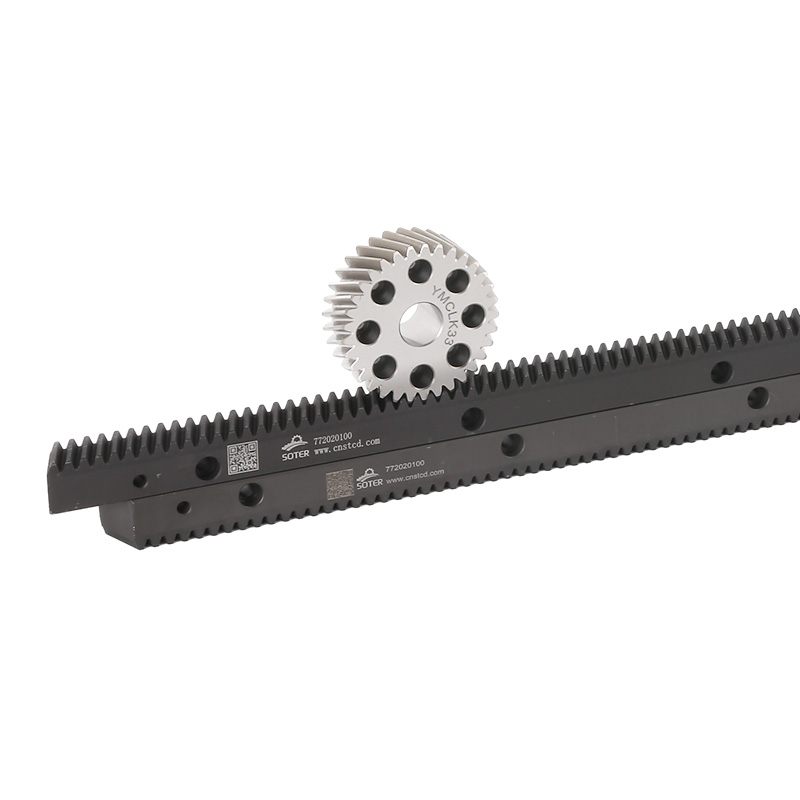
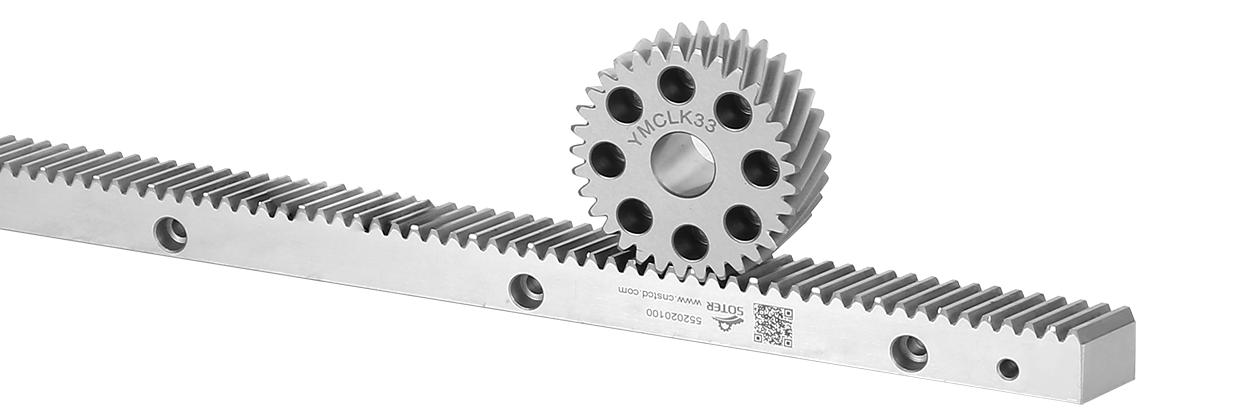
For any Spur Gear Rack Manufacturer, achieving the correct surface roughness is critical for suitable performance. Surface roughness affects meshing efficiency, wear resistance, and the overall lifespan of the rack. A high-quality surface ensures smooth engagement with the pinion and reduces friction, heat generation, and noise. Proper attention to surface finish is especially important in high-precision machinery, automation systems, and CNC applications.
Material Selection and Its Impact
- Steel Grades: The choice of steel significantly impacts surface finish. Alloy steels with a uniform grain structure are preferred for machining and grinding processes.
- Pre-Treated Materials: Heat-treated or hardened blanks may require specific machining strategies to maintain surface integrity. Pre-treatment reduces deformation but must be balanced with machinability.
- Surface Homogeneity: Selecting materials with consistent hardness and minimal inclusions reduces micro-scratches and surface irregularities during manufacturing.
Machining Processes for Smooth Surfaces
- Milling and Hobbing: Precision milling and hobbing create the basic tooth profile. Correct tool geometry and cutting parameters prevent chatter marks and maintain smooth surfaces.
- Grinding: Tooth surface grinding is a critical step in improving surface roughness. It refines the profile to exact dimensions while reducing peak-to-valley height on the teeth.
- Lapping and Polishing: For high-precision racks, lapping and polishing provide the final surface finish. This process reduces asperities, ensuring suitable contact with the pinion.
Controlling Surface Roughness Parameters
- Ra Values: Ra (average roughness) is a key measurement. Spur gear racks typically require Ra values between 0.4 µm and 1.6 µm, depending on the application.
- Rz and Rt Parameters: Peak-to-valley heights are also considered to prevent stress concentrations that may accelerate wear.
- Consistency Across Length: Uniform surface roughness along the rack length ensures smooth meshing and consistent load distribution.
Heat Treatment Considerations
- Hardening Effects: Induction hardening or carburization increases surface hardness but may induce minor warping. Controlled processes maintain surface smoothness post-treatment.
- Stress Relief: Pre- and post-treatment stress relief prevents distortion, which can affect the tooth profile and surface finish.
- Thermal Expansion: Temperature control during heat treatment prevents uneven expansion, reducing the risk of surface irregularities.
Lubrication and Coating
- Surface Lubrication: Proper lubrication during operation reduces friction and maintains surface integrity. Grease or oil coatings can smooth micro-asperities over time.
- Protective Coatings: Anti-corrosion coatings, phosphate layers, or thin polymer films protect the surface from wear and environmental damage.
- Application-Specific Coatings: In high-speed applications, low-friction coatings reduce wear and maintain surface roughness under heavy load.
Quality Control and Inspection
- Measurement Tools: Profilometers, surface roughness testers, and optical inspection systems measure Ra, Rz, and Rt values.
- Regular Monitoring: Manufacturers should conduct batch inspections to ensure consistency. Any deviation from target roughness can compromise performance.
- Corrective Actions: If roughness exceeds specifications, re-grinding, polishing, or selective replacement may be necessary to maintain quality standards.
Environmental and Handling Factors
- Clean Environment: Machining and finishing in a clean environment prevents contamination that may scratch or mar the surface.
- Proper Handling: Avoiding contact with hard surfaces and using protective packaging during storage and transport maintains surface integrity.
- Temperature and Humidity Control: Environmental stability prevents corrosion and subtle surface changes that could affect precision applications.
Achieving and maintaining the proper surface roughness of a Spur Gear Rack requires careful material selection, precise machining, controlled heat treatment, proper lubrication, and strict quality control. For a Spur Gear Rack Manufacturer, attention to these factors ensures smooth operation, reduced wear, and long service life. By focusing on surface finish from design to final inspection, manufacturers can deliver high-performance gear racks suitable for a wide range of mechanical and automation applications.



 English
 中文简体
中文简体
 Español
 русский