Introduction to Metal Rack And Pinion Wear
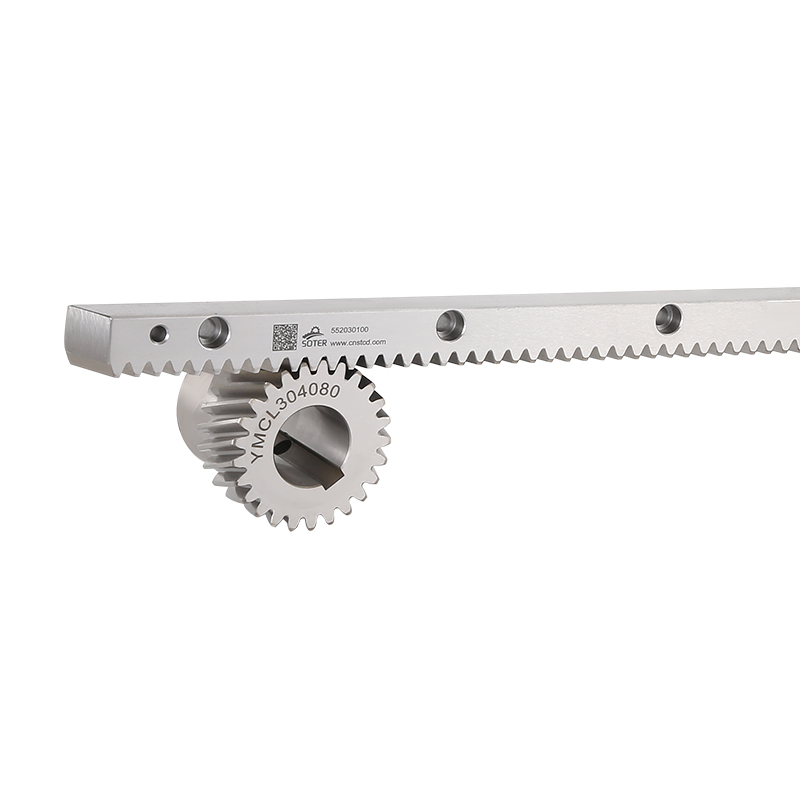
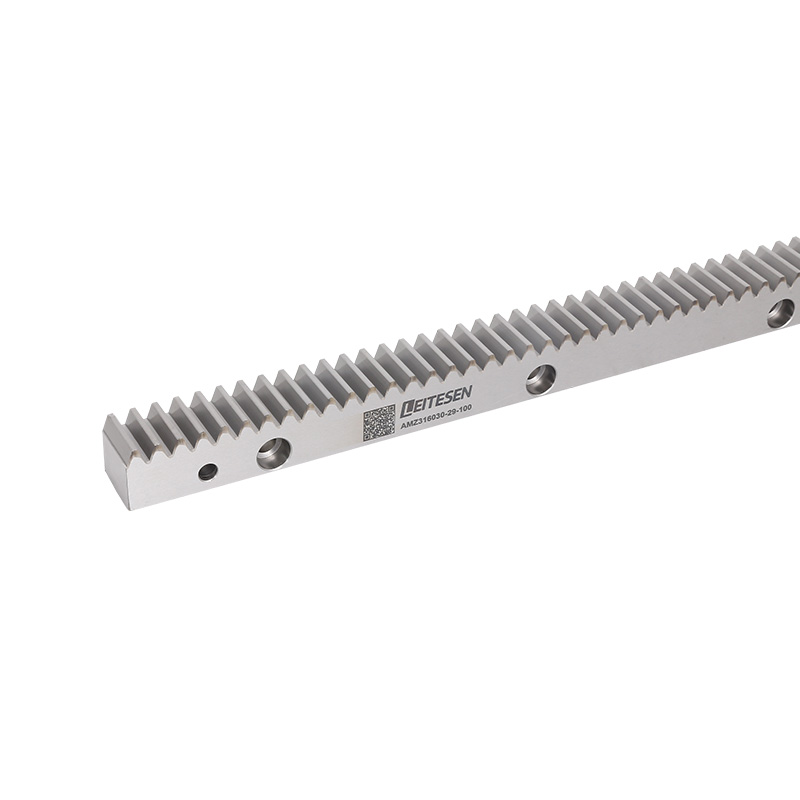
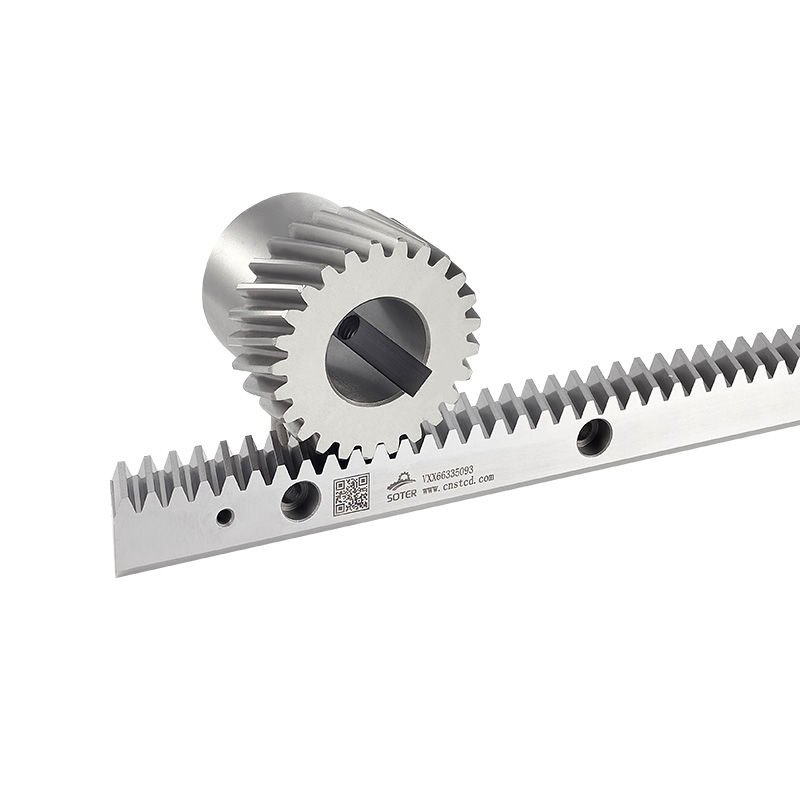
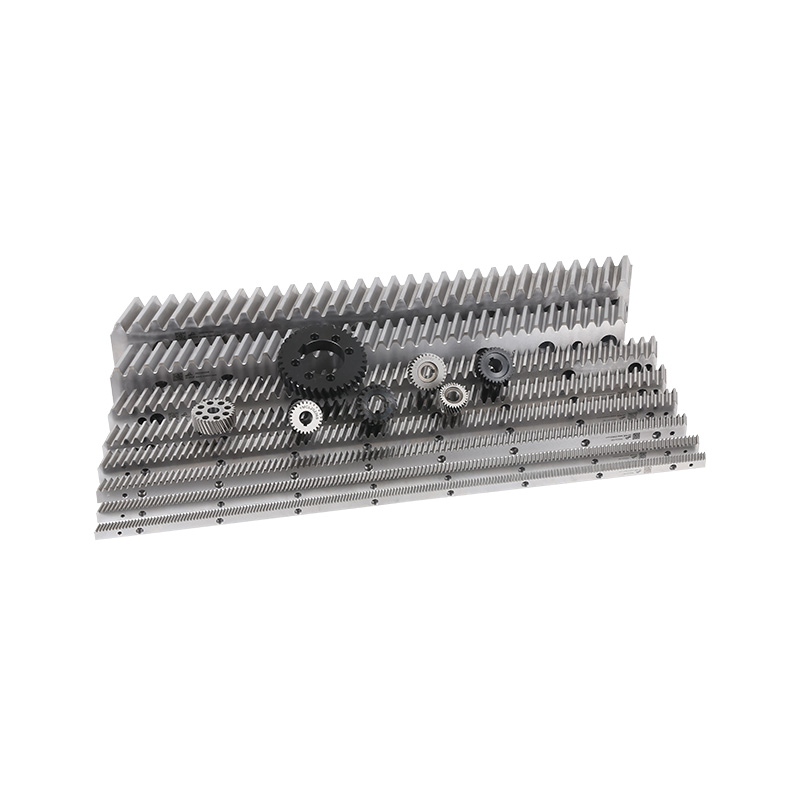
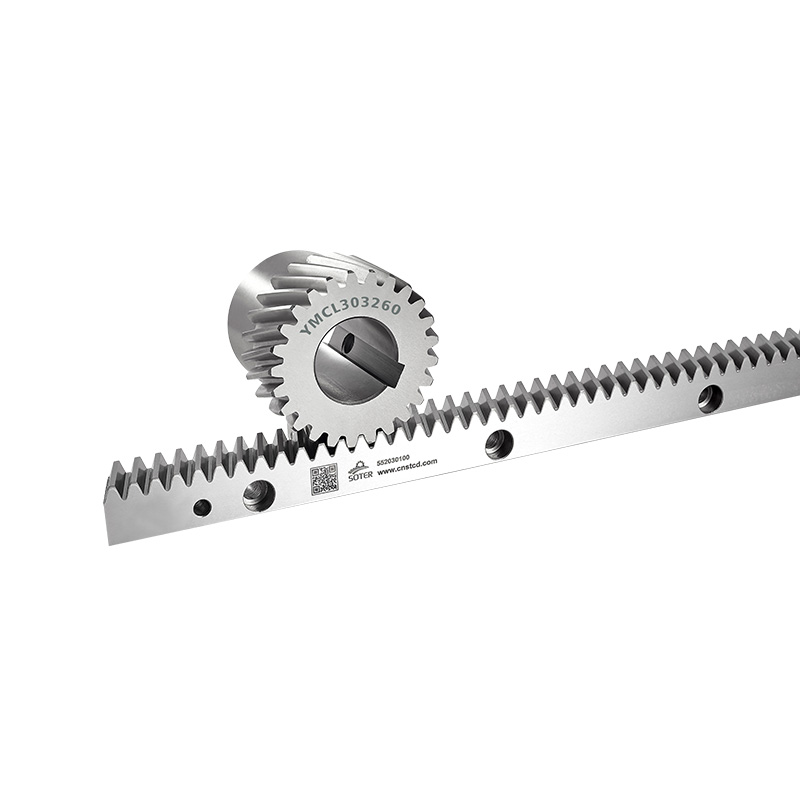
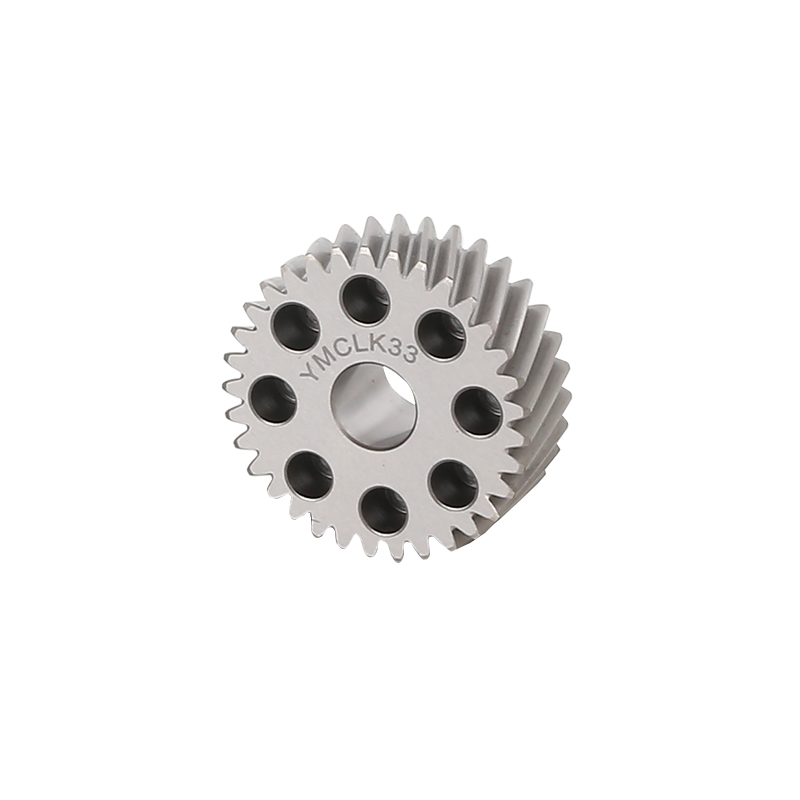
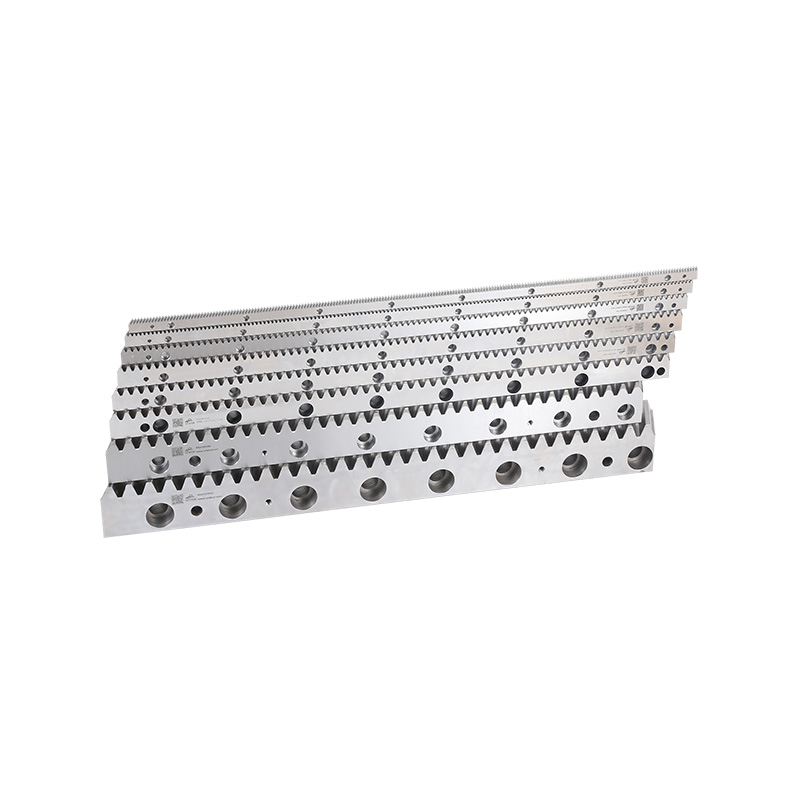
A Metal Rack And Pinion is a vital mechanical system used in steering mechanisms, automation equipment, and CNC machinery. Over time, repeated use and high load can cause wear on both the rack and pinion teeth. Worn components can result in inaccurate motion, increased backlash, noise, and reduced efficiency. Proper repair and maintenance are essential to restore performance and extend service life.
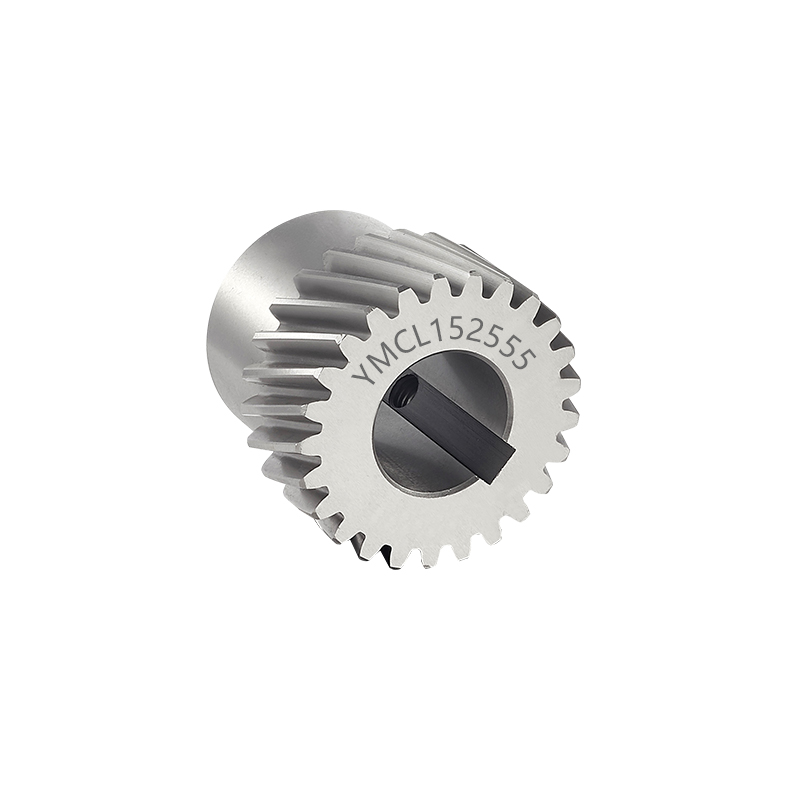
Identifying Wear and Damage
- Visual Inspection: Check for tooth surface pitting, scoring, or flattening, which indicates wear.
- Backlash Measurement: Excessive play between the pinion and rack signals that the teeth may be worn or misaligned.
- Noise Detection: Unusual grinding or clicking sounds during operation often point to worn surfaces.
- Lubrication Condition: Poor lubrication accelerates wear. Inspect the lubricant for metal particles or contamination.
Cleaning and Preparation
- Remove Debris: Clean the rack and pinion thoroughly to remove dirt, old grease, and metal shavings.
- Degreasing: Use industrial degreasers to eliminate oil residues, which can interfere with repair processes.
- Surface Inspection: After cleaning, perform a detailed inspection to determine the extent of wear and identify potential cracks or deformations.
Repair Techniques for Worn Teeth
- Grinding and Reprofiling: Minor wear can be corrected by grinding the teeth to restore the proper profile. Precision grinding ensures correct tooth contact and reduces backlash.
- Filing and Polishing: For localized damage, careful filing followed by polishing can smooth irregular surfaces. Avoid removing excessive material to prevent altering gear geometry.
- Welding and Material Build-Up: For deeper grooves or pitting, metal can be added through TIG or MIG welding, followed by machining to restore the original tooth profile.
- Replacement Inserts: Some racks and pinions allow the replacement of individual segments, which is a practical solution for heavily worn areas.
Alignment and Adjustment
- Pinion Alignment: Correct alignment between the rack and pinion is critical to ensure even load distribution and prevent further wear.
- Mounting Checks: Verify that the rack is securely mounted and that all supports are level. Uneven mounting can accelerate wear.
- Backlash Adjustment: After repair, adjust the gear mesh to reduce backlash while allowing smooth motion.
Lubrication and Protection
- High-Quality Lubricants: Use suitable greases or oils designed for metal rack and pinion systems. Proper lubrication reduces friction and wear.
- Lubrication Channels: Ensure that all lubrication grooves and channels are clear to allow consistent lubricant distribution.
- Protective Coatings: Anti-corrosion coatings can extend component life, especially in humid or corrosive environments.
Preventive Measures After Repair
- Regular Inspection: Periodically check tooth condition, alignment, and backlash to detect wear early.
- Load Management: Avoid overloading the system beyond its rated capacity, which accelerates wear.
- Operational Practices: Operate machinery at recommended speeds and maintain consistent lubrication schedules.
Replacement Considerations
- Assess Cost vs. Benefit: In some cases, wear may be extensive enough that full replacement of the rack or pinion is more cost-effective than repair.
- Manufacturer Recommendations: Follow specifications provided by the Metal Rack and Pinion manufacturer for tolerances and material limits.
- Upgraded Materials: Consider using hardened or coated replacements to improve wear resistance in high-load applications.
Repairing a worn Metal Rack And Pinion system requires careful inspection, cleaning, precise machining, and proper lubrication. Addressing wear promptly restores accuracy, reduces noise, and extends the lifespan of the system. Combining repair with preventive maintenance ensures suitable performance and reduces downtime in industrial and mechanical applications. A well-executed repair not only restores functionality but also safeguards the efficiency and reliability of the equipment over the long term.



 English
 中文简体
中文简体
 Español
 русский