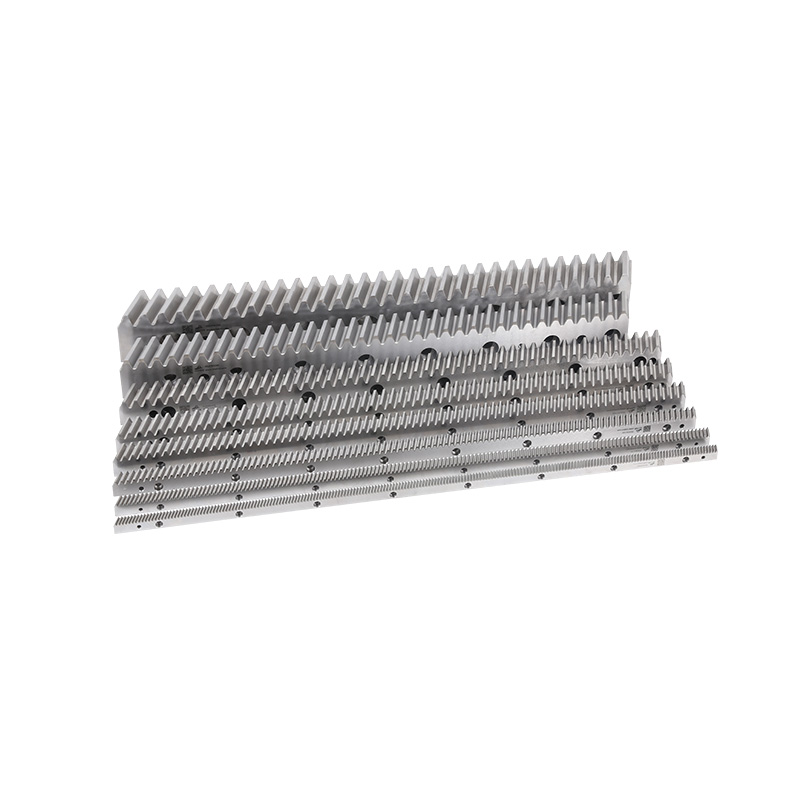
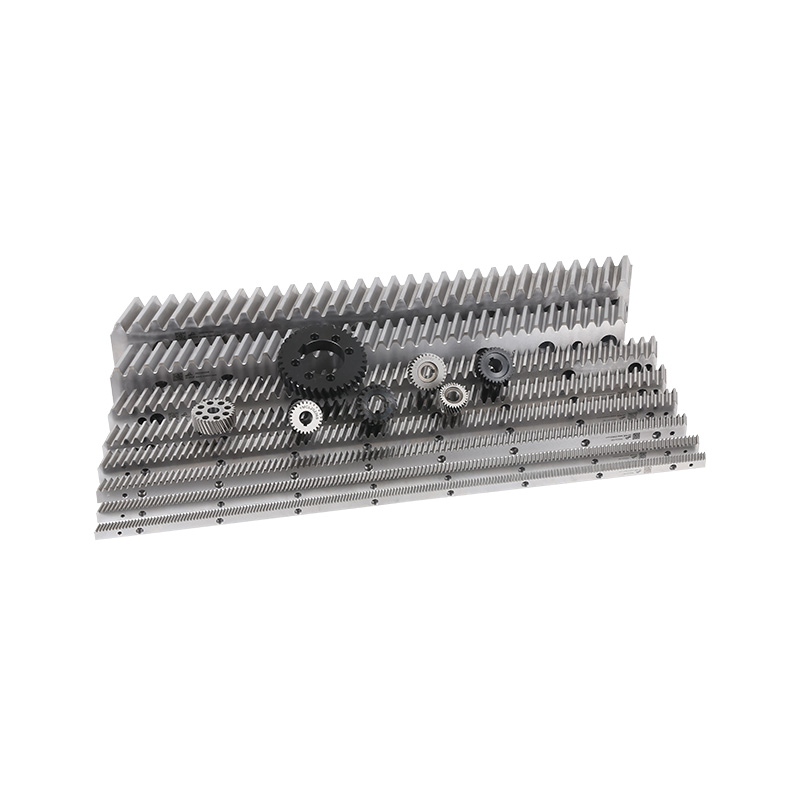
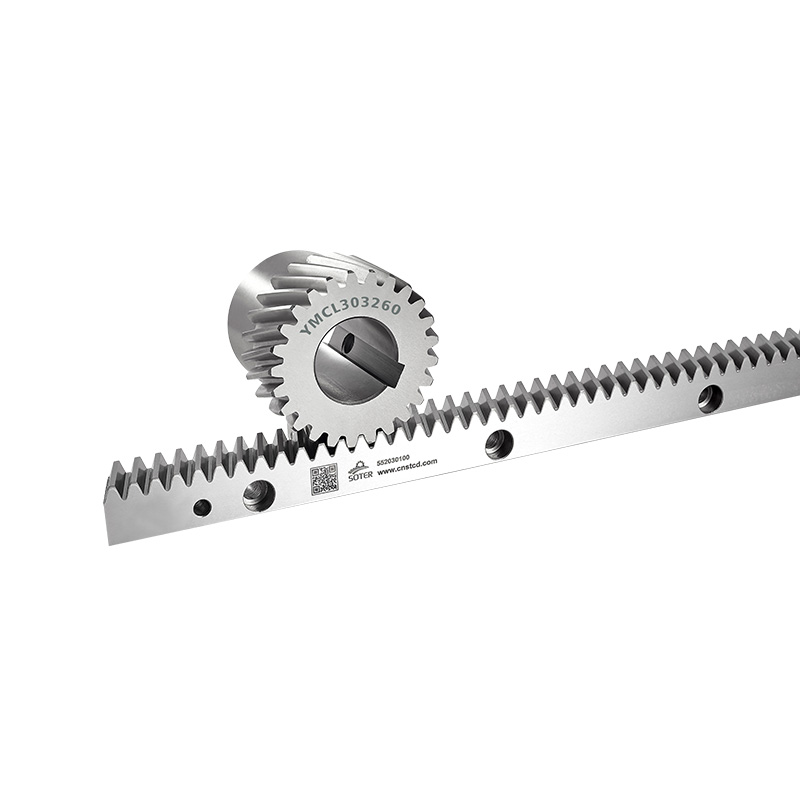
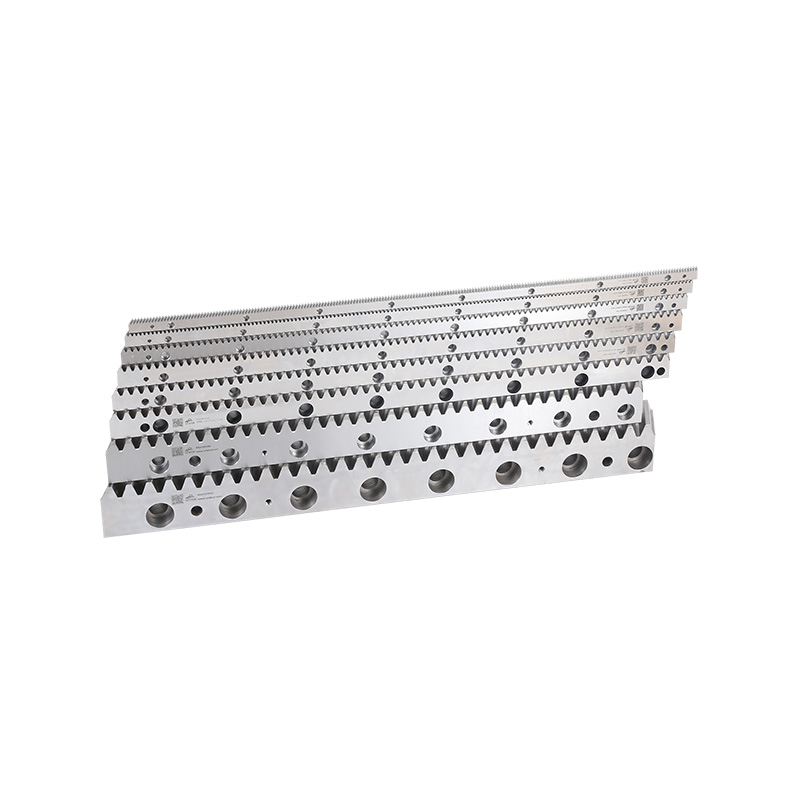
Introduction to Straight Gear Rack Selection
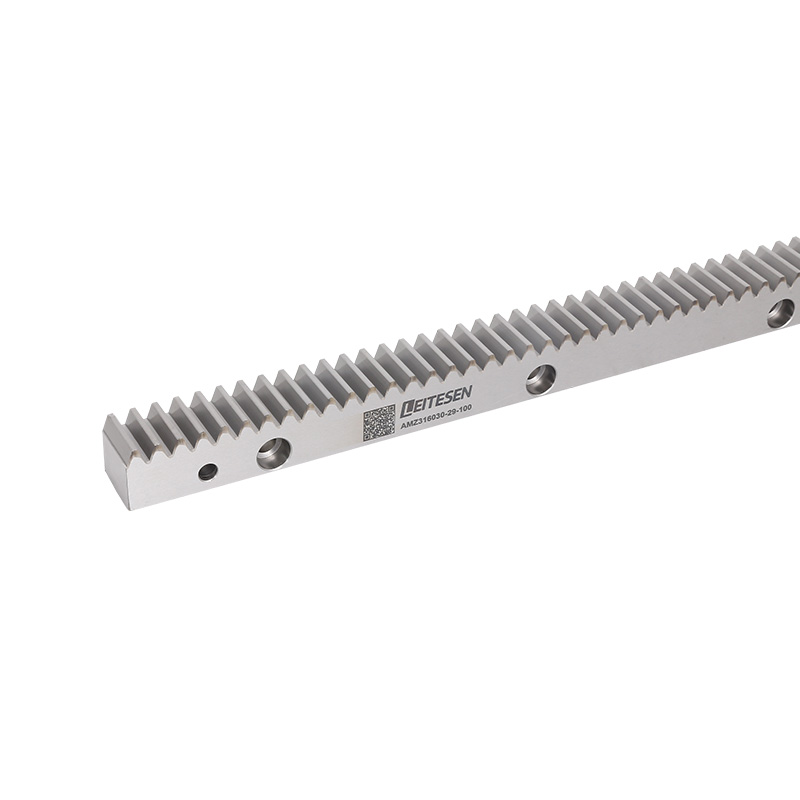
A Straight Gear Rack is a linear motion component widely used in CNC machinery, automation systems, and precision equipment. Selecting the right gear rack based on the load it will carry is critical to ensure durability, efficiency, and smooth operation. Improper selection can cause premature wear, backlash, or even mechanical failure. Understanding the relationship between load, material, and structural design is essential for engineers and designers.
Understanding Load Types
- Static Load: This refers to a constant load applied to the rack without movement. Static loads require gear racks with sufficient material strength and support to prevent bending or deformation over time.
- Dynamic Load: When the rack operates under motion, dynamic loads, including acceleration and deceleration forces, must be considered. These forces can cause fatigue if the gear rack is not designed for them.
- Impact Load: Occasional or sudden forces can occur during operations like robotic pick-and-place or heavy machinery movement. Impact-resistant gear racks are typically hardened and reinforced to withstand these loads.
Material Considerations
- Steel Racks: High-strength steel is commonly used for heavy load applications. Steel provides good rigidity, wear resistance, and longevity.
- Alloy Racks: Alloy materials offer a balance between strength and weight. They are suitable for moderate loads where minimizing weight is important.
- Aluminum Racks: Aluminum is lightweight and corrosion-resistant, but less suitable for very high loads due to lower rigidity. Proper design and reinforcement are essential for aluminum gear racks under heavy load.
Tooth Design and Accuracy
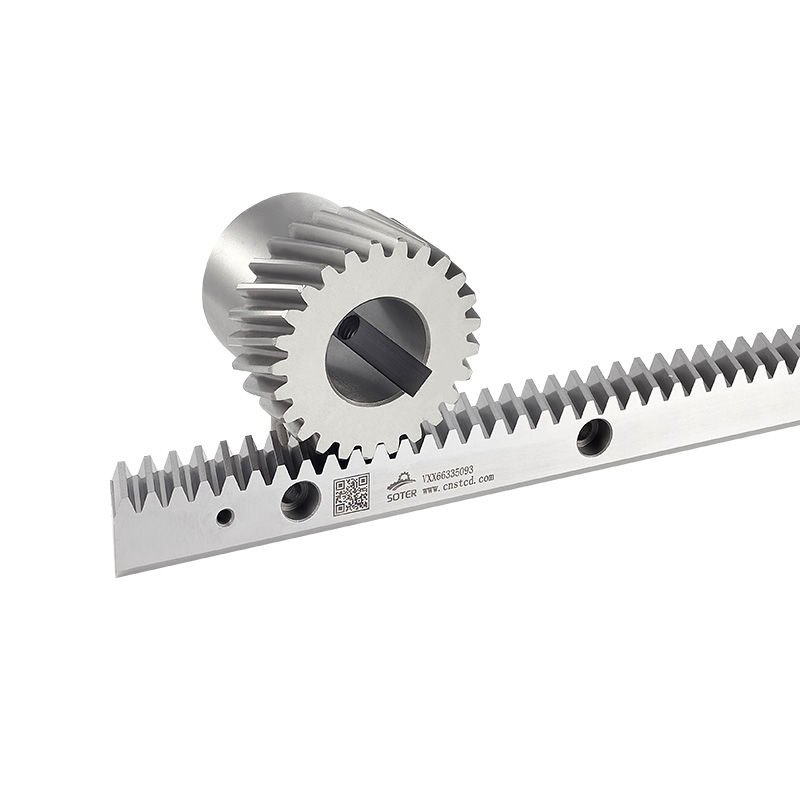
- Module and Pitch: The module defines the tooth size and must match the mating pinion. A larger module can handle higher loads but may reduce precision.
- Tooth Profile: Involute profiles are standard for smooth engagement. For high-load applications, precision-ground teeth reduce stress concentration and wear.
- Backlash Considerations: For critical applications, minimal backlash ensures accurate linear movement under load. Tooth quality, grinding, and proper alignment reduce backlash significantly.
Rack Length and Support
- Single vs. Modular Sections: Long travel distances may require modular rack sections bolted together. Proper alignment is necessary to maintain consistent tooth engagement.
- Support Structures: Adequate support along the rack length prevents bending under heavy loads. Mounting the rack on reinforced bases or guide rails distributes forces evenly.
- Reinforcement Ribs: Some straight gear racks include ribs or thickened back sections for extra rigidity in high-load scenarios.
Mounting and Alignment
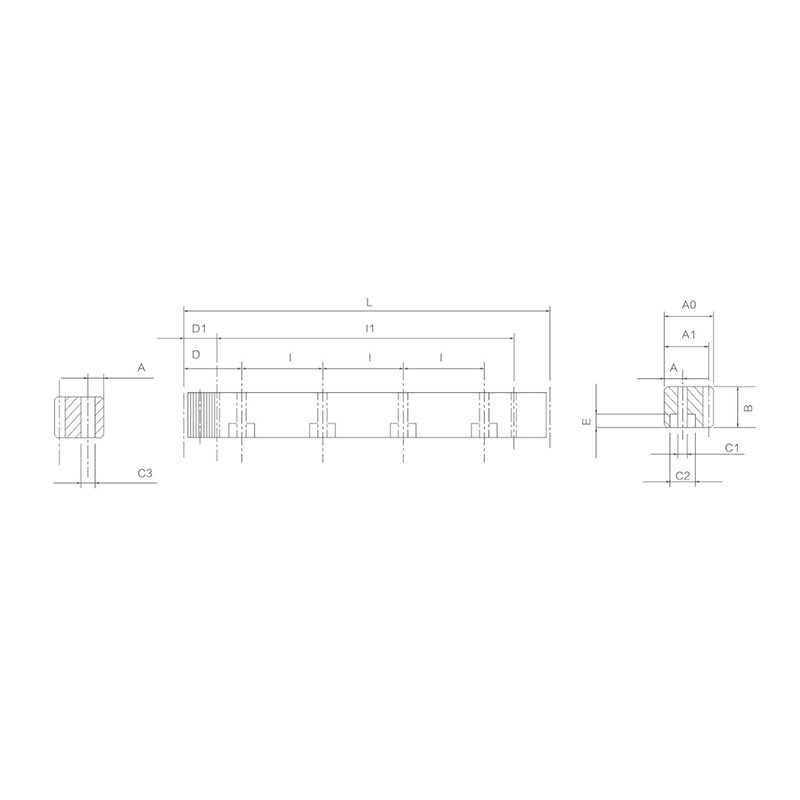
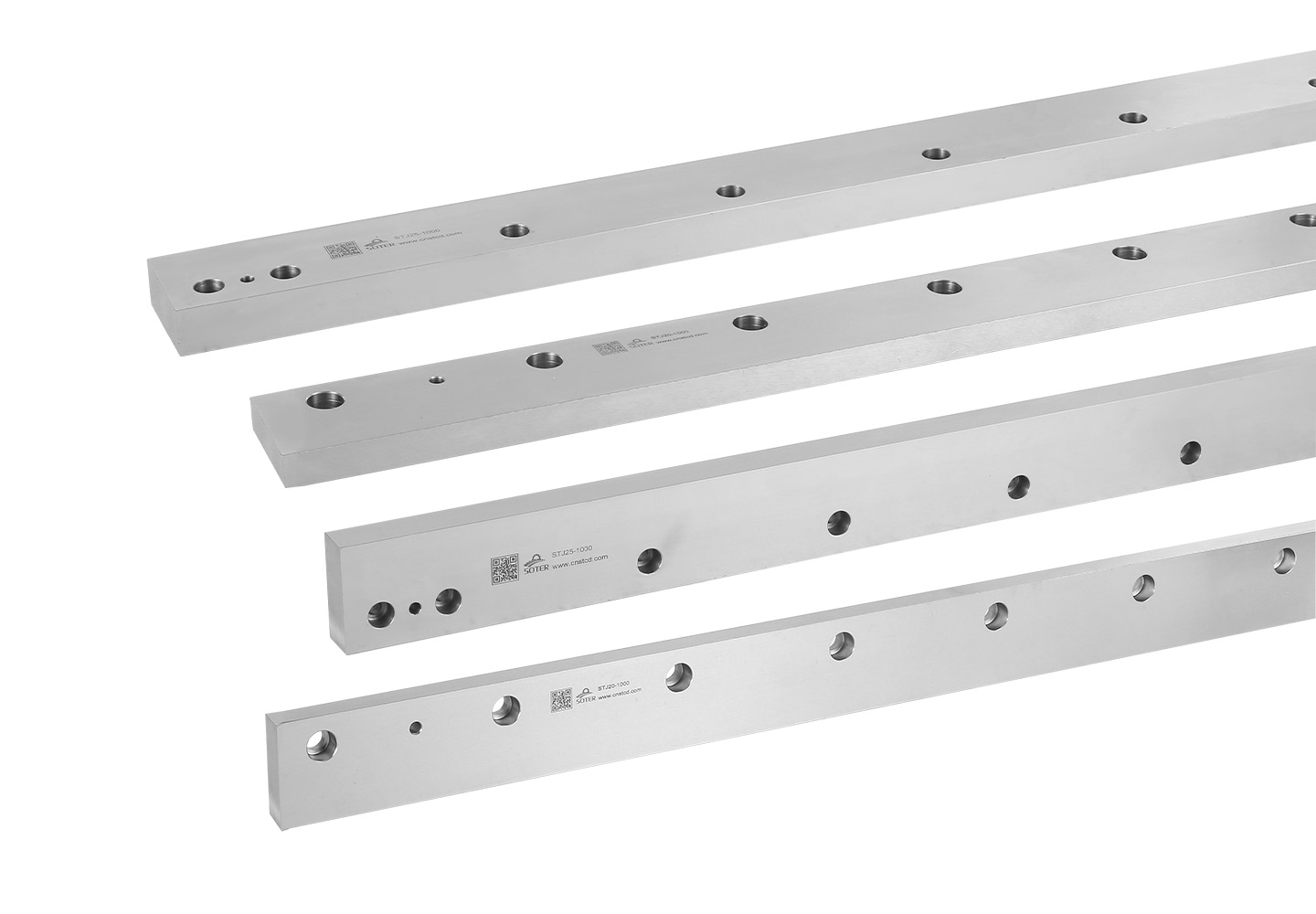
- Bolt Patterns: Ensure mounting holes are compatible with machine frames. Proper bolt placement maintains load distribution and prevents rack twisting.
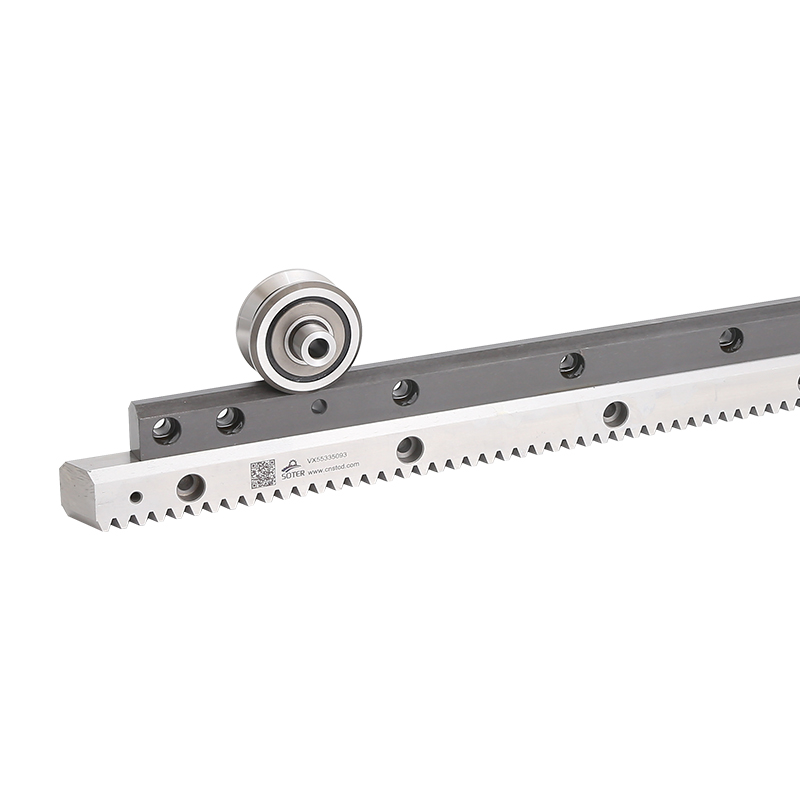
- Guide Faces: Many racks have flat surfaces to interface with linear guides. Accurate guide alignment is essential under load to prevent uneven wear.
- End Stops and Safety Features: Load applications often require physical stops to prevent over-travel or impact damage to the rack and pinion.
Environmental and Maintenance Factors
- Lubrication: Proper lubrication reduces friction and wear, especially under high-load conditions. Grease channels or lubrication grooves enhance performance.
- Corrosion Resistance: Coatings, plating, or stainless steel materials protect against corrosion when operating in humid or dusty environments.
- Temperature Effects: High temperatures can alter material properties and reduce load capacity. Consider thermal expansion in rack design.
Practical Selection Guidelines
- Calculate expected load, including static, dynamic, and impact components.
- Match the material and tooth design to the calculated load.
- Ensure mounting structures can support the total load without deflection.
- Consider environmental factors, lubrication, and maintenance when selecting the rack.
- Verify manufacturer specifications, such as load ratings and safety factors, to ensure reliable operation.
Selecting a Straight Gear Rack based on load requires a comprehensive understanding of material properties, tooth design, support structures, and operating conditions. Considering these factors ensures smooth motion, long service life, and accurate performance in linear motion applications. Proper selection not only protects machinery from premature failure but also improves overall system efficiency and reliability. By analyzing load characteristics and environmental conditions, engineers can make informed decisions when choosing a suitable gear rack for their specific needs.



 English
 中文简体
中文简体
 Español
 русский