Jul 31, 2026
Heavy-duty machinery lives on steady movement and reliable long-hour performance. Linear motion sits at the core of most industrial equipment, and converting rotational power into straight travel demands tough parts built to stand up to harsh working conditions.
High precision gear racks have become a go-to pick for engineers across countless industrial builds. They deliver consistent, accurate movement that keeps motion control stable, even on equipment running around the clock under heavy loads.
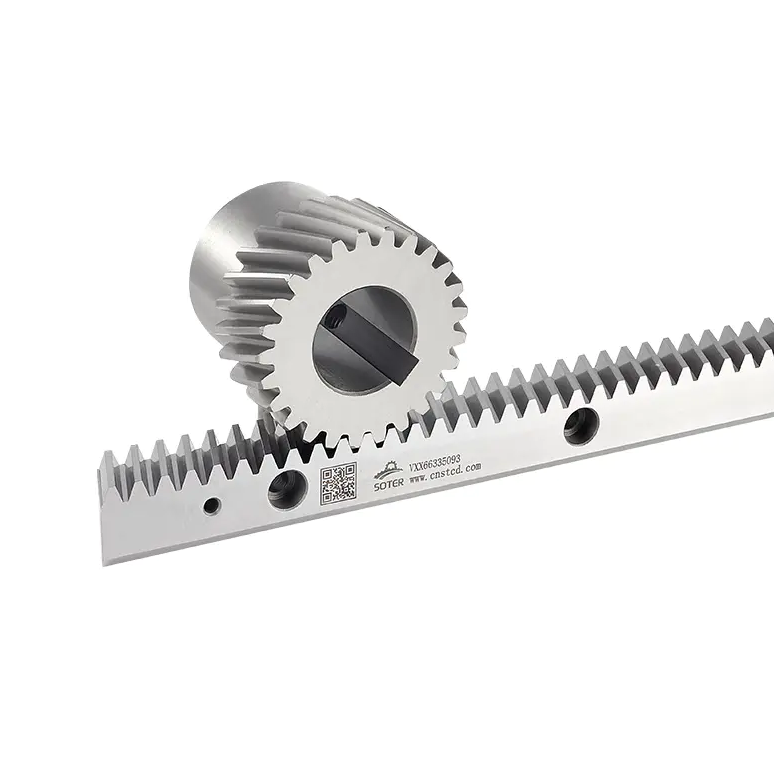
From automated assembly lines to massive processing machines, engineering teams constantly hunt for parts that cut downtime and trim maintenance work. The growing uptake of precision gear racks ties back to a wider industry push for more robust, low-fuss mechanical setups.
Heavy-duty gear faces brutal operating conditions. Machines often haul massive weights, repeat identical motion cycles thousands of times, and must lock into precise positions nonstop.
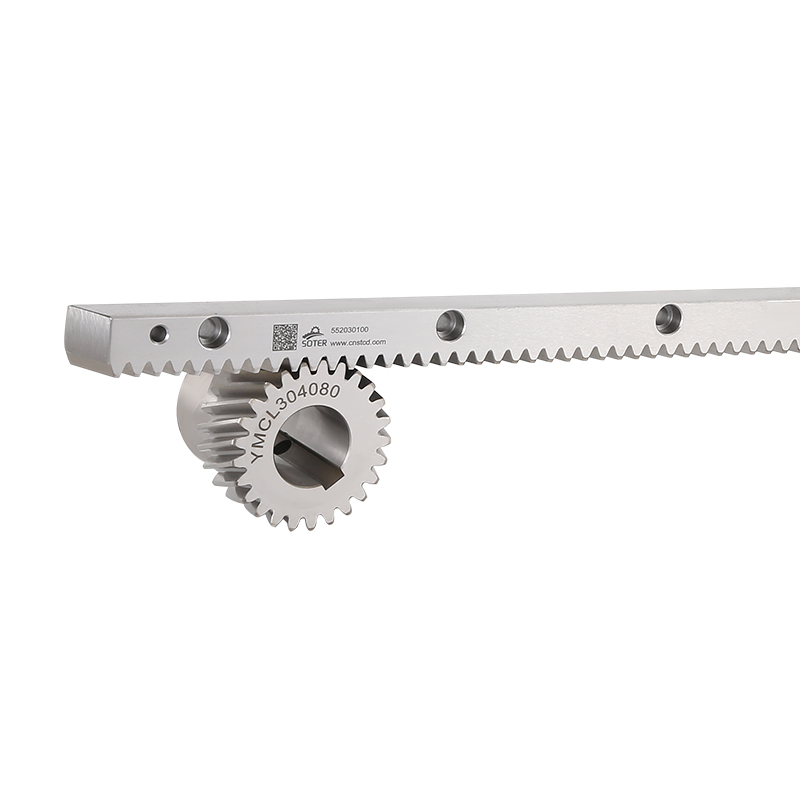
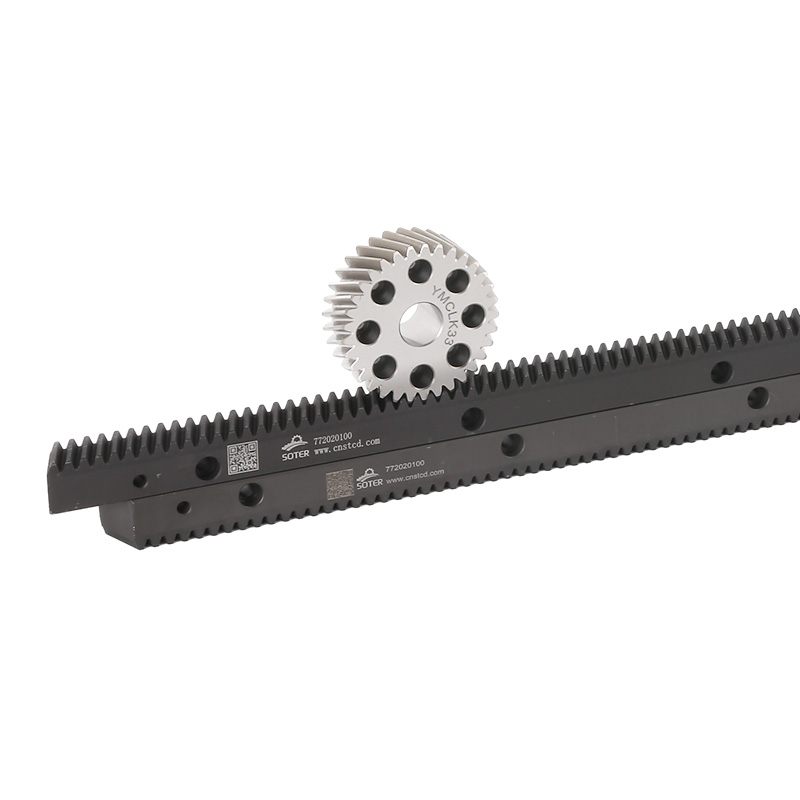
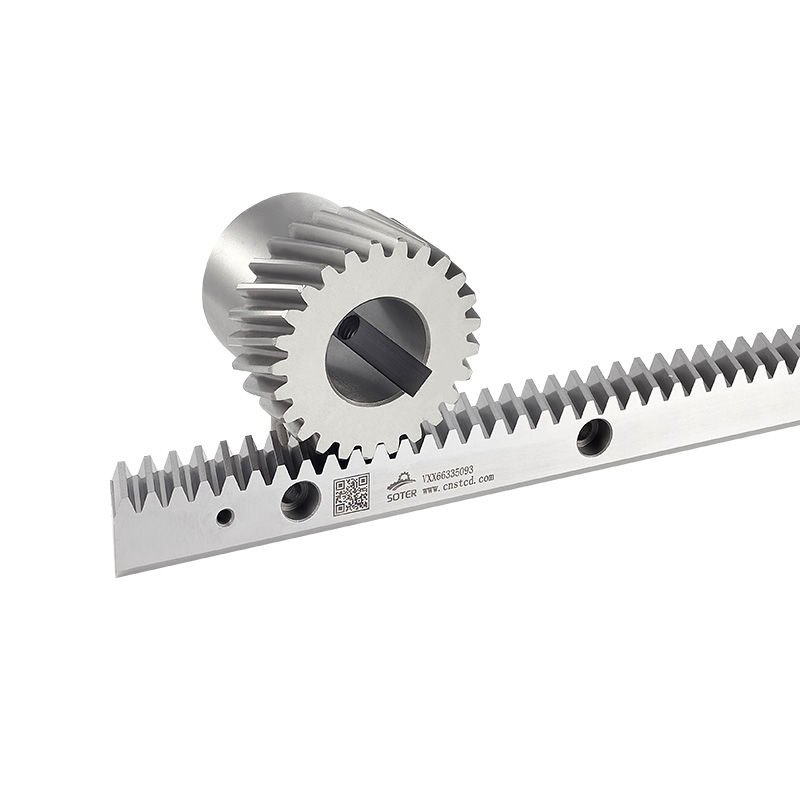
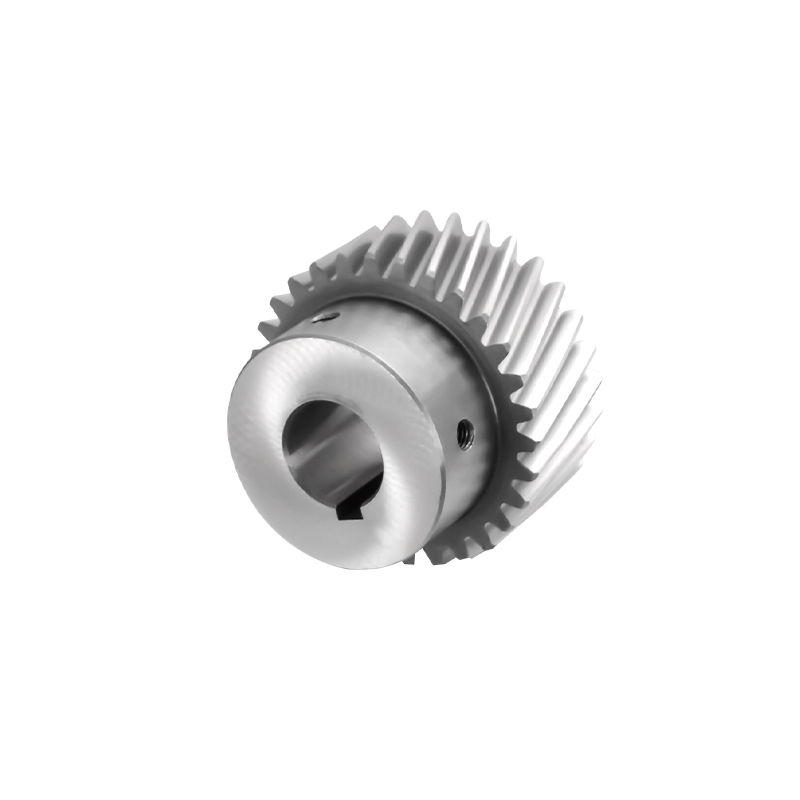
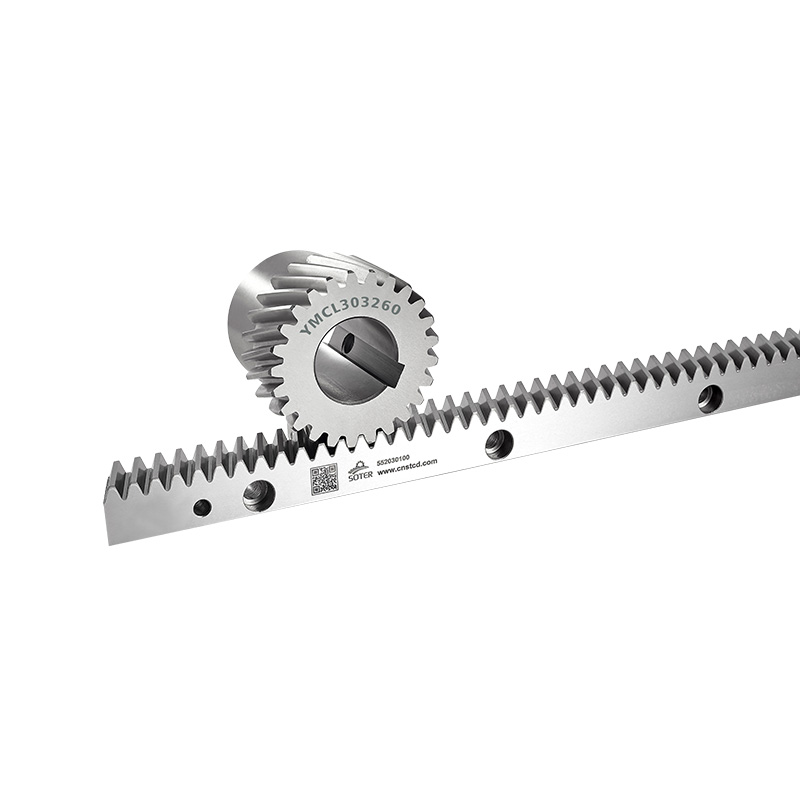
Gear racks work alongside pinions to turn spinning rotation into linear travel. When precision matters most, tiny inconsistencies in motion throw off the whole machine's output and product quality.
Gear racks resolve these pain points by delivering:
Engineers don't just need parts that move equipment. They need movement they can predict and trust under real-world factory stress.
Every component choice forces engineers to balance performance, durability and daily operational needs. Precision gear racks stand out because they hit all these key marks at once.
| Consideration | Importance in Heavy-Duty Applications |
|---|---|
| Movement accuracy | Helps equipment perform repeated tasks with consistency |
| Structural strength | Supports long-term operation under demanding conditions |
| Smooth engagement | Reduces unnecessary vibration during movement |
| Design flexibility | Allows use across different machine structures |
| Maintenance needs | Supports easier equipment management |
Machines rely on every linked component working in tandem. One dependable motion piece can lift the whole system's performance.
Smooth travel directly shapes how well industrial equipment performs. Shaky, inconsistent motion disrupts production flow and ruins finished workpieces.
Precision gear racks enable tighter, quieter meshing between moving parts, letting machines carry out tasks with far better control.
On heavy-duty gear, refined motion brings tangible benefits:
Engineers prioritize motion quality because it directly impacts production throughput and how long their equipment lasts before needing replacement.
Heavy-duty factory environments put constant, strain on mechanical components. Most gear runs long shifts, handles cyclic heavy loads, and endures steady wear day after day.
Gear racks are engineered specifically for these harsh scenarios, striking a solid balance between structural rigidity and tight motion tolerances.
Common heavy-duty use cases include:
Each industry has its own unique operating standards, yet every application relies on the same core requirement: stable, repeatable linear travel.
Automation keeps reshaping factory equipment design. Today's automated lines demand ultra-consistent movement, as even tiny travel errors break full production workflows.
Minor deviations in linear position can derail entire assembly sequences, making component precision non-negotiable during machine design.
Gear racks help automated systems perform better by:
As smart factories and automated workflows become standard, high-performance motion parts grow more critical. Engineers keep seeking solutions that pair long-term reliability with adaptable design.
Picking a gear rack isn't just about matching dimensions to fit the machine. Engineers have to test how each component integrates into the full mechanical system over months and years of use.
Four core practical factors guide every selection call:
Operating environment
Most heavy-duty machines run amid dust, constant vibration, wild temperature swings and nonstop operation. These surrounding conditions set the bar for component durability and stable performance.
Load requirements
Heavy-load industrial work demands parts with enough rigidity to bear maximum rated weights. Engineers test strength and stability to avoid bending or sudden failure under full operating loads.
Movement expectations
Different machines prioritize different motion metrics. Some setups prioritize fast linear travel, while precision-focused production equipment demands ultra-tight positioning above all else.
System compatibility
Gear racks must mesh seamlessly with pinions, guide rails and all other connected parts. Full-system compatibility cuts excess friction and keeps overall machine efficiency high.
Careful, systematic component selection lays the groundwork for smooth, long-running industrial equipment.
Reliability sits at the top of every factory's priority list. Unexpected machine breakdowns halt production lines, delay schedules and drive up costly repair bills.
Component precision boosts system reliability by enabling controlled, uniform movement. When all moving parts mesh accurately, the whole machine runs with less friction, wear and unplanned downtime.
Gear racks lift overall equipment reliability through:
In industrial engineering, the full system's reliability always traces back to the precision and build quality of its core individual components.
Factory machinery hasn't stood still, and it's not going to. Every new generation of equipment has to squeeze into a smaller footprint, slot into whatever layout the factory floor actually has, and — increasingly — talk to the automated systems running alongside it. That last part is the tricky one. A machine that works fine on its own can still be a poor fit once robotics and conveyor logic get added to the mix.
All of this pushes harder on the mechanical components doing the actual work. A part now has to survive inside a frame that's noticeably tighter than it used to be, without giving up load capacity in the process. That's a harder engineering problem than it sounds — compact and durable tend to pull in opposite directions.
This is where high-precision gear racks earn their keep. They give engineers room to actually try different layouts instead of designing around whatever the component forces them into. A few things make that possible:
The real payoff is what this frees engineers up to do. They're no longer locked into building a machine around a restrictive part spec. With a gear rack that can flex to fit the design instead of the other way around, there's a lot more room to push the layout, and the whole mechanical system tends to run better for it.
Industrial equipment runs for years of continuous operation, making long-term maintenance planning a core piece of factory management.
Well-built precision gear racks hold consistent performance over time, cutting down on frequent manual adjustments and on-site corrections. This lets maintenance crews focus on routine inspections rather than constant emergency fixes.
Engineers weigh key maintainability traits when picking gear racks:
Smart component choices made at the design stage simplify all later equipment upkeep and lower total long-run operating costs.
Raw material makeup dictates how gear racks perform across different working environments. Engineers weigh tensile strength, wear resistance and environmental adaptability to match each unique industrial use case.
Continuous heavy-duty factory operation demands far higher material performance than light-duty equipment. Different working conditions call for tailored material blends that balance toughness and precision retention.
Material selection directly shapes:
Picking the right base material ensures gear racks retain tight precision and durability through real-world factory use.
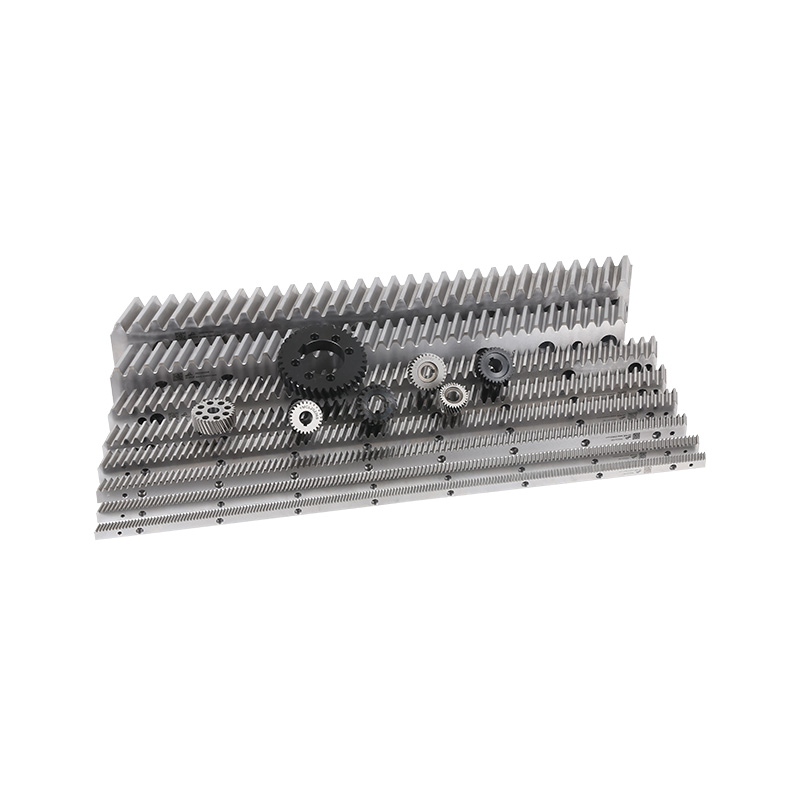
Gear racks act as foundational drive parts across every field that requires stable, accurate linear motion control.
| Industry Area | Application Examples |
|---|---|
| Manufacturing | Automated production equipment |
| Robotics | Movement systems and positioning platforms |
| Construction equipment | Heavy machine movement systems |
| Processing industries | Large mechanical equipment |
| Transportation equipment | Specialized handling systems |
While each industry's use cases differ widely, every field shares the same core need: stable, controllable, repeatable linear travel.
Industrial design always requires trade-offs between performance specs and real-world budget limits. While ultra-tight precision is ideal, engineers match component specs to actual system needs to avoid overengineering and unnecessary cost waste.
A high-performance gear rack only delivers real value if it fits the machine's full design and long-term operational goals.
Engineers strike a balanced decision by evaluating:
The better component pick maximizes overall system efficiency and total value, rather than chasing the high technical specs alone.
Ongoing industrial upgrades keep raising new standards for linear motion control systems. Modern manufacturing increasingly prioritizes tight motion control, layout flexibility and long-term equipment stability.
Four major industry trends shape rising demand for precision gear racks:
These shifts push component manufacturers and design engineers to keep refining precision motion solutions for next-gen industrial machinery.
Every automated movement on a factory floor relies on dozens of mechanical parts working in sync. Gear racks may look like small, simple pieces within a complex machine, yet their functional impact can't be replaced.
A machine's overall performance hinges on the precision and reliability of every core component. High precision gear racks deliver controlled, repeatable, steady mechanical travel, laying a solid foundation for efficient automated production.
As heavy-duty industries keep advancing toward smarter, higher-output operation, reliable precision motion hardware will remain a central driver of engineering innovation and factory-wide upgrades.
Share:
Related Products

If you have cooperation intention, please leave a message for us or use the following ways to contact us.We will reply to you as soon as possible and provide you with more sincere service, thank you.
Production
QR Code
Call Us :
+86-13758631128
E-mail :
sttc@cnstcd.com
Add :
31 piazza road, ruoheng town, wenling city, taizhou city, zhejiang province, China.
Copyright © by Zhejiang Soter Transmission Technology Co., Ltd. Rights Reserved.

China Rack And Pinion For Sale

 English
 中文简体
中文简体
 Español
 русский