Jul 24, 2026
Modern manufacturing depends on movement. From automated equipment to industrial machinery, many systems require accurate and stable motion to complete daily operations. Behind these movements are many mechanical components that may not attract attention but remain important to overall performance.
Rack and pinion gears are one example. They provide a practical way to convert rotational movement into linear movement. This design is used in different applications where controlled movement is needed.
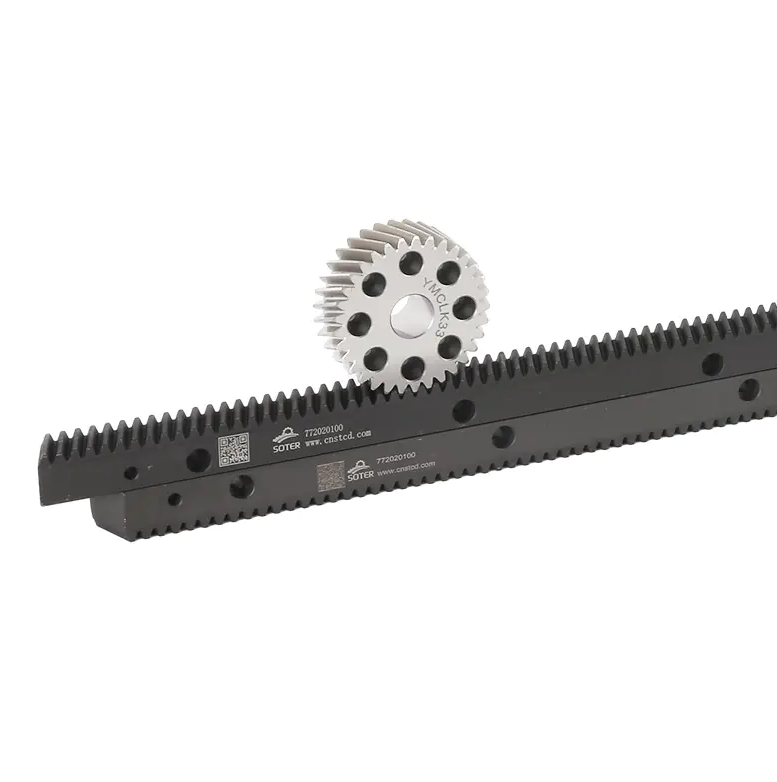
As industries continue to develop, the role of rack and pinion gears suppliers has become more significant. Suppliers are no longer only providing individual components. They are becoming part of the process of helping manufacturers find suitable solutions for different motion requirements.
Choosing the right supplier involves more than product availability. It also relates to production needs, application conditions, communication, and long-term cooperation.
Many machines require movement along a straight path. Traditional rotating systems cannot always meet this requirement directly. Rack and pinion gears provide a connection between rotation and linear movement.
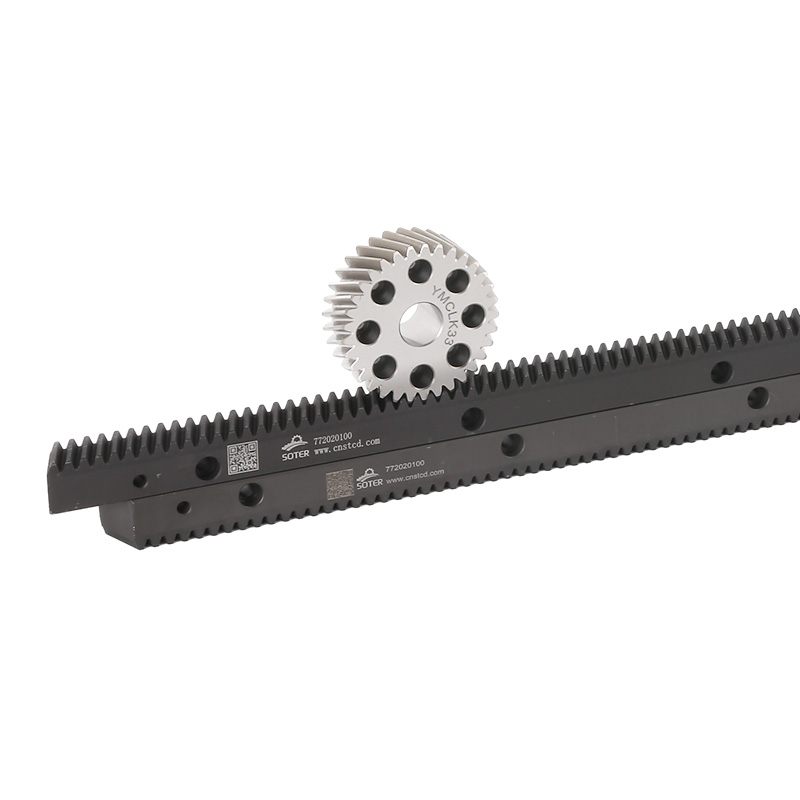
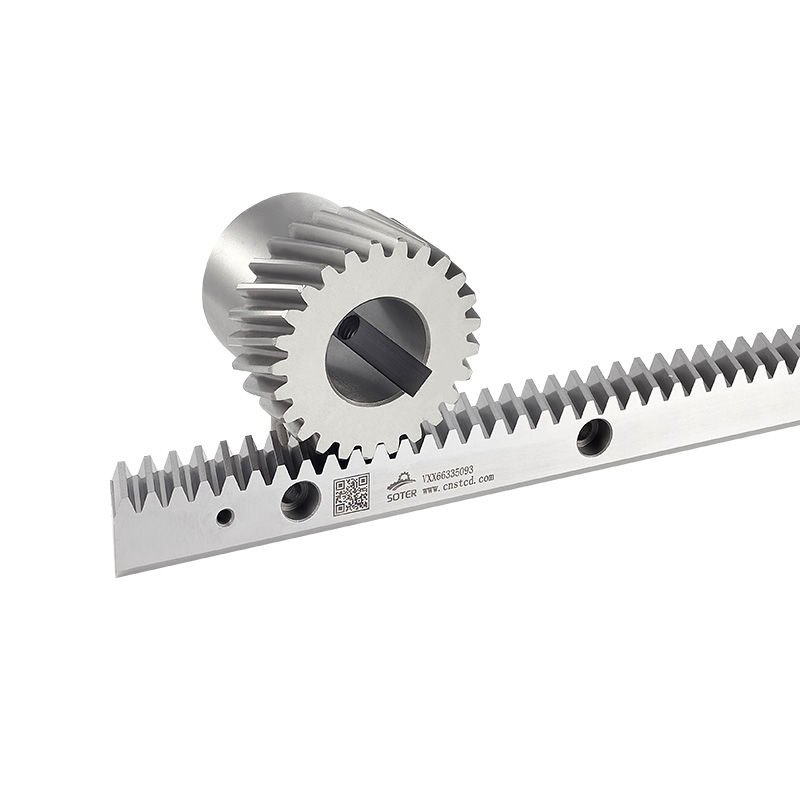
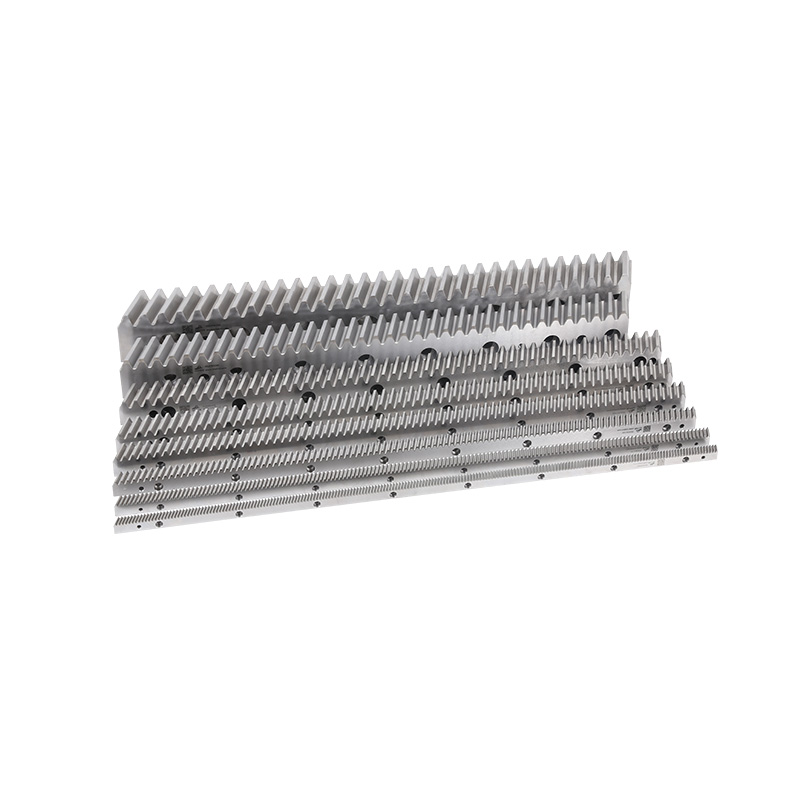
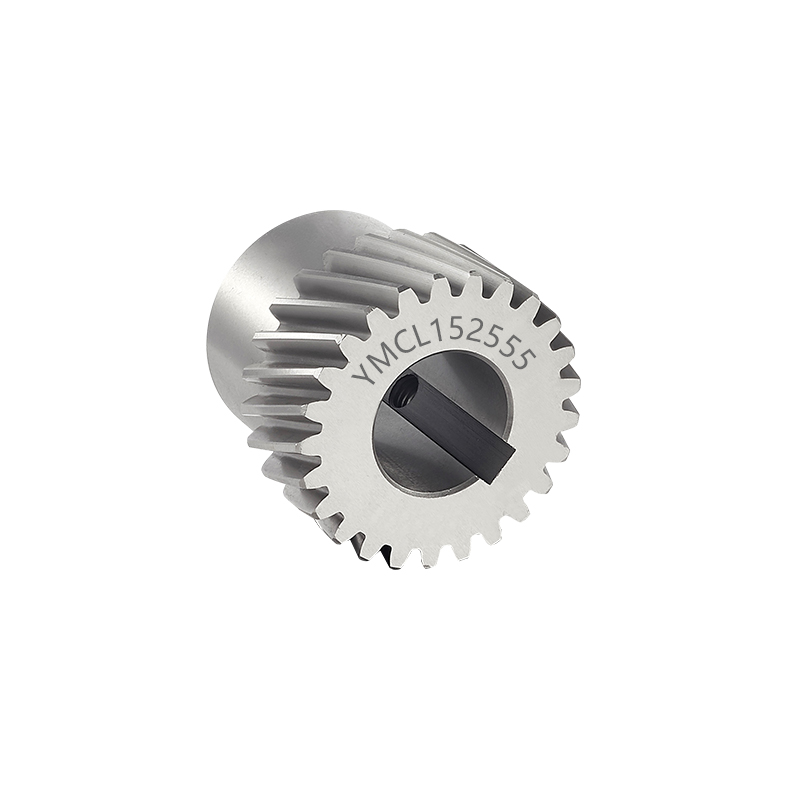
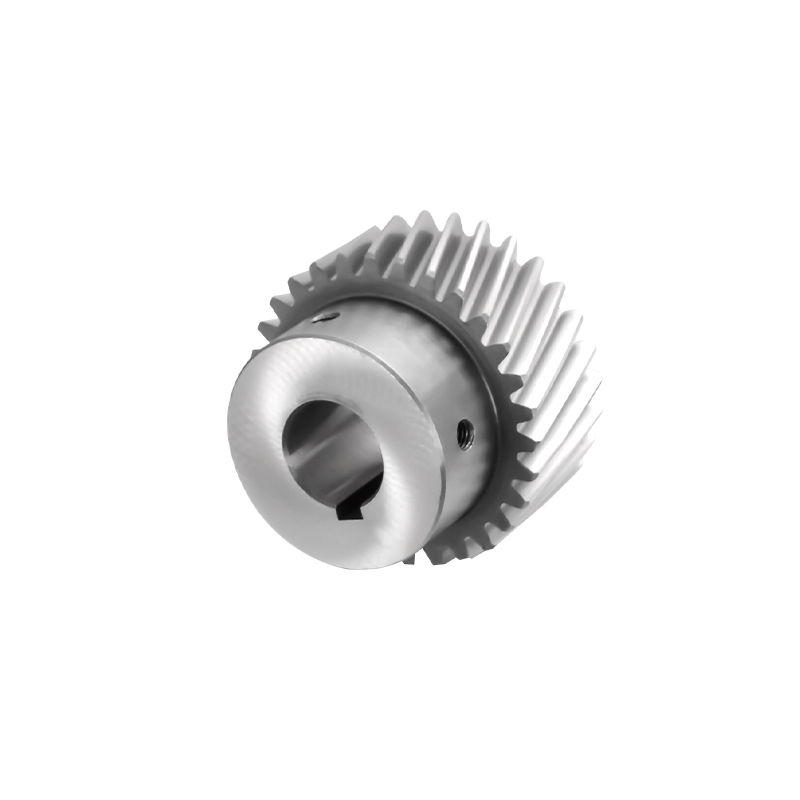
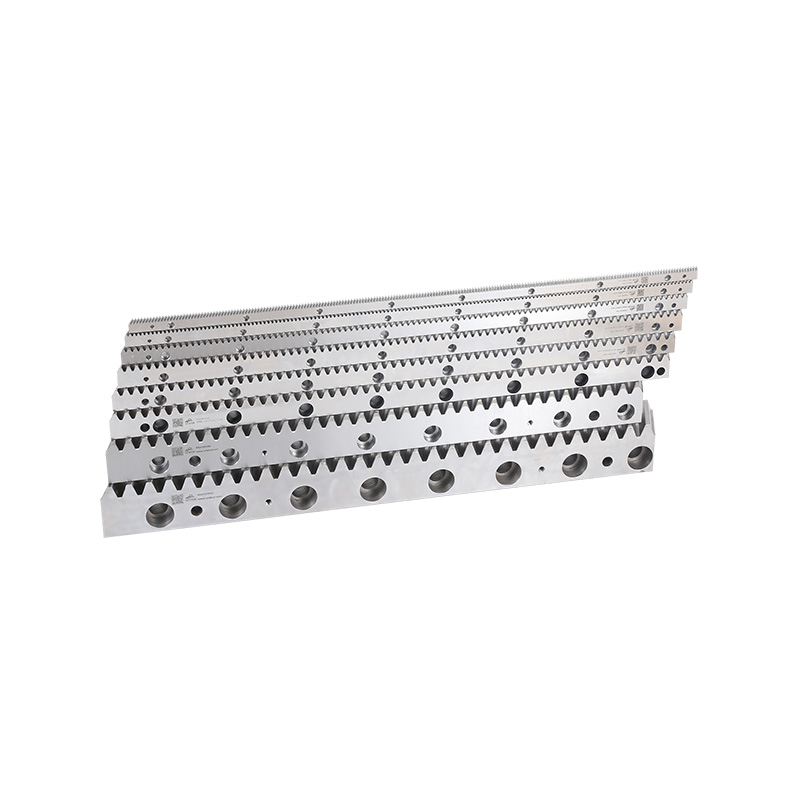
The basic structure includes two parts. The pinion is a rotating gear, while the rack is a straight component with matching teeth. When the pinion rotates, the rack moves in a linear direction.
This simple mechanical relationship allows equipment to achieve controlled movement in many environments.
Common applications include:
| Application Area | Role of Rack and Pinion Gears |
|---|---|
| Industrial machinery | Supports controlled mechanical movement |
| Automation equipment | Helps manage repeated positioning tasks |
| Manufacturing systems | Connects movement with production processes |
| Mechanical devices | Provides a practical motion solution |
The value of rack and pinion systems comes from their direct approach. They offer a clear method for transferring movement without requiring complicated structures.
As industries focus more on automation and efficient production, these components continue to have an important place in motion control.
Suppliers play a connection role between component production and industrial applications. Their work involves understanding what manufacturers need and providing suitable gear solutions.
A reliable supplier does not only deliver products. They also need to understand application differences.
Different machines may have different requirements. Some systems need smooth movement. Others focus more on consistent operation over long periods.
Suppliers often support customers through:
This support helps companies avoid choosing components that do not match their actual needs.
The relationship between manufacturers and suppliers has become more collaborative. Instead of a simple buying process, many companies now prefer suppliers who can provide better understanding of their production goals.
Finding a suitable supplier requires careful evaluation. The choice can influence not only the component itself but also the efficiency of the entire production process.
Several factors are commonly considered.
Product understanding
A supplier should understand different application environments. Rack and pinion gears used in one machine may not be suitable for another.
Knowledge of different industries helps suppliers provide more appropriate recommendations.
Production capability
A supplier needs to have stable production management. This helps ensure that products meet expected requirements during cooperation.
Communication ability
Clear communication reduces misunderstandings. A supplier that understands customer needs can respond more effectively to changes.
Service support
Long-term cooperation often depends on service quality. Good communication after cooperation begins can help solve problems more efficiently.
A comparison can be shown below:
| Selection Factor | Why It Matters |
|---|---|
| Industry experience | Helps understand different applications |
| Product range | Provides more suitable choices |
| Communication | Improves cooperation efficiency |
| Production management | Supports stable supply |
| Service approach | Helps maintain long-term relationships |
Choosing a supplier is not only about the product. It is about finding a partner that fits the manufacturing process.
Motion control depends on many parts working together. A small component can influence the overall movement of a machine.
Rack and pinion gears need to match the requirements of the system where they are installed. Poor matching may affect movement stability and daily operation.
Suppliers help by connecting product characteristics with application needs.
For example, different industries may focus on different priorities:
Understanding these differences allows suppliers to provide more suitable options.
The supplier's role is not simply delivering gears. It involves helping manufacturers create a more effective movement system.
Industrial machinery covers a much wider range of use cases these days. Factories keep rolling out uniquely built equipment, each running under distinct working parameters.
Off-the-shelf standard gear parts often fail to fit these one-of-a-kind setups well.
That's why custom design has turned into a core service from gear suppliers. Brands can tweak rack and pinion sets to perfectly fit their machine frames and site operating conditions.
Custom work usually covers these key areas:
Customization doesn't mean adding pointless complicated features. The whole point is to make gears align perfectly with the machine they're mounted on.
Suppliers who grasp this balance can deliver far more down-to-earth, functional gear solutions for their clients.
Automation has changed many manufacturing processes. Machines are expected to perform repeated movements with stability and accuracy.
Rack and pinion systems remain useful because they provide a straightforward method for controlling linear motion.
In automated equipment, movement consistency is important. The interaction between mechanical parts affects how smoothly the system operates.
Suppliers involved in automation applications often need to consider:
| Automation Need | Supplier Consideration |
|---|---|
| Continuous movement | Stable component performance |
| Equipment integration | Compatibility with machine design |
| Production changes | Flexible support options |
| Long-term operation | Reliable cooperation |
As automation continues to expand, suppliers are becoming more involved in helping manufacturers improve equipment design.
The relationship between motion components and automation is becoming closer.
The mechanical parts market keeps shifting year after year. Factories supplying these gears have to satisfy a wide range of client demands without disrupting their regular production schedules.
One major difficulty is juggling mass standard production alongside unique custom orders. Many clients need gear assemblies built to special specs that generic stock parts cannot meet.
Poor communication creates another frequent roadblock. Industrial projects come with countless technical details. Straightforward, thorough talks between suppliers and buyers help prevent errors once production gets underway.
Gear makers also need to keep expanding their knowledge across different industrial lines. Motion control standards differ greatly from sector to sector, and experience gained from one industry seldom works perfectly for another.
All these ongoing issues push suppliers to polish their customer service and build up solid, cross-industry technical know-how.
The traditional supplier relationship focused mainly on purchasing and delivery. Today, many manufacturers expect more involvement.
Companies increasingly value suppliers who can provide guidance before production begins. Early communication can help identify suitable approaches and reduce unnecessary changes later.
This shift creates a more cooperative relationship.
A modern supplier often works with customers through different stages:
This approach allows suppliers to become part of the manufacturing process rather than remaining outside of it.
The role of rack and pinion gears suppliers continues to expand as industries look for more connected and practical solutions.
Industrial development is creating new expectations for mechanical components. Manufacturers are looking for suppliers who can respond quickly, understand applications, and provide reliable cooperation.
Future supplier development may focus on:
The importance of rack and pinion gears suppliers comes from their connection between mechanical design and real-world operation.
As motion control becomes part of more industries, suppliers will continue to influence how equipment moves, adapts, and performs in different working environments.
Share:

If you have cooperation intention, please leave a message for us or use the following ways to contact us.We will reply to you as soon as possible and provide you with more sincere service, thank you.
Production
QR Code
Call Us :
+86-13758631128
E-mail :
sttc@cnstcd.com
Add :
31 piazza road, ruoheng town, wenling city, taizhou city, zhejiang province, China.
Copyright © by Zhejiang Soter Transmission Technology Co., Ltd. Rights Reserved.

China Rack And Pinion For Sale

 English
 中文简体
中文简体
 Español
 русский