Oct 30, 2026
Choosing a gear rack manufacturer takes more than comparing prices. A gear rack is part of a motion system, and its quality shapes how the connected equipment runs. Material selection, manufacturing methods, product consistency and communication all feed into the decision.
Applications differ, and so do their demands. A rack in automated equipment faces different requirements from one in lifting machinery or a material handling system. Buyers need to see how those needs line up with what the manufacturer can actually do.
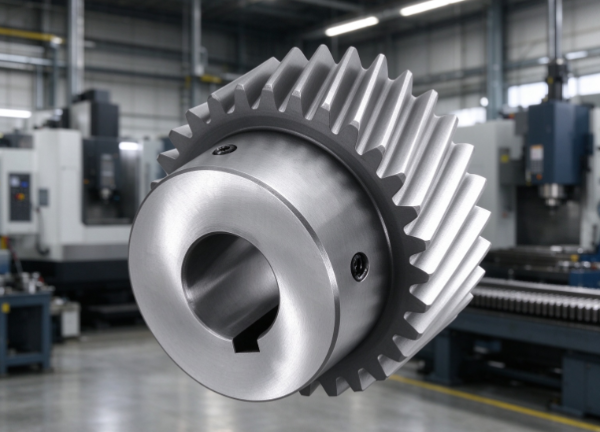
A good supplier understands the intended application, explains its production process and gives clear information about product quality. Buyers also need to weigh delivery arrangements, customization options, technical support and long-term cooperation.
Look at these factors together and you make a better-informed choice. You also lower the risk of landing a supplier whose products or service don't match your needs.
Manufacturing capability is a key test for any gear rack manufacturer. It decides whether the supplier can produce what your design, material and application require.
Gear racks vary in tooth shape, overall length, material, surface condition and installation requirements. Some applications use standard products, others need custom designs. The manufacturer's production process has to fit the type of rack you're requesting.
Start with the main product range. Does the company focus on standard gear racks, custom components or both? Can it work with the materials and designs your application needs? The answers show whether its production experience is relevant to your project.
The process itself deserves a look. Stages typically include material preparation, tooth cutting, surface treatment, finishing and inspection, though the exact flow depends on the design. You don't need to know every production detail. You do need to learn how the manufacturer manages each relevant stage.
Equipment and production planning count too. A supplier might handle one design well and struggle when an order has several variations. That affects how efficiently it deals with custom requests or shifts in demand.
Talk about the expected order type before you decide. A business buying standard gear racks values stable availability. A company building specialized machinery needs a manufacturer that reviews drawings and adjusts its production process.
So judge capability against your actual application, not a general description of the supplier's facilities. When product requirements and working methods match clearly, cooperation starts on solid ground.
Material decides how a gear rack responds to its working environment. The component faces repeated movement, contact with a pinion, changing loads, and sometimes dust and moisture. The material has to suit those conditions.
Steel is common for industrial gear racks, but the right choice depends on the design and application. Some products need particular surface properties or treatment. Explain the operating environment to the manufacturer and ask how its material choices relate to your requirements.
Quality also depends on how the material is processed. Poor material preparation or unsuitable manufacturing practices produce inconsistent results. The finished product might not fit the connected parts, or its working surfaces might wear unevenly.
A manufacturer should be able to explain how it selects materials and checks incoming stock. Ask whether material information is available for your order and how the company handles products that miss its requirements.
Inspection during production matters as well. Checking only the finished gear rack can miss issues that developed along the way. Reviewing work at relevant stages catches problems before they affect later operations.
The final inspection should reflect the intended use. Depending on the design, it covers dimensions, tooth form, surface condition, straightness or other specified features. Confirm which characteristics get inspected and how the results are recorded.
Settle quality requirements before production starts. If buyer and manufacturer hold different expectations, disagreements surface after delivery. Drawings, product specifications, approved samples and written inspection requirements give both sides the same picture.
Don't lean on broad claims about quality. Look for evidence of a consistent process. Clear inspection practices and direct answers about materials tell you far more about a supplier.
Quality control makes sure gear racks match the agreed requirements from one batch to the next. That matters when a component must work with other parts in an assembly. Even small differences affect installation, movement or the way a rack meshes with its pinion.
The quality process should cover the stages relevant to the product: incoming material checks, production inspections, final product assessment and the handling of nonconforming items.
Ask how the company identifies and manages defects. When a product misses the agreed requirements, does the manufacturer isolate it? Does it investigate the cause? Are corrective actions recorded? The answers show whether quality control is part of daily production or just a final visual check.
Traceability helps too. Depending on the application, buyers may need records linking a delivered product to its material source, production process or inspection results. That makes it easier to investigate a problem found after installation.
Match the documentation level to the project's needs. Not every order calls for extensive records, but agree on expectations in advance. This counts most when gear racks go into equipment with defined quality or safety requirements.
Sample approval is useful for new designs. A sample lets the buyer review the product before a larger order goes ahead. It also helps both sides confirm details that are hard to explain in writing.
Communication about quality issues matters equally. No manufacturing process is problem-free. What counts is whether the supplier responds clearly, investigates the issue and explains the corrective options.
A useful evaluation looks at real quality practices. Seek clear inspection criteria, suitable records and a defined process for handling defects, not just general statements about reliability.
Not every machine can take a standard gear rack as is. Some systems need a particular length, tooth arrangement, mounting method, material or surface treatment. In those cases customization becomes a major part of choosing a supplier.
A manufacturer offering custom production should review your requirements before confirming the design can be made. The review covers drawings, application details, installation space, connected components and the operating environment.
Give accurate information about how the gear rack will be used. If it must work with an existing pinion or machine assembly, relevant drawings and interface details help the manufacturer judge compatibility. Missing information leads to wrong assumptions during production.
Design support doesn't always mean creating a new product from scratch. It can mean reviewing a drawing, flagging a production concern, suggesting a practical adjustment or confirming that a requested feature suits the manufacturing process.
Clear communication is essential here. Both parties agree on the drawing version, product requirements, material, surface treatment and inspection expectations. Document every approved change so production follows the same requirements.
Ask about the manufacturer's approach to design revisions. A change that looks minor can alter production methods, product fit or delivery arrangements. Knowing how revisions are reviewed and approved prevents confusion.
Customization also influences cost and production planning. A specially designed gear rack may need extra preparation, tooling or inspection. The supplier should explain the relevant factors before the order is confirmed, so you can weigh the trade-offs.
Customization capability pays off when a clear review process backs it. Look for a supplier that asks the right questions, spots missing details and confirms design requirements before production begins.
Delivery arrangements ripple through the whole manufacturing schedule. If gear racks arrive late, the buyer delays assembly, reshuffles workers or holds up other production. Weigh delivery capability alongside product quality and manufacturing experience.
Delivery performance depends on several factors: material availability, production capacity, order complexity, inspection requirements and the number of orders already in progress. Custom products often need extra preparation before manufacturing starts.
Discuss the expected schedule before you order. The manufacturer should explain the main production stages and name any factors that could affect the planned delivery date. An honest schedule beats a promise that ignores the actual work involved.
Order changes add challenges. A revised drawing, a material substitution or a larger quantity can disturb the production plan. Understand how such changes are reviewed and whether they shift the delivery arrangement.
Packaging and transport matter too. Gear racks can be long, heavy and easy to damage on their working surfaces. Suitable packaging protects the product during handling and shipping. Ask how the manufacturer prevents scratches, corrosion, bending or other damage that would hurt installation.
For recurring orders, steady supply becomes critical. A supplier needs a process for managing repeat requirements and flagging potential delays. Discuss how future orders will be handled if demand changes.
Judge delivery on more than the estimated shipping date. Look at production planning, progress updates, packaging and how the manufacturer responds when something unexpected comes up.
Price matters, but the low quotation isn't always the low overall cost. A gear rack that needs extra fitting, arrives defective or wears out early creates expenses after the purchase.
When comparing quotations, check that each supplier is pricing the same product. Differences in material, manufacturing method, surface treatment, inspection, packaging or customization make two quotes hard to compare directly.
Make the scope of supply clear. Confirm which services are included and whether extra costs apply to drawing changes, special packaging, inspection documents or other project requirements.
Consistency affects value as well. If gear racks vary between deliveries, the buyer spends more time checking parts or adjusting connected equipment. A supplier with clear production controls reduces these disruptions, though results depend on the product and application.
Think about maintenance and replacement. A gear rack in a demanding environment needs different material or surface properties from one under lighter conditions. Choosing by purchase price alone ignores the operating conditions that drive service life.
Request quotations from several manufacturers and compare them against the same requirements. Differences in supply scope, production arrangements, quality checks and after-sales support then stand out.
Payment terms and order flexibility also influence the decision. Understand the terms for deposits, balance payments, order changes and any agreed remedies for nonconforming products.
A balanced comparison weighs purchase price against quality, fit, delivery and support. The aim is an arrangement that meets the application's needs without creating avoidable costs in use.
A gear rack order usually involves several rounds of discussion. Buyers share drawings, confirm materials, approve samples, check production progress and resolve questions after delivery. Clear communication keeps these steps moving with fewer misunderstandings.
A responsive manufacturer gives direct answers about product design, manufacturing capability, inspection and delivery. If a request is unclear or can't be met as written, the supplier explains the issue instead of proceeding on assumptions.
Language and documentation shape communication too. Drawings, written specifications, product identification and agreed inspection requirements give both sides a shared reference. When changes occur, mark updated documents clearly to avoid mixing up versions.
After-sales support counts when a product doesn't fit as expected or develops a problem in use. Know how to report an issue, what information the manufacturer needs and how the matter will be reviewed.
Useful support includes checking product records, reviewing photographs or measurements, investigating possible causes and discussing repair or replacement options where appropriate. The exact arrangements depend on the supplier's policies and the order terms.
Clarify warranty coverage and claim procedures before you buy. Understand any conditions that apply to installation, operation, maintenance or product modification. Clear terms reduce disputes if a problem occurs.
Communication shouldn't stop once the order is placed. Production updates help buyers prepare for delivery and catch issues while there's still time to fix them. A supplier that reports changes promptly makes purchasing and planning easier.
Long-term cooperation takes more than friendly chats. It needs accurate information, documented agreements, reasonable response times and a practical way to handle problems.
The better gear rack manufacturer depends on your actual requirements. A supplier experienced in one type of gear rack may lack the same capability for another design or operating environment. So evaluate the match between your application and the manufacturer's experience.
A practical review starts with a clear list of requirements: product design, material, installation conditions, working environment, quality documentation, order quantity, delivery needs and expected support.
These questions help organize the evaluation:
Review product samples, relevant manufacturing information and references when they're available and appropriate. These sources help verify that the supplier's experience matches the project. Test any claim about production capacity or quality against the requirements of your specific order.
A trial order helps when you bring in a new supplier, especially for a custom design. It lets you review product fit, communication, packaging and documentation before relying on the manufacturer for recurring supply. Base the trial on agreed requirements so you can judge the results fairly.
Keep the evaluation specific to the application. Some buyers put customization and design discussion first. Others focus on repeat-order consistency, delivery planning or documentation. Naming your priorities lets you compare suppliers on relevant criteria instead of general impressions.
Share:

If you have cooperation intention, please leave a message for us or use the following ways to contact us.We will reply to you as soon as possible and provide you with more sincere service, thank you.
Production
QR Code
Call Us :
+86-13758631128
E-mail :
sttc@cnstcd.com
Add :
31 piazza road, ruoheng town, wenling city, taizhou city, zhejiang province, China.
Copyright © by Zhejiang Soter Transmission Technology Co., Ltd. Rights Reserved.

China Rack And Pinion For Sale

 English
 中文简体
 Español
 русский