Oct 23, 2026
Motion control sits at the heart of modern industrial equipment. Machines need to move materials, position components, guide workpieces, and carry out repeated operations reliably. These tasks all depend on mechanical systems that turn movement into useful action. Rack and pinion systems are one solution that shows up across plenty of these applications.
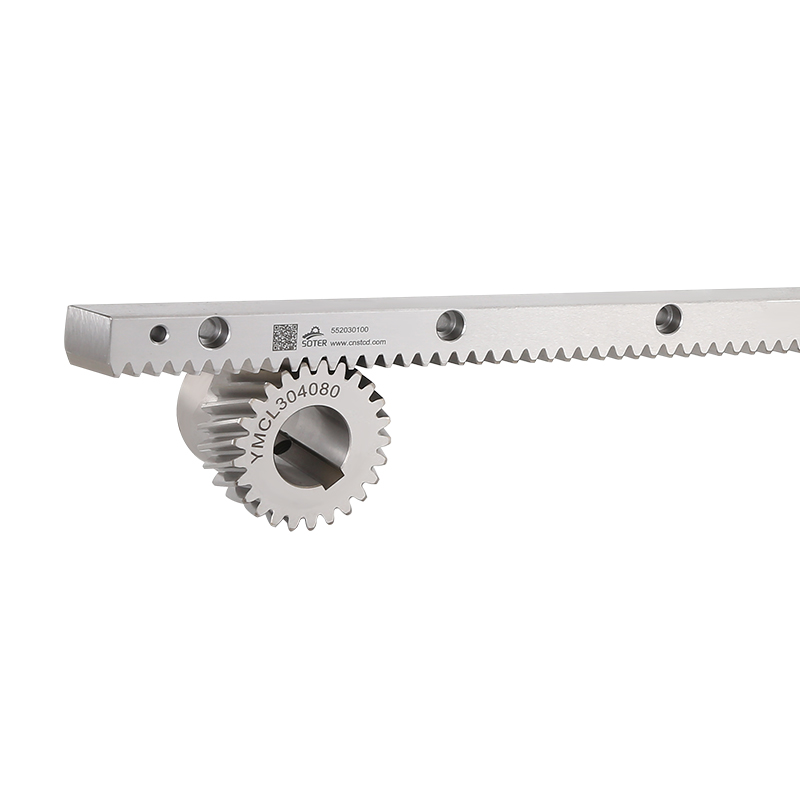
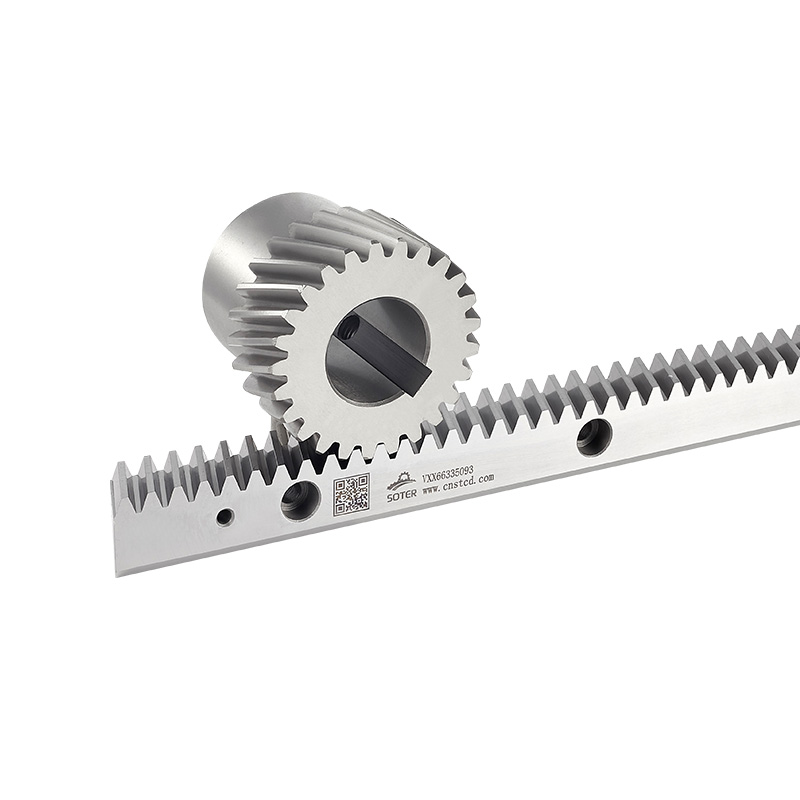
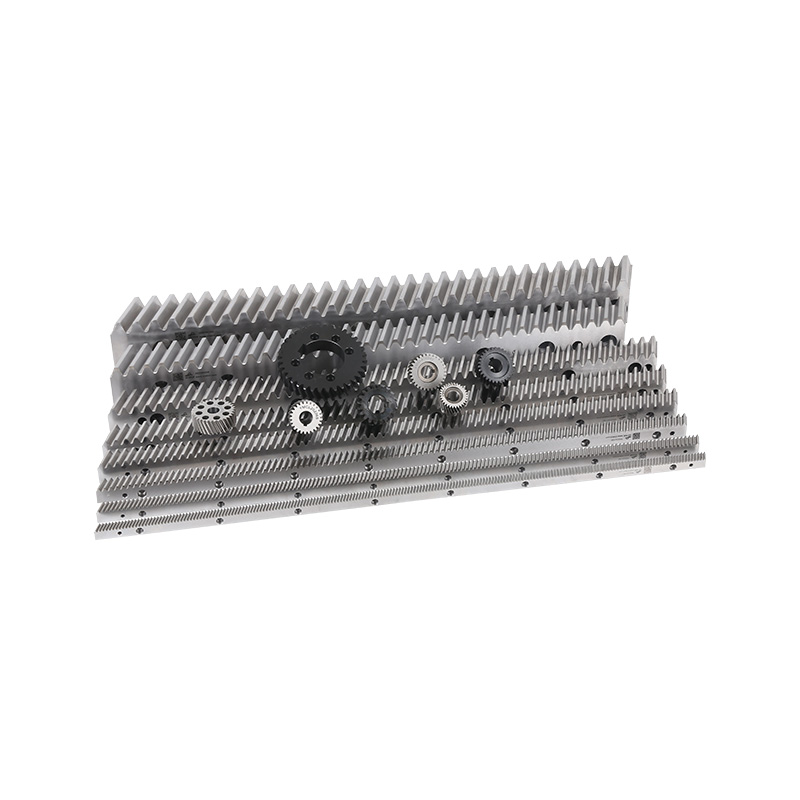
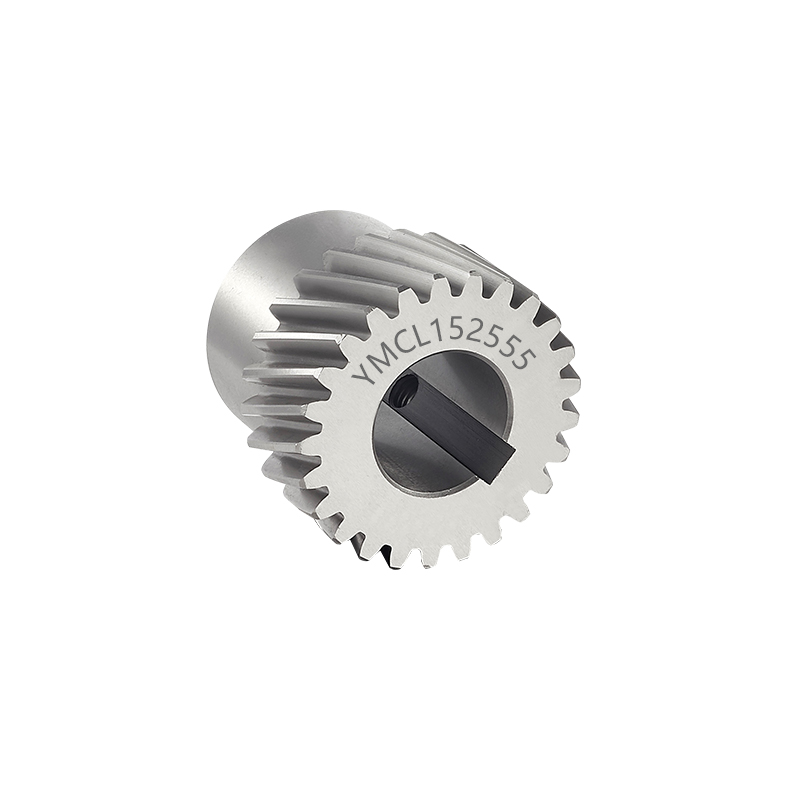
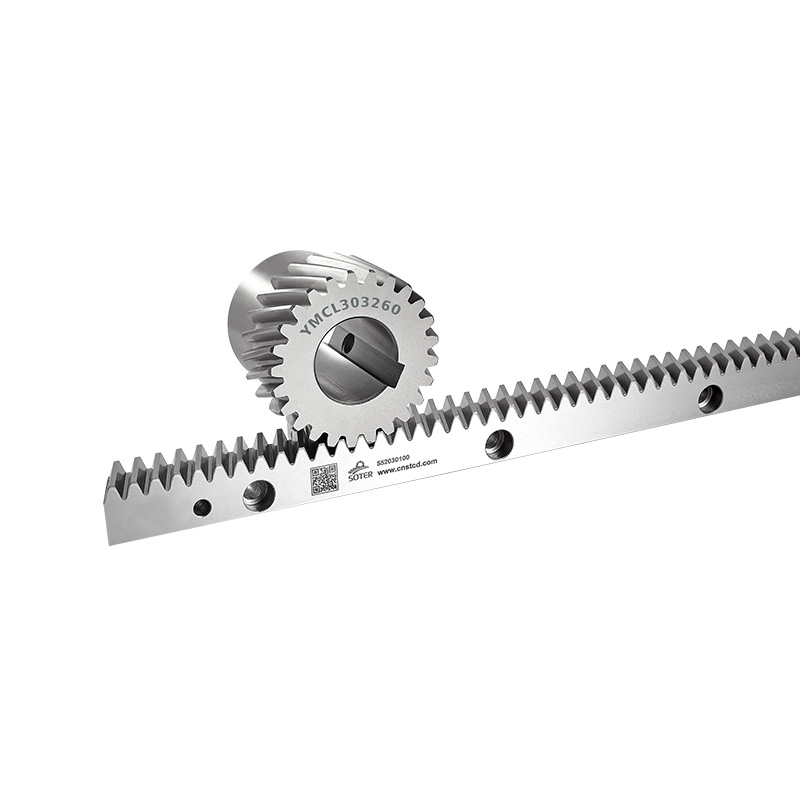
A rack and pinion mechanism uses a straight toothed bar paired with a round gear to convert rotary motion into linear movement, or the reverse. As the gear rotates, it travels along the rack and drives the connected part in a straight line. This simple working principle supports a genuinely wide range of machines, from automated production equipment to material handling systems.
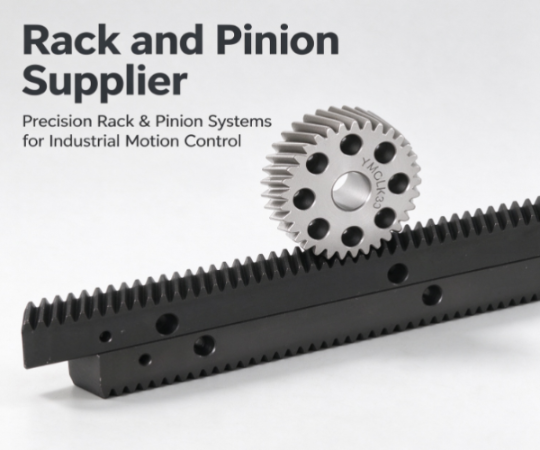
Rack and pinion supplier contribute far more than just delivering individual components, though. They help buyers identify suitable products, understand application requirements, and coordinate product specifications with the wider machine design. Their role can shape how easily a motion control system gets assembled, operated, maintained, and adapted to changing production needs down the line.
As industrial equipment grows more varied, choosing compatible motion components demands careful attention. Buyers need to weigh how a rack and pinion system will interact with the machine, the load it has to move, and the environment it'll operate in. Understanding the supplier's role helps manufacturers make informed decisions throughout the equipment development process.
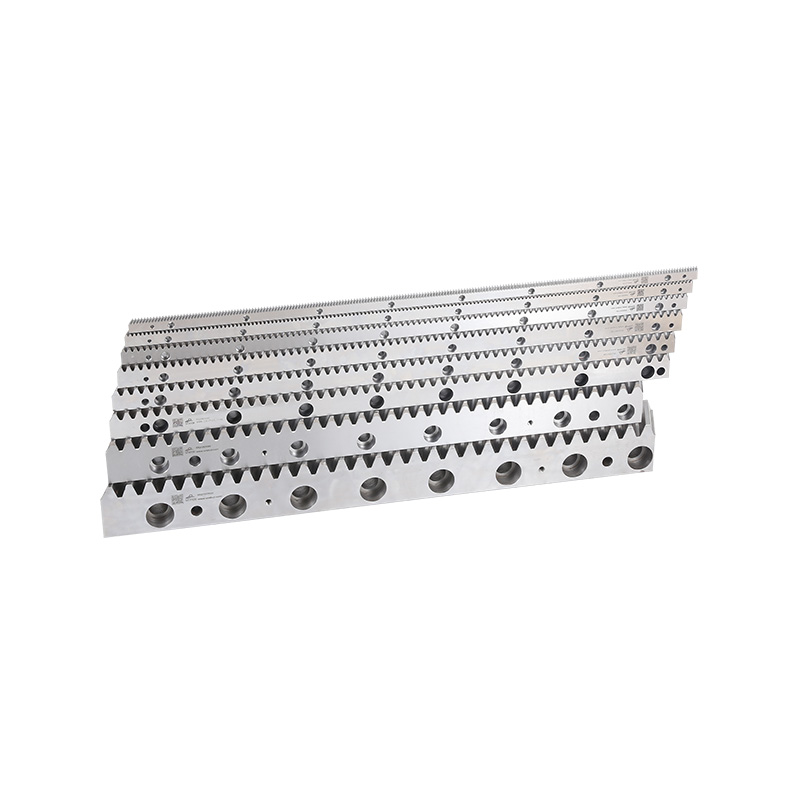
Rack and pinion suppliers connect component manufacturing with practical machine applications. They provide gear racks, pinions, and related products that let equipment designers build or maintain linear motion systems.
Their work usually starts with understanding the intended application. A machine moving a light workpiece carries different needs from a system positioning a large platform. The required movement, installation space, operating environment, and expected duty all shape product selection from the outset.
A supplier can help buyers identify suitable rack profiles, gear arrangements, mounting options, and material choices. These details matter because the rack and pinion need to work together as part of a complete mechanism. Selecting individual parts without considering how they relate can create installation headaches or uneven movement down the line.
Suppliers also help bridge the gap between a product drawing and the actual operating conditions. A drawing shows dimensions and shape, sure, but the application involves additional factors beyond that. The parts may need to operate near dust, moisture, cutting fluids, or other materials that chip away at maintenance and wear over time.
Communication, then, is a genuinely important part of the supply process. Buyers need to explain what the equipment must do, while suppliers need to clarify product limitations and compatibility requirements. This back-and-forth can flag potential issues well before components reach the assembly stage.
A rack and pinion supplier doesn't control every aspect of machine performance, worth noting. Installation, alignment, lubrication, operating conditions, and maintenance all still matter plenty. But supplying suitable components alongside clear product information gives equipment manufacturers a sound basis for building a reliable motion control arrangement.
Industrial automation depends on controlled movement, full stop. Equipment may need to move a cutting head, position a worktable, transfer materials, or guide a machine carriage along a defined path. Rack and pinion systems offer a practical way to turn a rotating drive into that linear movement.
In an automated machine, the motor turns the pinion. The pinion's teeth engage with those on the rack, driving the connected assembly along a straight path. When the drive reverses direction, the movement reverses too. This arrangement lets the machine position components without relying on rotating motion alone.
Rack and pinion mechanisms turn up across several types of automated equipment — cutting machines, assembly systems, packaging equipment, material handling units, industrial positioning devices. The design of each system really comes down to the movement required and the structure of the machine itself.
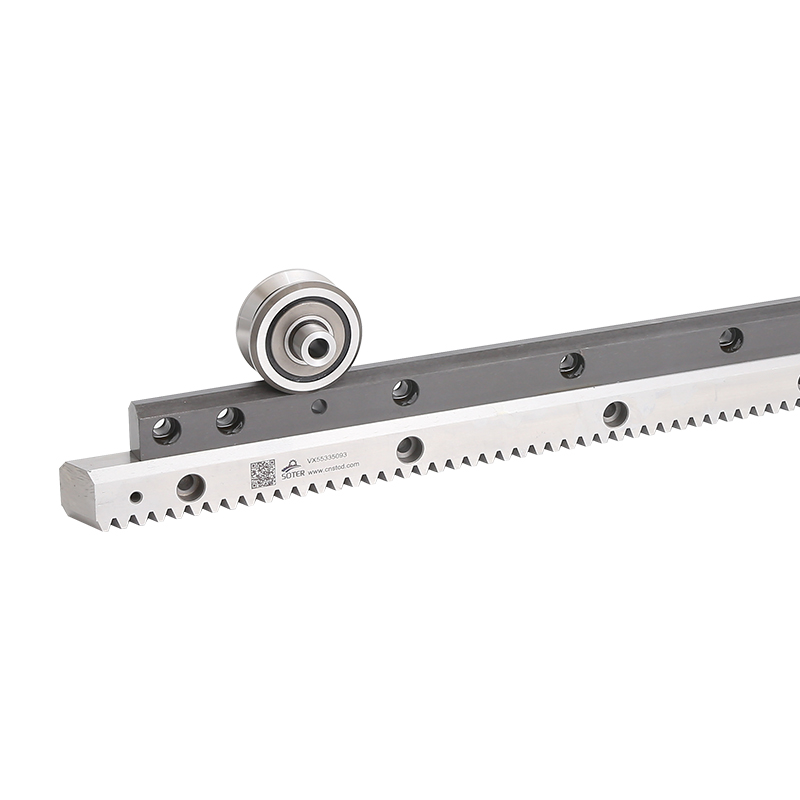
Suppliers support these applications by offering products suited to different installation layouts and operating needs. Some machines need a short movement range packed into a compact assembly. Others call for a longer rack arrangement running the length of a machine bed. The rack's mounting method and the pinion's connection to the drive both need to suit the equipment design at hand.
Automation also places real demands on repeatable movement. If a machine needs to follow the same path through repeated operations, the motion system needs to behave predictably every time. The rack and pinion contribute to this, sure, but the overall result also comes down to the drive, control system, mechanical support, and installation quality working together.
A supplier who genuinely understands the application can help buyers assess how the components fit into the wider mechanism. This cuts the risk of choosing parts that prove difficult to install or unsuitable for the intended movement. It also helps manufacturers plan a motion system around the machine's actual needs rather than selecting components in isolation.
Rack and pinion components need to fit together and work with the rest of the machine. Compatibility shapes assembly, movement, wear, and ongoing maintenance alike. A mismatch can cause uneven contact between the teeth, unwanted noise, or real difficulty hitting the required movement.
The relationship between rack and pinion is one piece of this puzzle. Their tooth forms and dimensions need to match up. The mounting arrangement also needs to keep both components in correct position during operation. If the rack installs unevenly or the pinion doesn't engage properly, the system won't move the way it's supposed to.
Compatibility stretches beyond just the two main components, too. The pinion needs to connect with a suitable drive arrangement, while the rack needs to attach securely to the machine structure. Nearby parts need enough room for movement and maintenance alike. A product that fits its own drawing perfectly can still turn out unsuitable if it clashes with the wider assembly around it.
This is exactly why buyers should hand over clear application information when reaching out to a supplier. Useful details cover the equipment type, movement direction, available installation space, material being moved, and expected working environment. Drawings or existing component information help clarify the requirements further.
For replacement projects, the original part shouldn't get identified by appearance alone. Two components can look nearly identical while differing in tooth form, mounting details, or intended application. Checking the relevant product information helps avoid ordering a part that simply can't work with the existing mechanism.
Suppliers can help by confirming product details and flagging information that might be missing from the initial request. They can also explain when a standard component suits the application just fine and when it genuinely needs further evaluation.
Clear communication doesn't erase every engineering challenge, sure, but it helps buyers make decisions grounded in the actual system. Product compatibility deserves consideration before purchasing — not treated as a problem to sort out during installation after the fact.
Material selection shapes how rack and pinion components respond to loads, repeated contact, and environmental conditions over time. The right choice really depends on the machine's purpose, the forces involved, and the conditions the mechanism operates under.
Steel shows up commonly in rack and pinion components for applications demanding mechanical strength and resistance to wear. Different types of steel carry different properties, so the choice should reflect the intended use specifically. Surface treatment and heat treatment can also shape how a component performs through repeated operation.
Other materials might suit applications with different requirements entirely. A system built for lighter movement or a particular operating environment, for instance, might use components chosen for specific weight, corrosion, or maintenance considerations. No single material suits every machine out there.
Manufacturing quality matters right alongside material choice too. The shape of the teeth, the consistency of the finished surface, and the accuracy of the component's geometry all shape how rack and pinion actually engage. If the teeth don't contact the way they're supposed to, the mechanism can produce uneven movement or chew through unnecessary wear.
A supplier's product information helps buyers understand what materials and manufacturing methods are actually available. Where the application carries special requirements, buyers may need to ask about corrosion protection, surface condition, inspection practices, or suitability for the operating environment in question.
The surrounding machine shapes material requirements too. Equipment running in a clean indoor setting faces quite different conditions from machinery exposed to moisture, dust, or abrasive particles. The choice should account for both normal operation and whatever conditions crop up during cleaning or maintenance.
Manufacturers should steer clear of choosing components based on material names alone. A suitable selection weighs the complete operating situation — load, movement, exposure, maintenance practices, all of it together. Suppliers can support this by explaining product characteristics and helping buyers compare options against the intended use.
Not every motion control system runs on a standard arrangement. Some machines carry unusual mounting spaces, extended movement paths, special connection points, or requirements that diverge from common equipment designs. In these cases, buyers may need a supplier willing to discuss custom component requirements directly.
Customization can touch the rack's length, mounting features, material, surface treatment, or relationship with other machine parts. The pinion might also need matching to an existing drive arrangement. What's actually possible comes down to the supplier's manufacturing capabilities and the application's real needs.
A custom request usually starts with a clear description of the problem at hand. Buyers can hand over drawings, reference components, installation details, or information about the existing mechanism. These materials help the supplier understand which features are fixed and which can flex.
It's worth distinguishing between a custom component and a completely new motion system. In some projects, a modified rack or pinion fits the existing design just fine. In others, changes to the mounting structure, drive arrangement, or surrounding components turn out necessary too. Discussing these relationships early helps set a realistic scope before work begins.
Suppliers may also need to clarify how the component will actually get produced, inspected, and delivered. A part built for a single machine carries different requirements from one intended for repeated production runs. Clear drawings and agreed product requirements help both sides stay consistent through manufacturing.
Customization brings practical trade-offs along with it too. A special design might solve an installation problem neatly, but it can affect replacement options, production planning, and future maintenance down the road. Buyers should think through how the component will be serviced and whether a replacement can actually be obtained when the time comes.
For this reason, communication should keep going well beyond the initial inquiry. Changes to design, material, or installation arrangement deserve review before production moves forward. A supplier who asks the right questions and explains available options genuinely helps buyers weigh the practical implications of a custom request.
Supplier selection involves a lot more than comparing product descriptions or purchase prices side by side. Buyers need to understand whether a supplier can actually provide components matching the application and support the purchasing process clearly throughout.
Several factors can guide this evaluation.
| Evaluation factor | What buyers should check |
|---|---|
| Product range | Whether the supplier offers rack and pinion types suited to the intended machine |
| Product information | Whether drawings, material details, and mounting information are available |
| Quality practices | Whether inspection and production procedures are explained clearly |
| Customization | Whether the supplier can discuss non-standard dimensions or installation needs |
| Communication | Whether questions receive clear and relevant responses |
| Supply arrangements | Whether production planning, packaging, and delivery requirements can be discussed |
| After-sales support | Whether the supplier can assist with product identification or replacement inquiries |
Product range makes a useful starting point. A supplier might focus on a particular type of rack, pinion, or industrial application specifically. Buyers should check whether that range actually matches the components their equipment needs.
Quality information deserves real consideration too. Rather than leaning on broad claims, buyers can ask how products get inspected and what documentation is actually available. Clear answers make it a lot easier to understand what's being supplied and how it relates to the application requirements.
Communication reveals plenty about how well a supplier grasps the request. If a buyer hands over a drawing, the supplier should be able to flag the key product details needing confirmation. If information's missing, asking focused questions helps head off misunderstandings before they compound.
Supply arrangements deserve attention too. Equipment manufacturers might need a single replacement component, a small batch for a new project, or recurring deliveries for ongoing production. A supplier's ability to discuss these needs clearly helps buyers plan their purchasing activities with confidence.
How much weight each factor carries shifts by project, worth noting. A standard replacement might hinge on careful product identification alone, while a new machine design often involves a lot more discussion around compatibility and customization. Buyers should evaluate suppliers against their actual requirements rather than running the same checklist regardless of the application at hand.
Motion components stay in contact throughout operation, which makes maintenance a genuine part of their service life. Rack and pinion systems can run into wear, contamination, misalignment, or shifts in mounting conditions over time. These issues can affect movement and deserve addressing through proper inspection and maintenance.
Suppliers can help buyers understand the care requirements tied to the products they provide. Depending on the component and application, this might include guidance on lubrication, cleaning, corrosion protection, inspection, and replacement. The machine manufacturer's own instructions should stay the main reference for maintaining the complete equipment, though.
Lubrication helps cut friction between contacting surfaces when the product design calls for it. The correct method really depends on the component, operating environment, and manufacturer's guidance. Too little lubrication can speed up wear, while an unsuitable lubricant introduces other problems entirely.
Contamination can throw off the mechanism too. Dust, chips, and other particles can collect around the teeth and interfere with smooth engagement. Equipment running in machining or material processing environments often needs particular attention to cleaning and protective measures.
Alignment deserves a check whenever movement turns uneven or unusual noise shows up. A rack that's shifted from its intended position may no longer engage correctly with the pinion. Mounting hardware and surrounding supports should get examined too if the mechanism shows any signs of movement or looseness.
Replacement planning is another area where supplier support genuinely helps. Identifying the correct part before a failure actually happens can cut down delays when maintenance becomes necessary. Keeping product drawings, part descriptions, and purchasing records on hand makes future identification a lot smoother.
Suppliers won't perform maintenance on the machine itself, naturally, but they can provide product information that supports maintenance planning. Buyers should clarify what assistance is actually available when selecting a supplier — especially where the motion system is part of equipment needing regular servicing.
Machine designs keep diversifying as manufacturers develop equipment for different products, layouts, and production methods. Motion components need to fit into these designs while staying practical to install, operate, and maintain. This creates a real need for closer coordination between equipment designers, purchasing teams, and component suppliers alike.
Digital drawings and electronic communication make exchanging product information a lot easier during selection. Buyers can share design files, compare component details, and clarify mounting requirements before placing an order. When both sides work from the same information, misunderstandings become a lot less likely.
The ability to identify components accurately proves particularly useful for equipment maintenance and upgrades. Older machines sometimes use parts that are genuinely hard to identify from appearance alone. Drawings, product records, and clear descriptions help suppliers figure out whether a suitable replacement exists or whether further assessment is needed first.
Machine integration also pushes buyers toward thinking of components as part of a complete movement system. A rack and pinion needs to work with the drive, support structure, guides, and control arrangements all together. Suppliers who understand these relationships can help clarify product requirements, even though the final system design stays the equipment manufacturer's responsibility.
Supply planning is another important piece of modern equipment development. Manufacturers often need to coordinate component availability with assembly schedules, installation work, and maintenance plans. Early communication about expected orders and delivery requirements helps both supplier and buyer plan their responsibilities clearly.
These shifts don't erase the need for careful product evaluation, though. Digital files can't replace physical inspection where inspection's genuinely required, and a drawing can't fully capture every operating condition out there. Buyers still need to confirm product compatibility, material suitability, and installation requirements themselves.
The supplier's role, in the end, is both practical and collaborative. Providing the correct rack and pinion components matters enormously, sure, but clear product information, responsive communication, and real coordination with the buyer's application needs shape the purchasing process just as much.
Related Products

If you have cooperation intention, please leave a message for us or use the following ways to contact us.We will reply to you as soon as possible and provide you with more sincere service, thank you.
Production
QR Code
Call Us :
+86-13758631128
E-mail :
sttc@cnstcd.com
Add :
31 piazza road, ruoheng town, wenling city, taizhou city, zhejiang province, China.
Copyright © by Zhejiang Soter Transmission Technology Co., Ltd. Rights Reserved.

China Rack And Pinion For Sale

 English
 中文简体
 Español
 русский