Jun 26, 2026
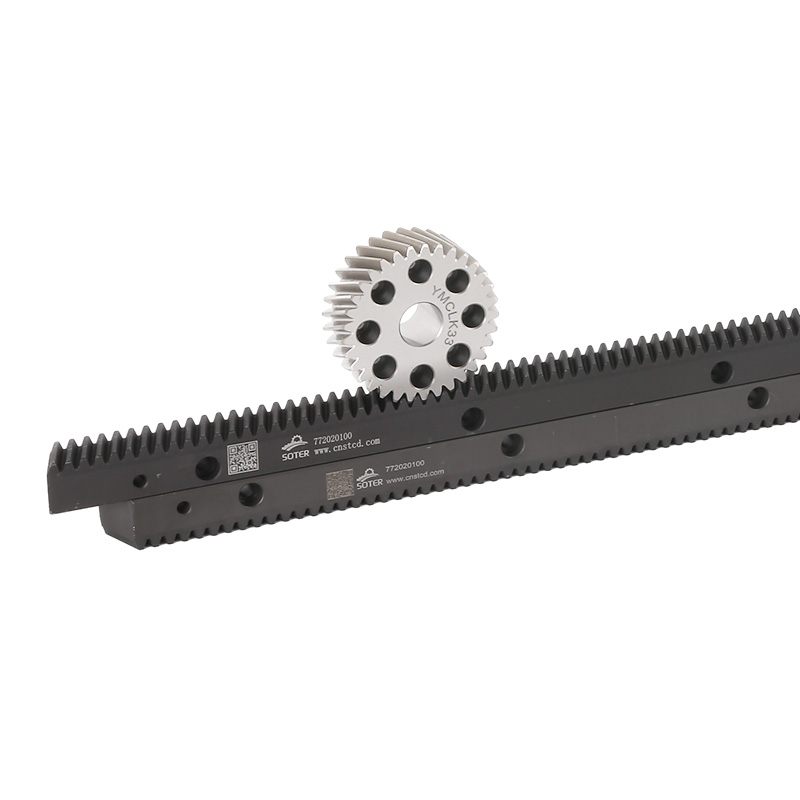
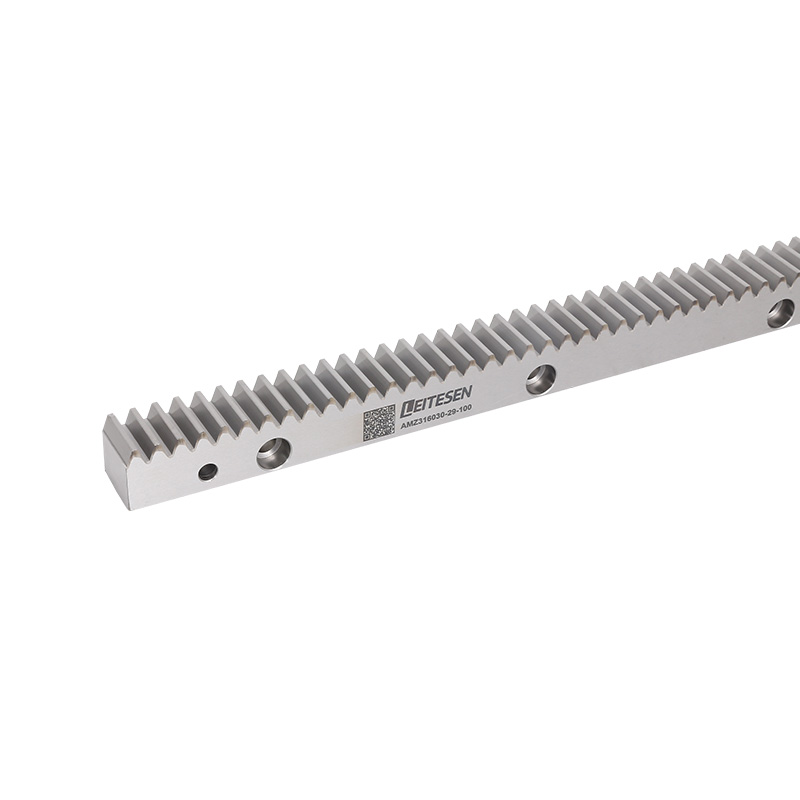
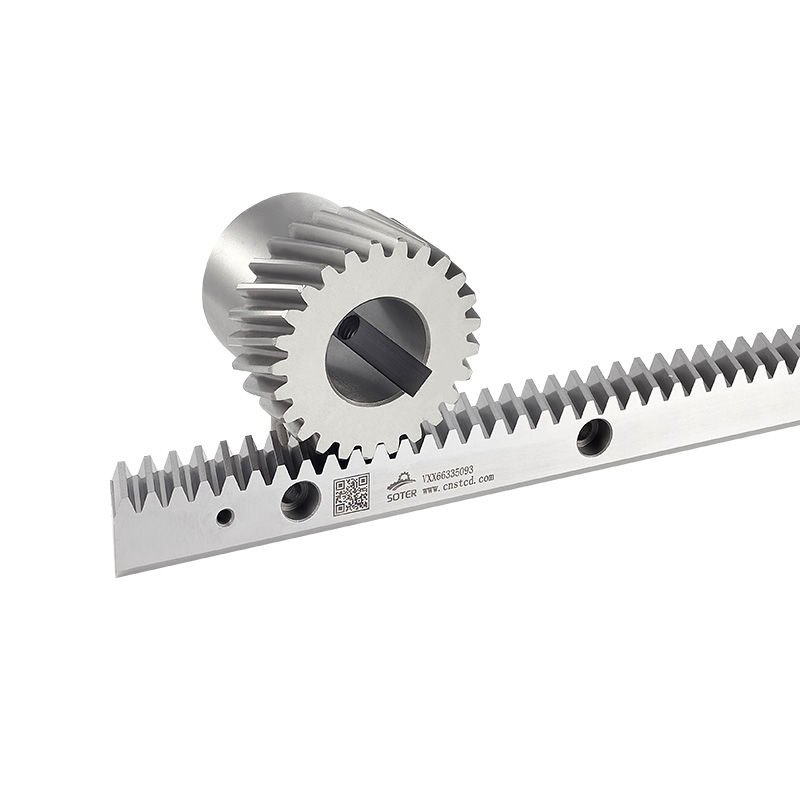
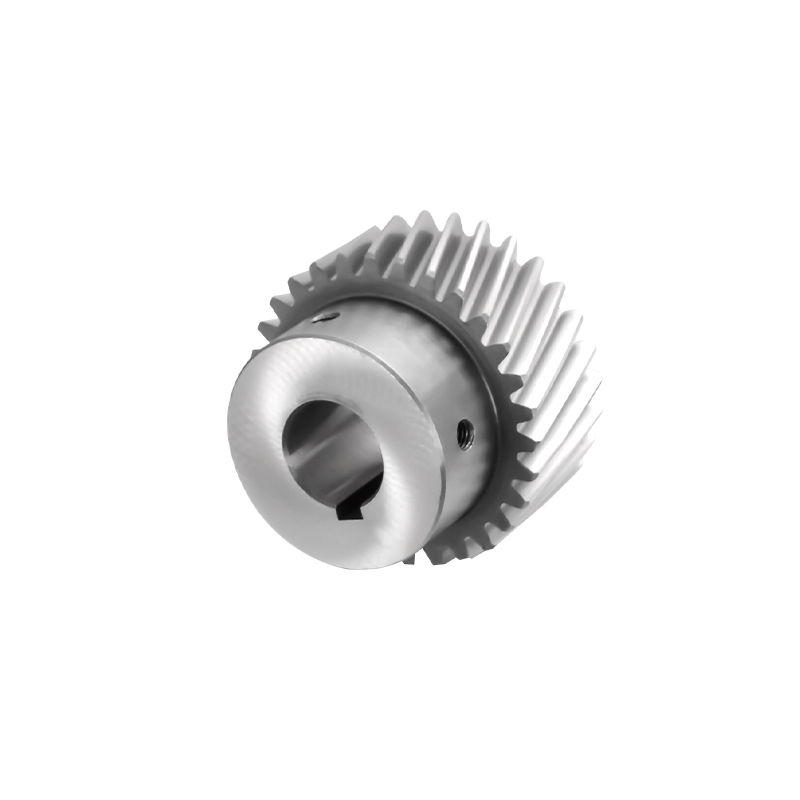
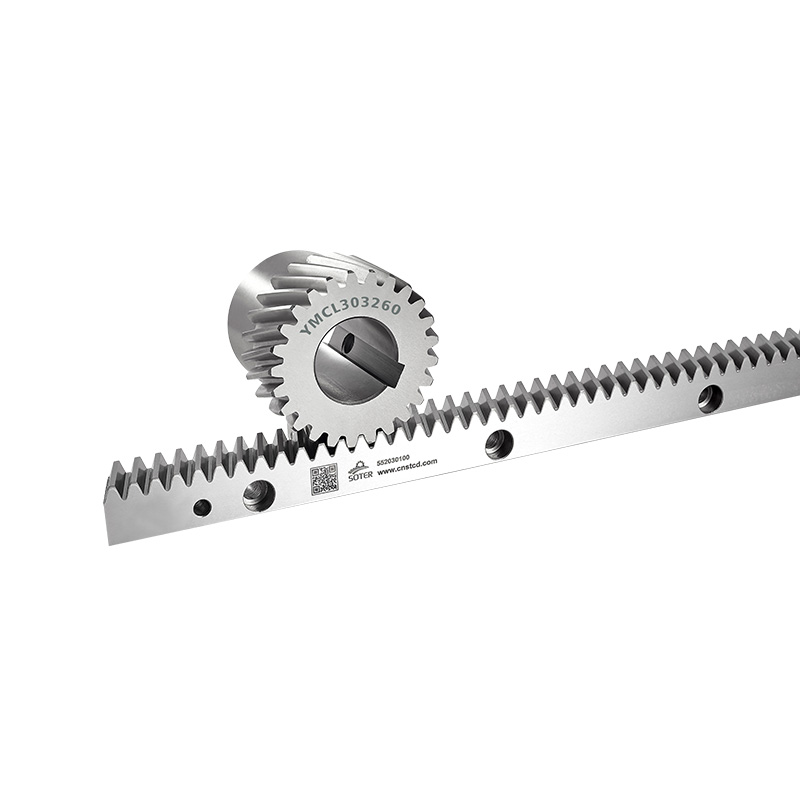
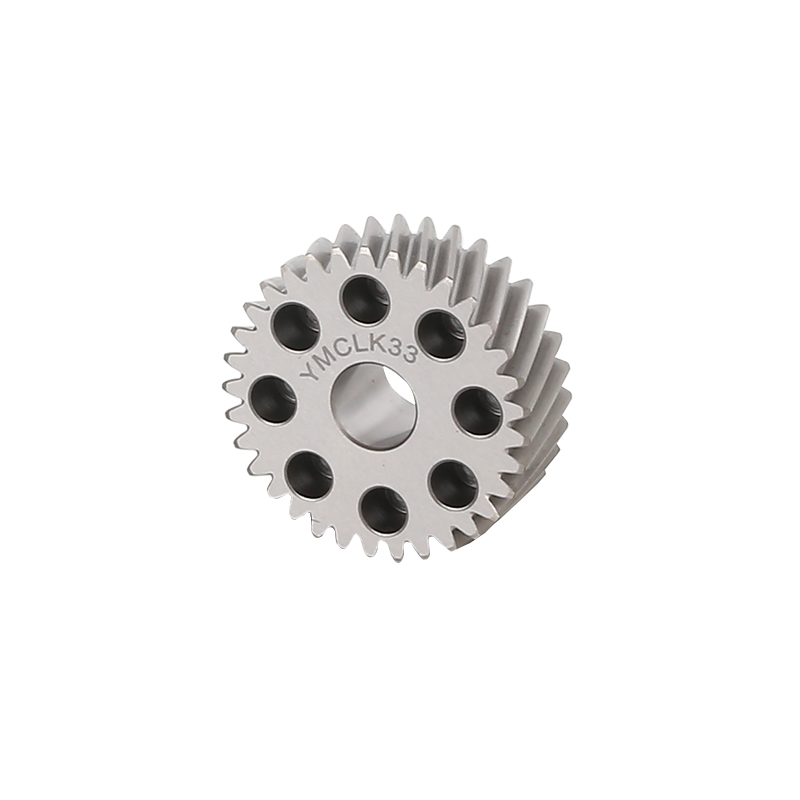
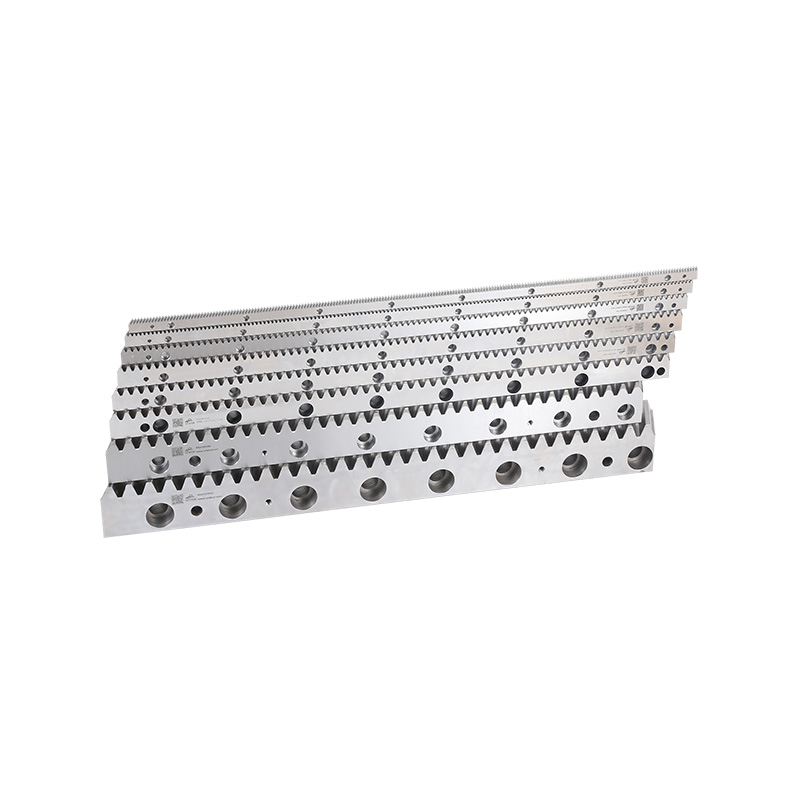
Stainless steel rack and pinion systems often sit in places where motion needs to stay controlled while the environment is not always gentle. The idea is simple. A rotating motion is turned into a straight line movement. But the situations where this setup is used are rarely simple.
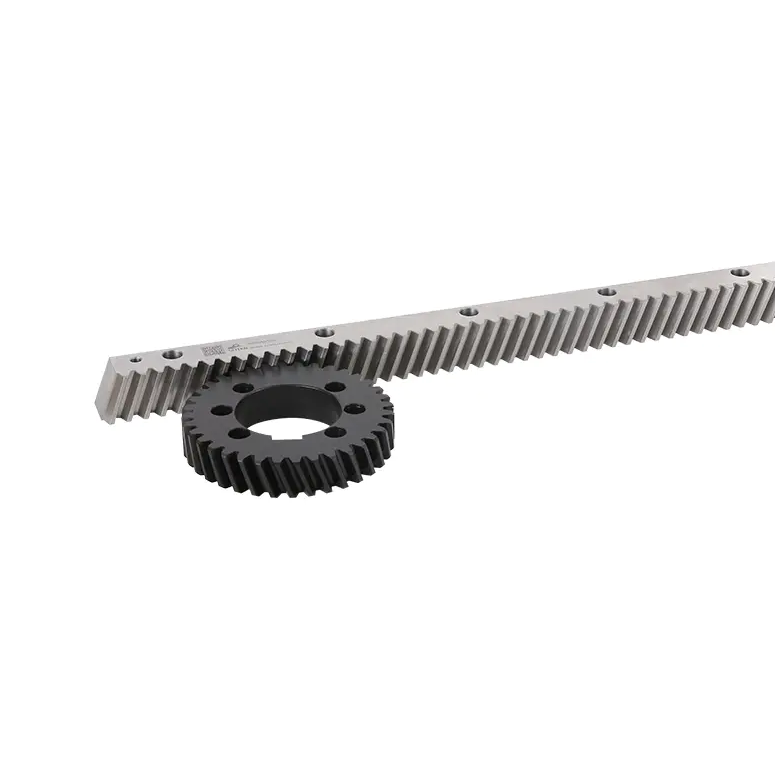
Many industrial environments involve moisture, dust, repeated load changes, or exposure to cleaning processes. In these conditions, ordinary transmission parts may gradually lose stability. Rack and pinion systems are chosen because they can keep their movement behavior more consistent over time, even when surroundings are not stable.
The use of stainless steel is not only about appearance or surface quality. It is more about how the system behaves after long exposure to stress and changing conditions. That behavior becomes the reason these systems appear in many different industrial fields.
In industrial settings, movement systems rarely operate in controlled indoor conditions alone. They may face humidity, frequent cleaning, temperature shifts, or airborne particles.
A rack and pinion system made from stainless steel responds differently under these conditions. The surface tends to remain more stable when exposed to moisture. Movement does not easily become irregular due to surface changes.
There is also the question of repeated operation. Many machines do not move once or twice. They move continuously across long periods. When motion is repeated, small changes in surface condition can influence accuracy. Stainless steel helps keep these changes slower and more predictable.
It is not about eliminating wear completely. That is not realistic. The focus is on keeping wear behavior steady enough so the system does not drift out of expected motion patterns too quickly.
Material handling systems rely heavily on controlled movement. Loads may shift. Direction may change. Timing may need to stay consistent across repeated cycles.
In these systems, Rack and pinion setups are often used to guide linear motion paths. They help moving parts stay aligned during transport or positioning tasks.
The environment can be rough. Dust may collect. Surfaces may need frequent cleaning. Equipment may run for long hours without interruption. In such cases, stable motion behavior becomes more important than complex control.
A rack and pinion system provides a clear movement path. Stainless steel helps keep that path consistent when external conditions start to fluctuate.
| Application Area | Movement Role | Environmental Factor |
|---|---|---|
| Conveying systems | Linear transfer motion | Dust exposure |
| Loading platforms | Position adjustment | Frequent use |
| Transfer units | Directional movement | Continuous operation |
| Sorting mechanisms | Repeated motion cycles | Mixed environments |
Each of these systems depends on movement that does not shift unexpectedly. Even small changes in alignment can affect flow. Stainless steel construction helps reduce that risk.
Automation systems depend on repetition. The same movement is performed again and again. There is little room for variation in how far or how fast a component moves.
A rack and pinion system is often used to convert controlled rotation into linear travel inside these setups. When stainless steel is used, the system tends to maintain more stable behavior during long operating cycles.
In automated environments, interruptions are not ideal. A small deviation in movement can affect downstream processes. That is why consistency matters more than raw force.
Stainless steel helps reduce surface instability that might appear after continuous use. It does not change the function of the system. It supports the system in keeping its motion pattern predictable.
Over time, this predictability becomes important. Machines that behave consistently are easier to coordinate within larger production flows.
Outdoor equipment introduces a different set of challenges. Moisture levels may change. Temperature shifts are common. Surfaces may be exposed to wind or airborne particles.
In these conditions, movement systems need to remain functional without frequent adjustment. Rack and pinion systems are often used in positioning mechanisms where linear movement must remain stable despite environmental variation.
The rack and pinion design itself supports clear directional control. The stainless steel structure helps maintain that control when external conditions are less predictable.
Outdoor systems may include positioning platforms, adjustable frames, or guided movement assemblies. In each case, the goal is the same. Movement should remain smooth even when the environment changes.
In environments where cleaning is frequent, mechanical systems face repeated exposure to moisture and cleaning agents. Movement components need to remain stable under these conditions.
Rack and pinion systems are often used in equipment that requires regular washing or sanitation. The material choice helps the system maintain consistent movement behavior even after repeated cleaning cycles.
In these setups, smooth motion is not only about performance. It is also about reducing interruptions caused by maintenance.
When movement components remain stable, equipment can return to operation more quickly after cleaning. That supports workflow continuity in environments where downtime needs to stay limited.
The rack and pinion mechanism itself also provides predictable linear motion, which is helpful when precise positioning is needed during handling or transfer tasks.
Marine-related environments introduce constant exposure to moisture and air movement. Mechanical systems in these areas often face gradual surface changes due to long-term contact with water and humidity.
Rack and pinion systems are commonly used in positioning and adjustment mechanisms within marine equipment setups. Their role is to keep linear movement stable even when external conditions remain challenging.
Movement systems in these environments are not always under heavy load. Instead, they need to maintain consistent motion behavior over long periods without significant variation.
The use of stainless steel supports this requirement by reducing the speed at which surface changes affect performance. This helps keep motion predictable, even in changing environmental conditions.
In many industrial uses, the focus is not on how strong a system is, but on how repeatable its movement behavior is.
A precision rack gear manufacturer system is often part of a chain of motion control. If one part of the system behaves inconsistently, the entire sequence can be affected.
Stainless steel rack and pinion systems are valued because they help maintain steady movement behavior across repeated cycles. This consistency becomes more important than load capacity in many applications.
Once a system begins operating in a predictable pattern, other components can be designed around that behavior. This reduces uncertainty in motion planning.
In practice, predictable movement often leads to fewer adjustments during operation. That is why consistency is often prioritized over strength in these environments.
Maintenance is a practical concern in many industrial environments. Systems that require frequent adjustment or repair can interrupt workflow.
Rack and pinion systems tend to be selected in setups where maintenance access is limited or where cleaning cycles are frequent. The goal is to reduce how often movement stability is affected by surface condition changes.
When maintenance intervals are extended, mechanical systems must remain stable for longer periods. Stainless steel helps support that requirement by keeping surface behavior more consistent over time.
It does not remove the need for maintenance. It simply helps reduce how quickly performance changes appear between maintenance cycles.
In environments where equipment runs continuously, this stability becomes an important factor in system planning.
Some industrial systems are not complex in design, but they require stable and repeatable movement.
In these cases, rack and pinion systems are used because they offer a straightforward motion path. There are no unnecessary movement variations. The system behaves in a controlled linear way.
This simplicity is useful in environments where multiple machines need to work together. When each system behaves predictably, coordination becomes easier.
Movement reliability becomes the key factor. Not complexity, not size, but the ability to repeat the same motion pattern under changing conditions.
That is where stainless steel rack and pinion systems continue to appear across different industrial applications, from handling systems to outdoor equipment setups, and from automated lines to hygiene-focused environments.
Share:

If you have cooperation intention, please leave a message for us or use the following ways to contact us.We will reply to you as soon as possible and provide you with more sincere service, thank you.
Production
QR Code
Call Us :
+86-13758631128
E-mail :
sttc@cnstcd.com
Add :
31 piazza road, ruoheng town, wenling city, taizhou city, zhejiang province, China.
Copyright © by Zhejiang Soter Transmission Technology Co., Ltd. Rights Reserved.

China Rack And Pinion For Sale

 English
 中文简体
中文简体
 Español
 русский