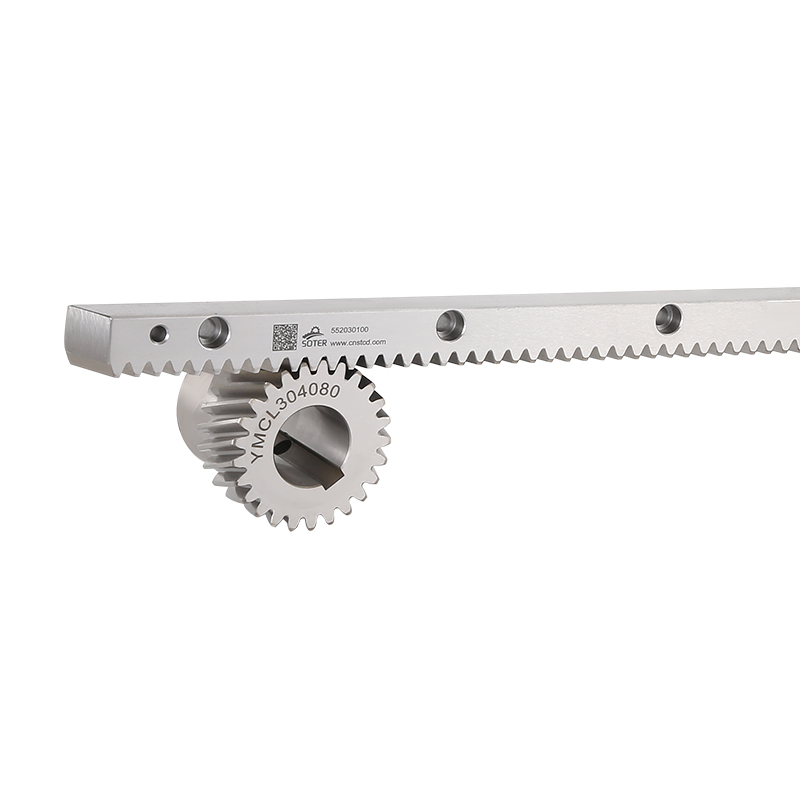
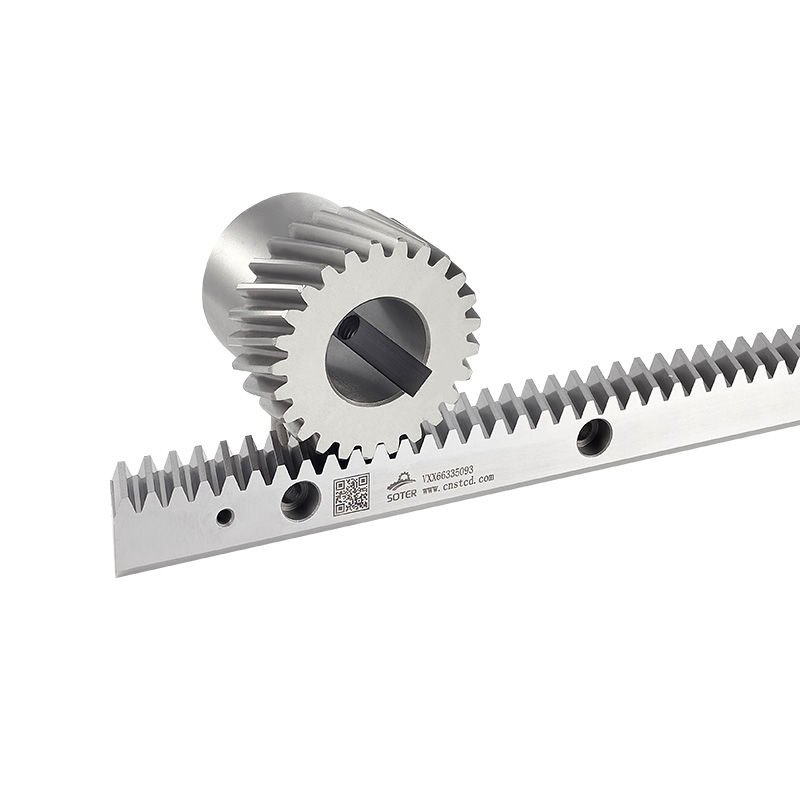
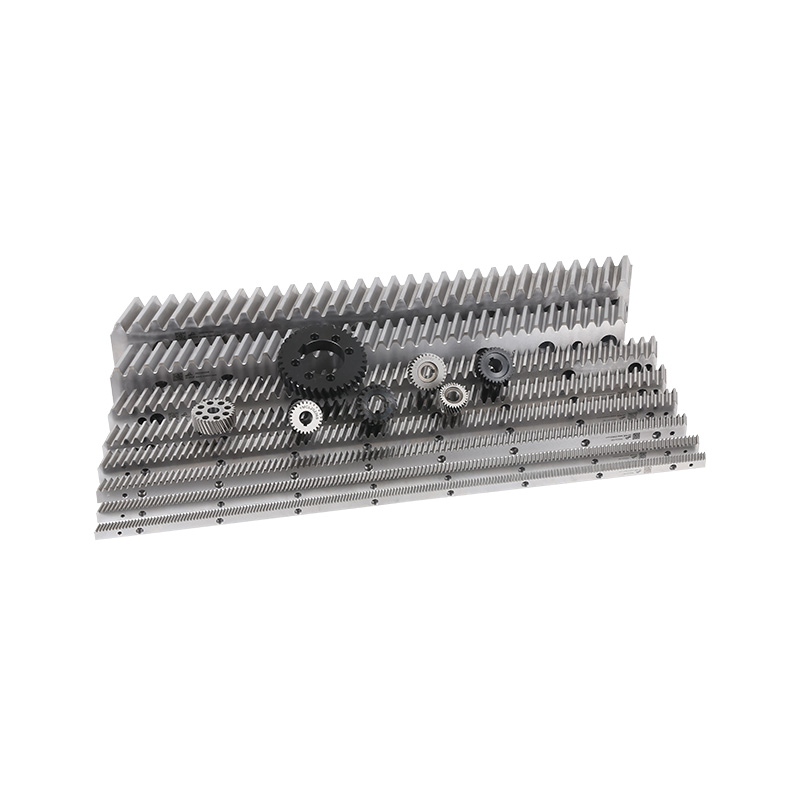
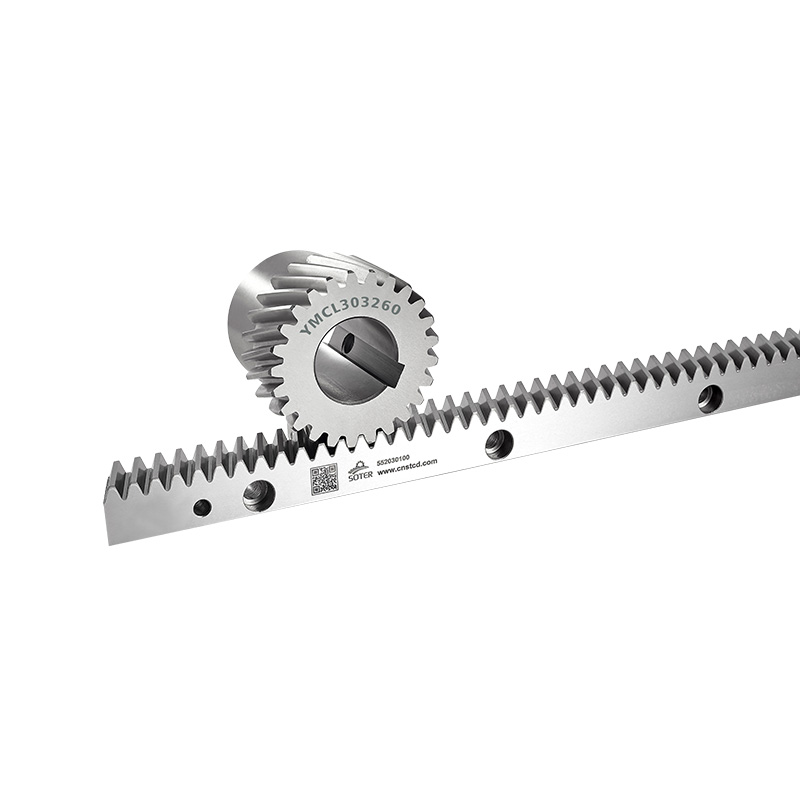
Metal Rack And Pinion systems are widely used in industrial automation, robotics, CNC machinery, and material handling equipment.
Selecting the right rack and pinion configuration is critical to achieving the desired linear motion, precision, and durability.
One of the important considerations is the system’s operating speed, which affects performance, wear, and safety.
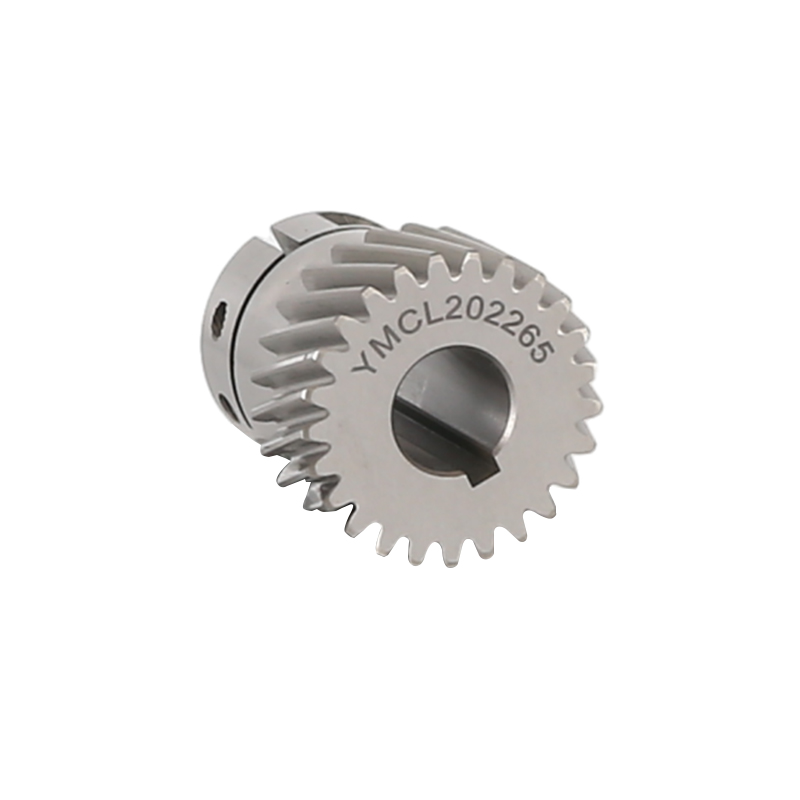
Understanding Operating Speed and Its Impact
- Operating speed refers to the linear velocity of the rack or rotational speed of the pinion in a given application.
- High-speed motion can increase friction, heat generation, and wear on both the teeth and supporting structures.
- Low-speed operation may reduce efficiency if the gear profile and materials are not matched to the load and motion requirements.
- Selecting a suitable rack and pinion requires evaluating speed in combination with load, duty cycle, and environmental factors.
Material Considerations for Speed
Metal racks are typically made from steel, stainless steel, or hardened alloys.
High-speed applications:
- Require materials with good wear resistance and low friction coefficients.
- Hardened or case-treated steel is often preferred to maintain tooth integrity under repeated high-speed engagement.
Moderate-speed or heavy-load applications:
- Standard steel or alloy racks may suffice, providing durability and strength without unnecessary cost.
- Lubrication plays a key role in maintaining performance at higher speeds by reducing friction and heat.
Tooth Profile and Module Selection
The tooth profile affects how smoothly the pinion engages the rack.
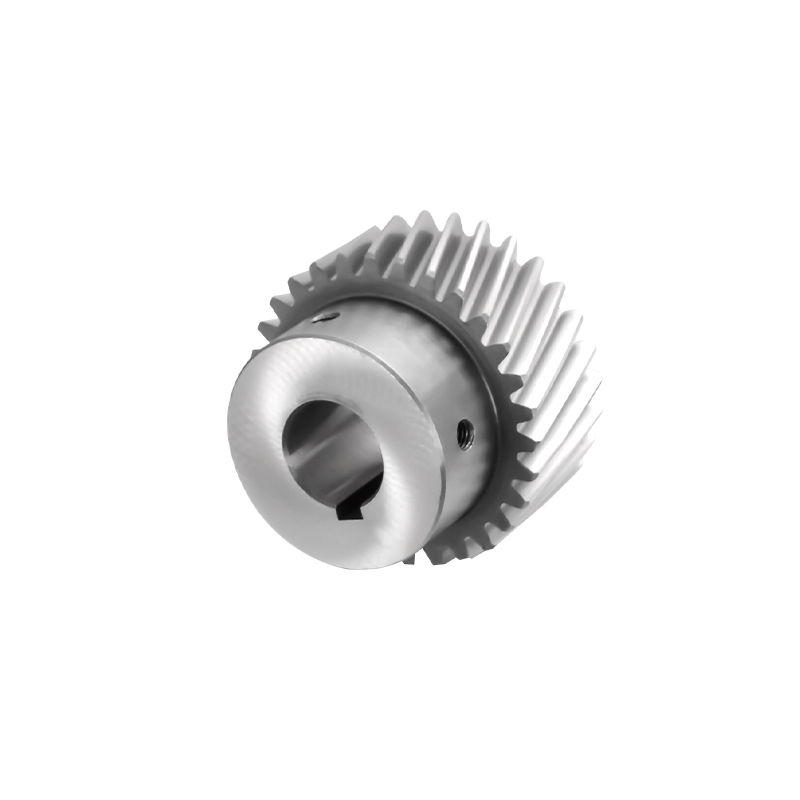
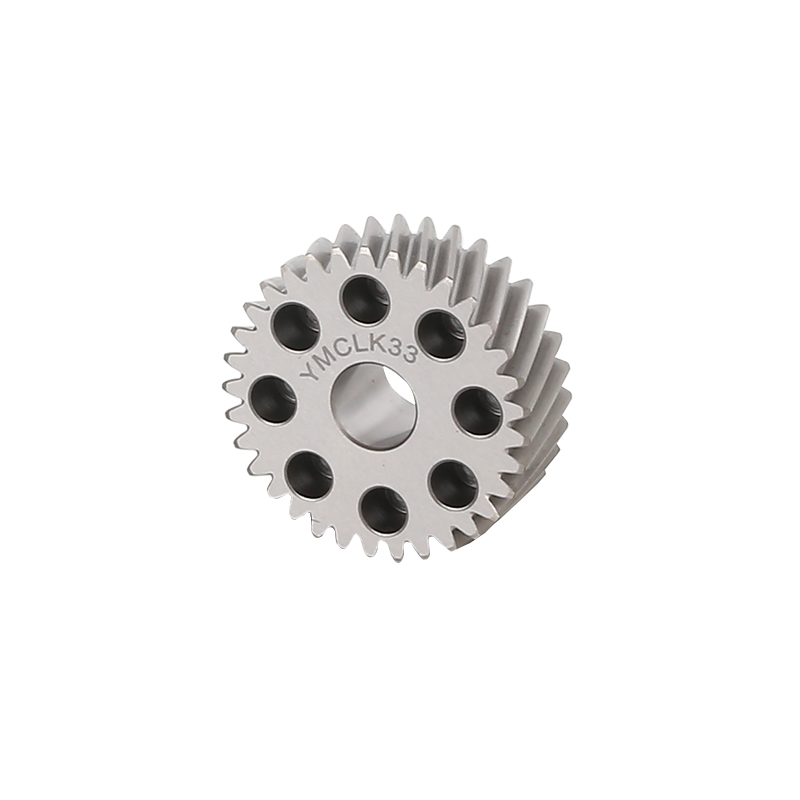
Helical teeth:
- Provide smoother engagement and reduced vibration at high speeds compared to straight teeth.
- Generate axial thrust that must be accommodated in the design.
Straight teeth (spur):
- Simpler to manufacture, more tolerant to alignment errors, and suitable for moderate speeds.
- The module or pitch of the teeth must match the intended speed and load:
- Smaller modules offer finer resolution and smoother motion at high speeds.
- Larger modules handle higher loads but may introduce vibration if the speed is excessive.
Lubrication and Heat Management
- High-speed operation increases friction and heat generation at the tooth contact points.
- Proper lubrication reduces wear, prevents pitting, and maintains operational efficiency.
- Options include grease, oil, or dry-film lubricants, depending on environment, temperature, and maintenance requirements.
- Heat management strategies, such as periodic cooling or heat-resistant coatings, may be necessary for continuous high-speed motion.
Mounting and Alignment Considerations
- Accurate alignment between the rack and pinion ensures smooth motion and prevents excessive backlash or tooth wear.
- High-speed systems are particularly sensitive to misalignment, which can cause vibration, noise, and premature failure.
- Supports, guides, and mounting hardware must be rigid enough to withstand dynamic forces during high-speed operation.
- Continuous monitoring and adjustment may be required in applications with frequent acceleration or deceleration.
Application-Based Recommendations
- High-speed linear conveyors and automation lines:
Prefer helical teeth, hardened steel, precision machining, and robust lubrication.
- Moderate-speed machinery or heavy-load systems:
Straight teeth, thicker modules, and corrosion-resistant materials provide reliability and durability.
- Precision equipment with intermittent motion:
Fine module teeth with smooth surfaces and backlash improve positional accuracy without requiring speed tolerance.
Conclusion
- Choosing the appropriate Metal Rack And Pinion for a given operating speed is critical for efficiency, precision, and longevity.
- Factors to consider include material selection, tooth profile, module size, lubrication, alignment, and heat management.
- High-speed applications demand hardened materials, helical teeth, and careful thermal and lubrication planning.
- Moderate-speed or heavy-load applications prioritize strength, durability, and simplicity.
- Understanding the interplay between speed, load, and system design ensures reliable performance, reduces maintenance, and improves the operational lifespan of the rack and pinion system.



 English
 中文简体
中文简体
 Español
 русский