Introduction to Precision Gear Rack
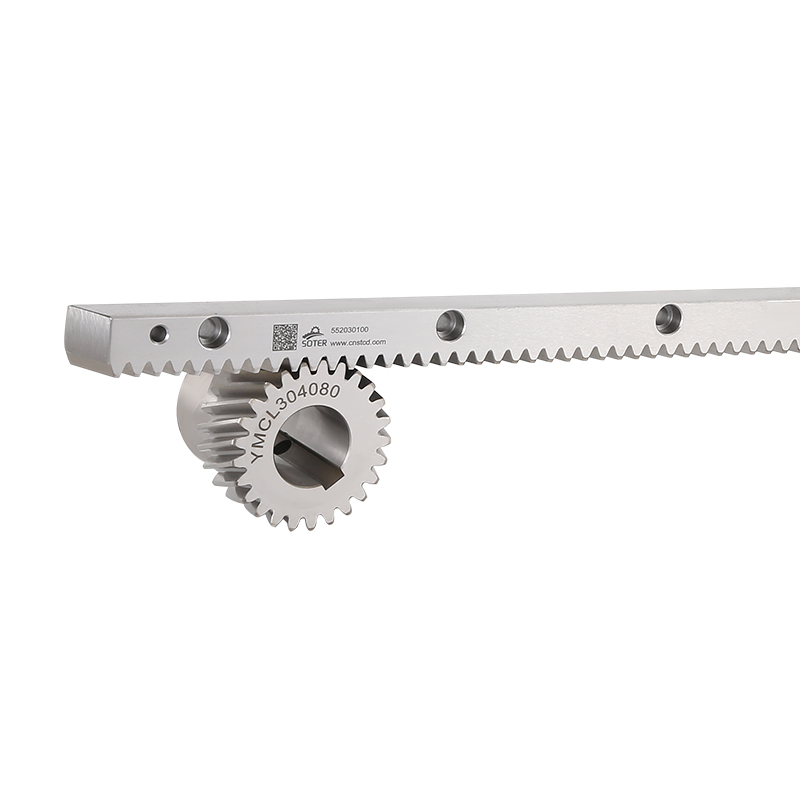
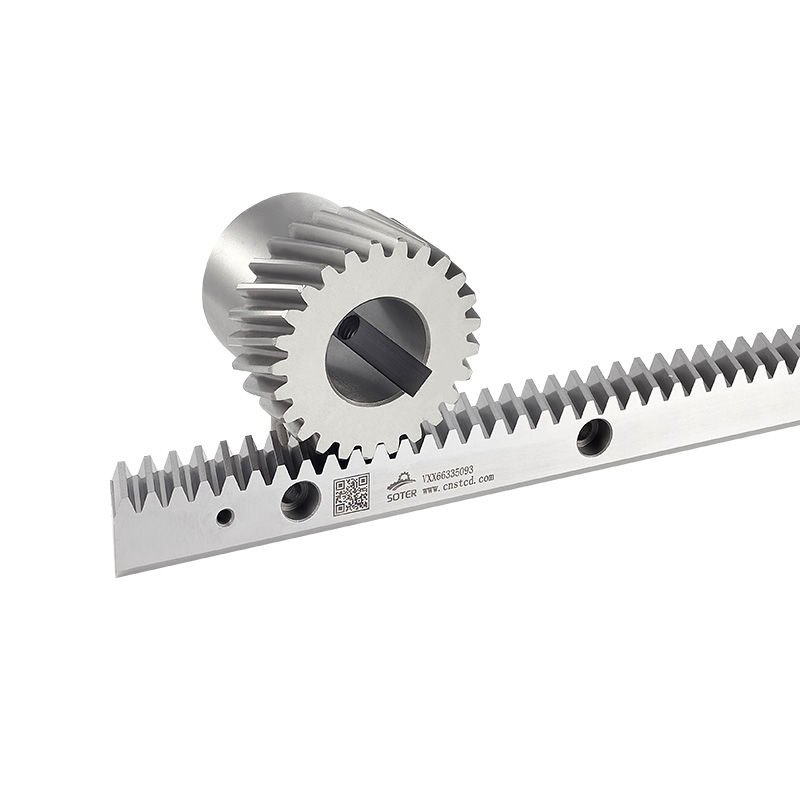
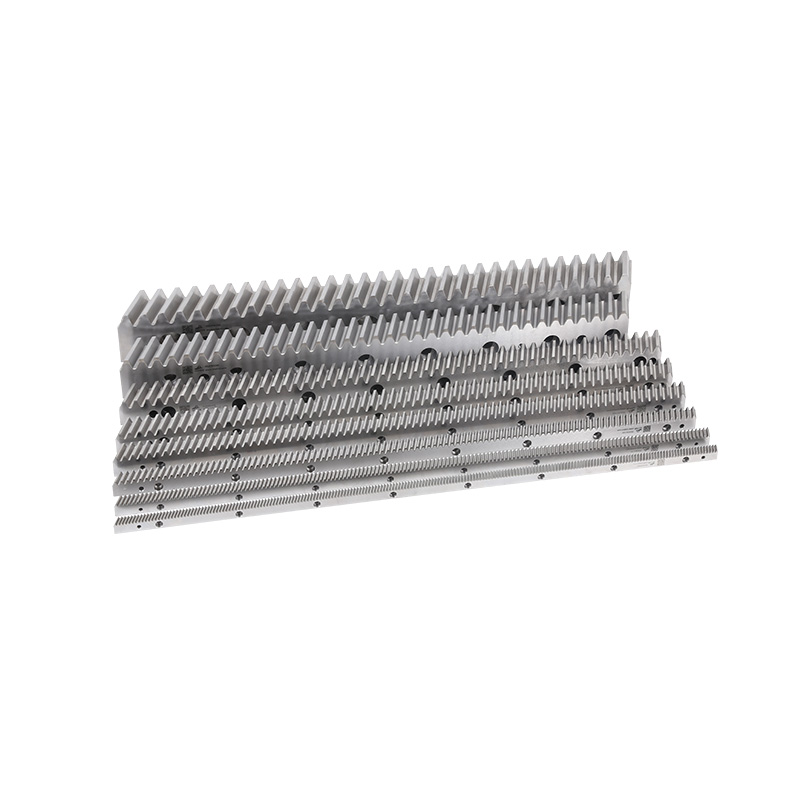
A Precision Gear Rack is a crucial mechanical component widely used in automation, CNC machines, and robotic systems. Its primary role is to convert rotational motion into linear motion with high accuracy. Understanding the basic structure of a gear rack is essential for engineers and designers to ensure suitable performance and durability. The design of the gear rack affects its load-bearing capacity, precision, and compatibility with mating gears.
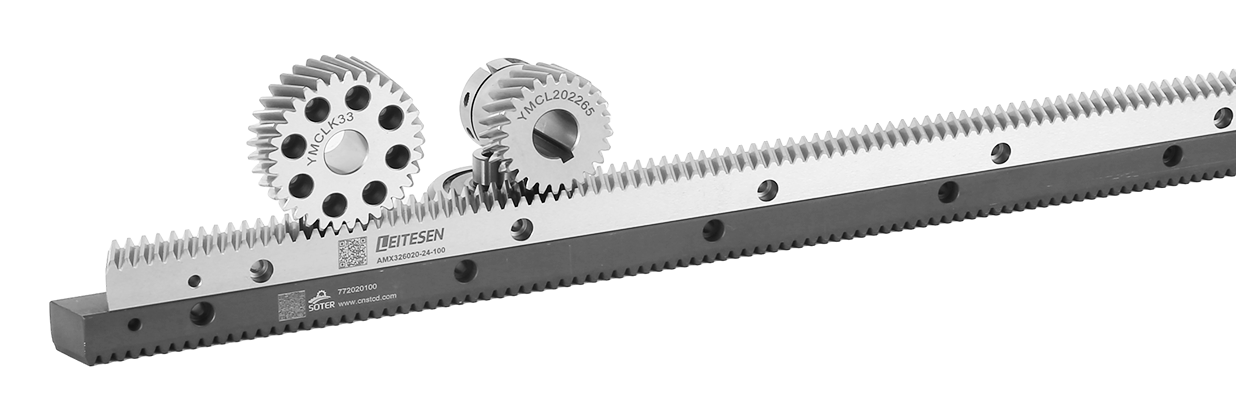
Rack Body
- Material Selection: The body of a gear rack is typically made from high-strength steel, alloy, or sometimes aluminum. Material choice directly impacts rigidity and wear resistance.
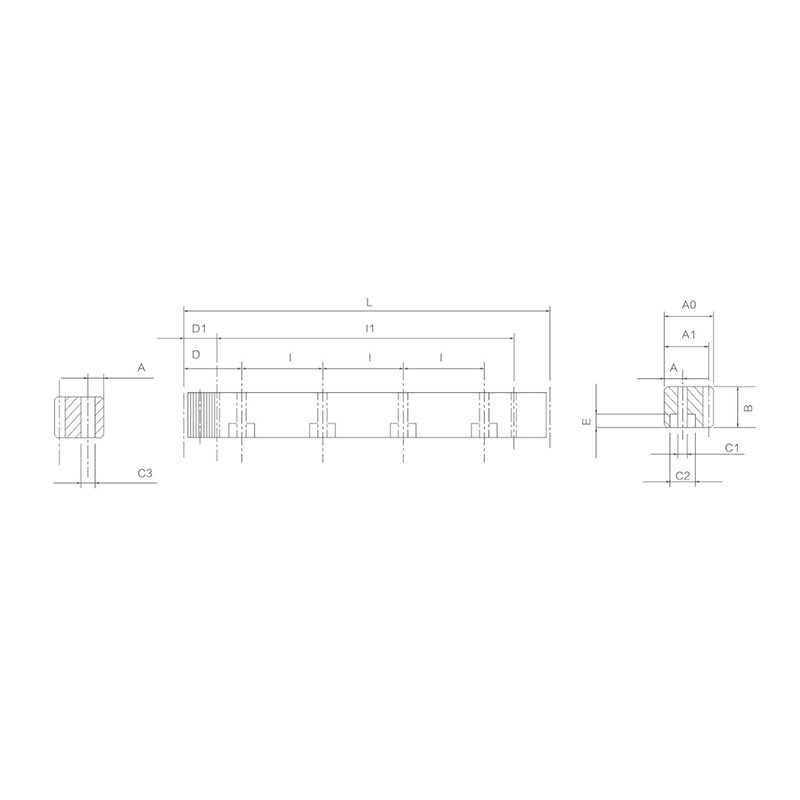
- Shape and Size: The rack body is generally rectangular or square in cross-section, providing a stable base for the teeth. The length, width, and thickness of the body are designed to accommodate specific load and space requirements.
- Surface Treatment: To enhance durability, the rack body may undergo heat treatment, coating, or surface hardening. This improves resistance to corrosion and surface wear.
Gear Teeth
- Tooth Profile: Gear teeth are the critical part of the rack. The profile, often involute, ensures smooth meshing with the pinion.
- Pitch and Module: The pitch determines the distance between teeth, while the module defines the size and scale of the teeth. Precision matching with the pinion is vital to prevent backlash.
- Tooth Hardening: Teeth are often hardened through carburization or induction hardening to increase wear resistance while maintaining dimensional stability.
- Alignment: Proper alignment of teeth along the length of the arch is essential. Misalignment can cause uneven load distribution and accelerate wear.
Mounting Features
- Bolt Holes: Precision racks include pre-drilled holes for secure mounting. These allow the rack to be fastened firmly to a machine frame or guide rail.
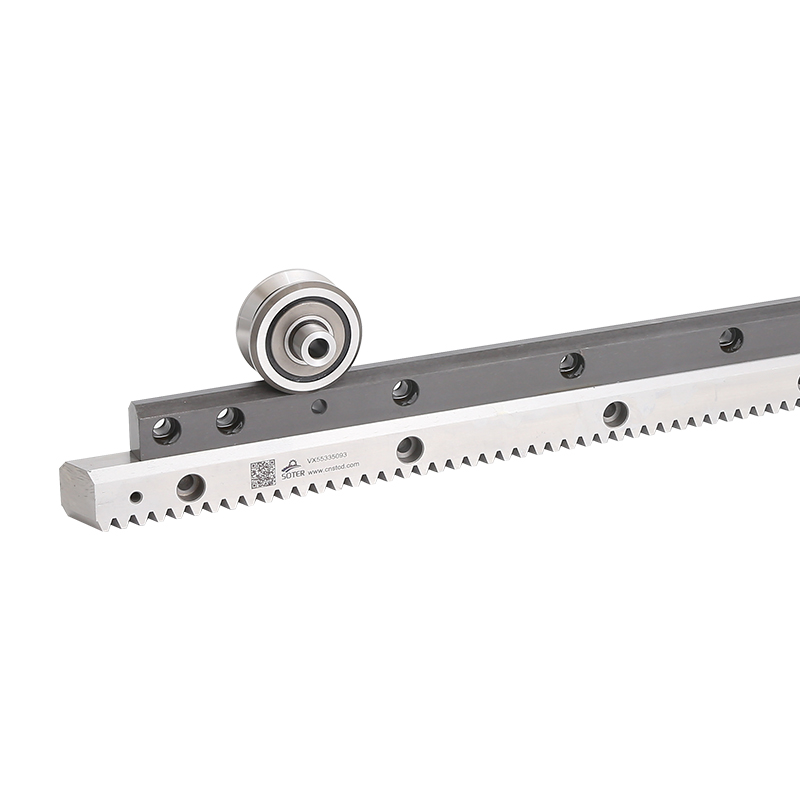
- Reference Surfaces: Flat reference surfaces, or guide faces, are often included to ensure accurate positioning and to support linear guides that maintain the rack’s alignment.
- End Stops: Some racks feature end stops or buffers to limit travel distance and protect the teeth from over-travel damage.
Backing and Support Elements
- Reinforcement Ribs: Certain heavy-duty racks include reinforcement ribs on the back or sides of the body to prevent bending under high load.
- Guide Channels: Integrated guide channels or grooves can be used to stabilize the rack during motion, improving precision in high-speed applications.
- Modular Sections: In long travel applications, precision gear racks may come in modular sections that can be bolted together. Each section maintains consistent tooth alignment to ensure smooth operation over extended distances.
Lubrication and Maintenance Features
- Lubrication Grooves: Some racks include grooves or channels along the teeth to facilitate lubrication. Proper lubrication reduces friction, wear, and heat generation.
- Accessible Surfaces: Design considerations may include accessible surfaces for maintenance tools or inspection to ensure longevity and reduce downtime.
- Protective Coatings: Anti-rust coatings or polymer layers can be applied to protect the rack in challenging environments, such as high humidity or dusty conditions.
The basic structure of a Precision Gear Rack consists of the rack body, gear teeth, mounting features, support elements, and maintenance-friendly design elements. Each component plays a critical role in ensuring smooth linear motion, long-term reliability, and high precision. Understanding these structural elements is essential for selecting the right gear rack for any mechanical application. Proper design, alignment, and maintenance of these components directly affect the efficiency, safety, and lifespan of the mechanical system.



 English
 中文简体
中文简体
 Español
 русский