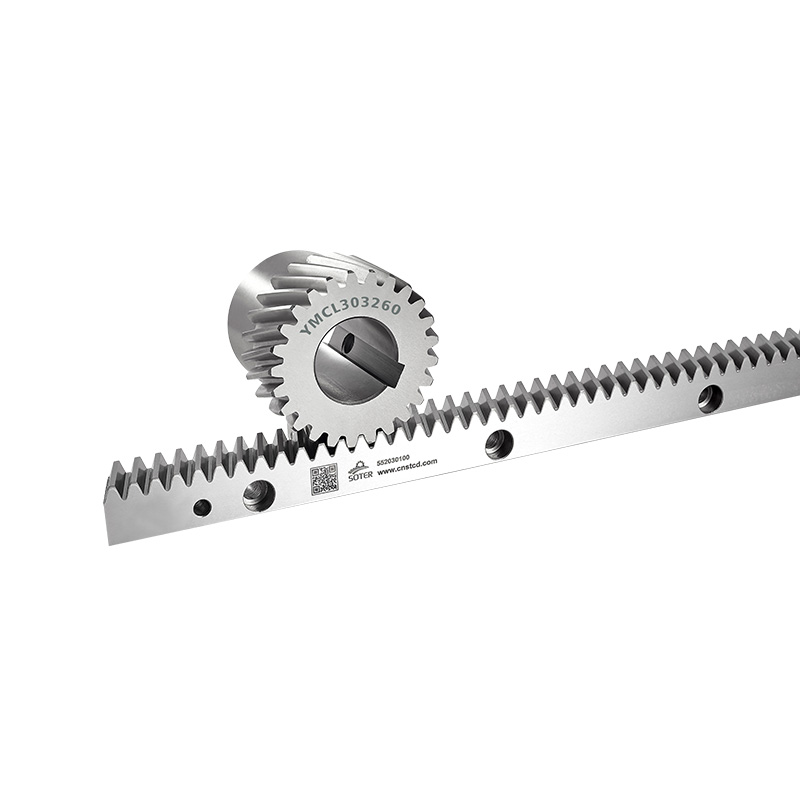
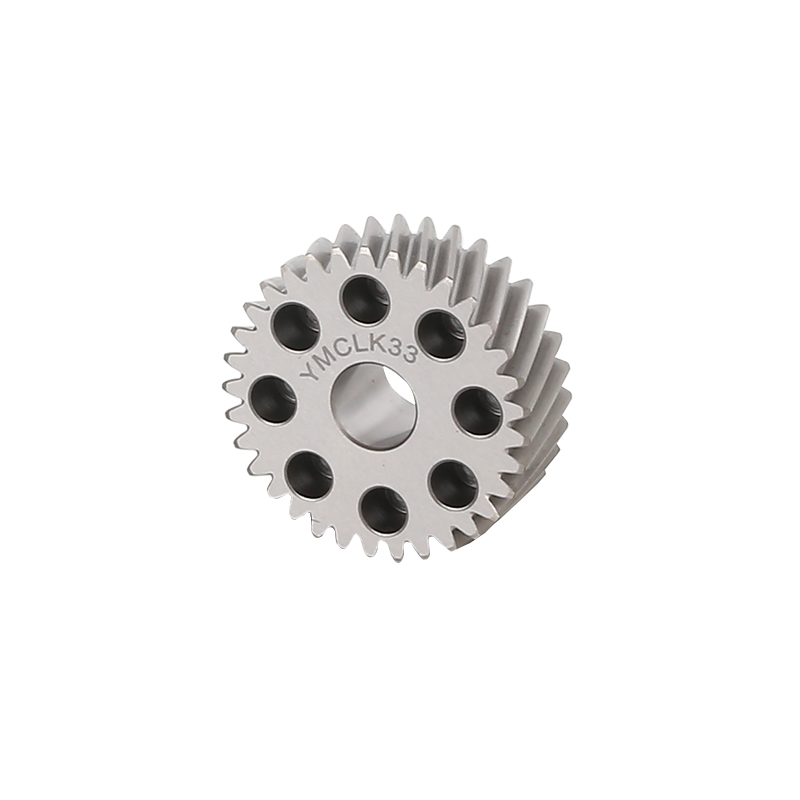
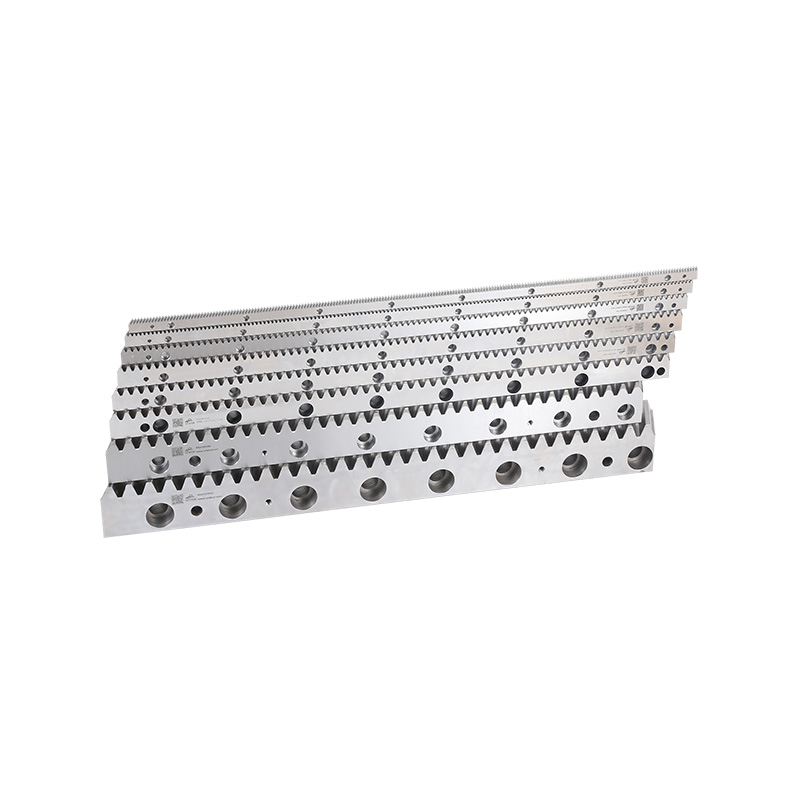
Introduction to Linear Gear Rack Deformation
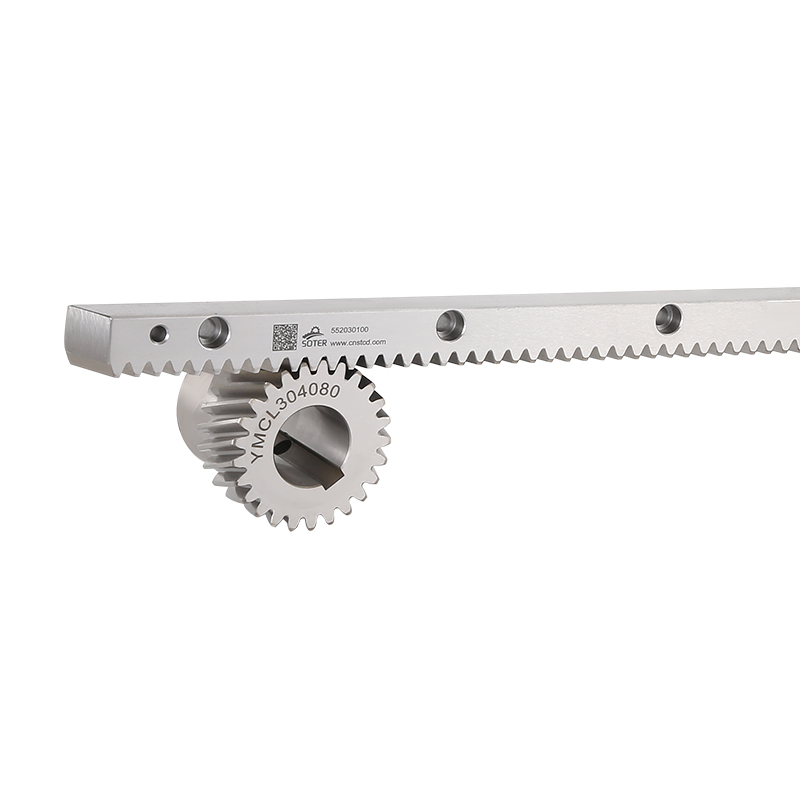
For any Linear Gear Rack Manufacturer, controlling deformation during manufacturing is critical to ensure high precision and reliable performance. Deformation can cause misalignment with the mating pinion, increase wear, reduce efficiency, and cause premature failure. Factors such as material selection, machining techniques, heat treatment, and stress management all play key roles in reducing distortion throughout the production process.
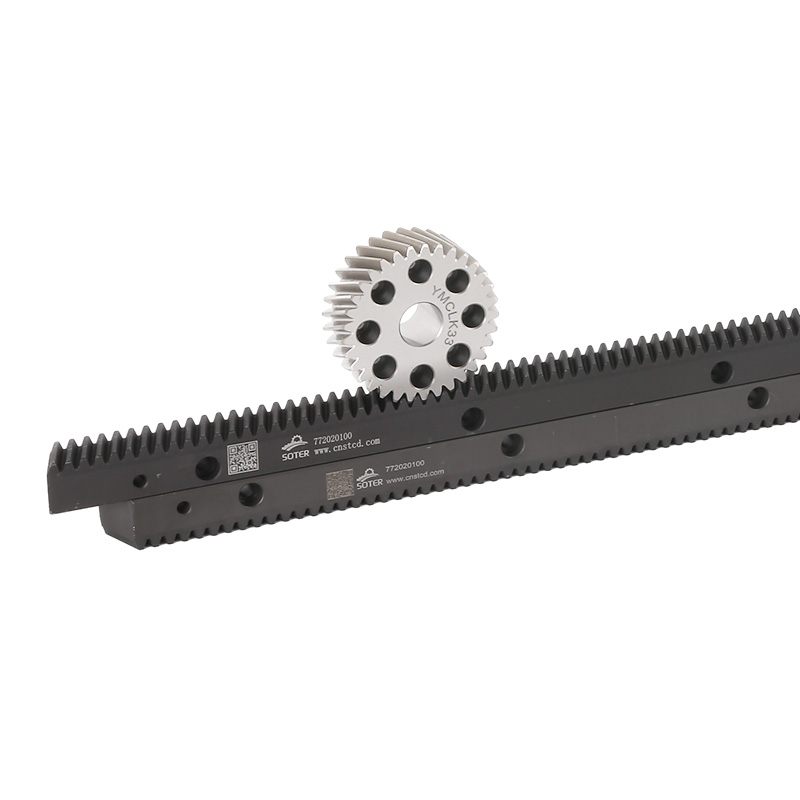
Material Selection for Stability
- High-Quality Steel: Using steel with uniform composition and minimal internal defects reduces residual stresses that can cause bending or warping.
- Pre-Conditioned Materials: Pre-annealed or stress-relieved materials provide better dimensional stability during machining and heat treatment.
- Alloy Considerations: Selecting alloys with controlled thermal expansion properties helps prevent deformation during temperature fluctuations in processing.
Machining Techniques
- Optimized Cutting Parameters: Controlling feed rate, cutting speed, and tool geometry reduces the heat generated and prevents thermal distortion.
- Balanced Material Removal: Removing material symmetrically reduces uneven stress distribution and helps maintain the straightness of the rack.
- Clamping and Fixturing: Proper support during machining prevents bending under cutting forces. Precision jigs and fixtures ensure the rack maintains its intended shape.
Heat Treatment Control
- Uniform Heating: During carburizing, hardening, or induction processes, uniform heating prevents localized expansion that can warp the rack.
- Controlled Cooling: Gradual, uniform cooling reduces residual stresses that cause distortion. Quenching in controlled environments is often necessary for high-precision racks.
- Post-Treatment Stress Relief: Techniques such as tempering or vibration stress relief reduce internal stresses and maintain straightness.
Design Considerations
- Rack Geometry: A thicker back or reinforcement ribs can improve rigidity and reduce susceptibility to bending.
- Segmented Design: For very long racks, modular segments allow for easier stress management and alignment, reducing cumulative deformation.
- Tooth Profile Optimization: Proper tooth depth and shape reduce stress concentration points that could cause localized warping.
Environmental and Handling Factors
- Temperature Control: Maintaining a stable workshop temperature during manufacturing reduces thermal expansion and contraction that may induce deformation.
- Humidity Management: Moisture can cause minor material expansion or surface oxidation, affecting dimensional stability.
- Careful Handling: Avoiding dropping or uneven pressure during storage and transport prevents bending and dents.
Quality Control Measures
- Measurement Tools: Laser interferometers, straightness gauges, and CMM systems detect minute deviations in rack geometry.
- Regular Inspections: Monitoring straightness after each major process step ensures early detection and correction of deformation.
- Corrective Actions: Minor bends can be corrected through controlled mechanical straightening, while severe deformations require reprocessing or rejection.
Lubrication and Coating Considerations
- Temporary Protective Coatings: During storage and handling, anti-corrosion coatings reduce surface stress and prevent minor defects.
- Operational Lubrication: Proper lubrication during initial use reduces friction and bending forces that may develop under load.
- Minimizing Heat Generation: Coatings and lubricants that reduce friction help prevent localized thermal expansion in operation.
Reducing deformation in the manufacturing of a Linear Gear Rack requires a comprehensive approach that includes careful material selection, precise machining, controlled heat treatment, thoughtful design, and diligent quality control. A Linear Gear Rack Manufacturer that applies these practices can produce racks with good straightness, dimensional stability, and long-term reliability. By understanding and mitigating the factors that contribute to deformation, manufacturers ensure smooth operation, efficient load transfer, and enhanced performance in a wide range of industrial applications.



 English
 中文简体
中文简体
 Español
 русский