May 08, 2026
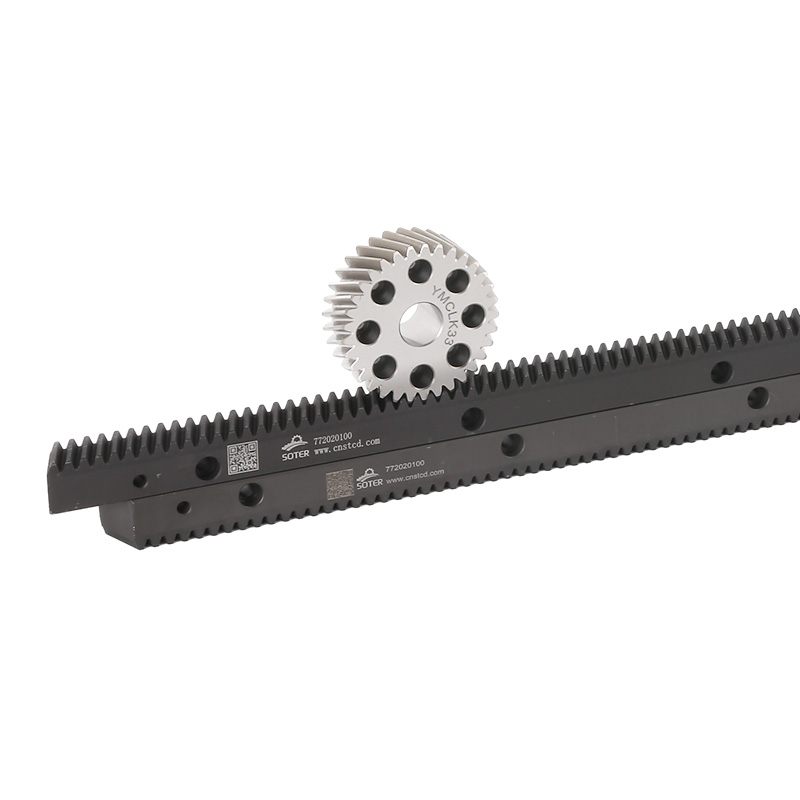
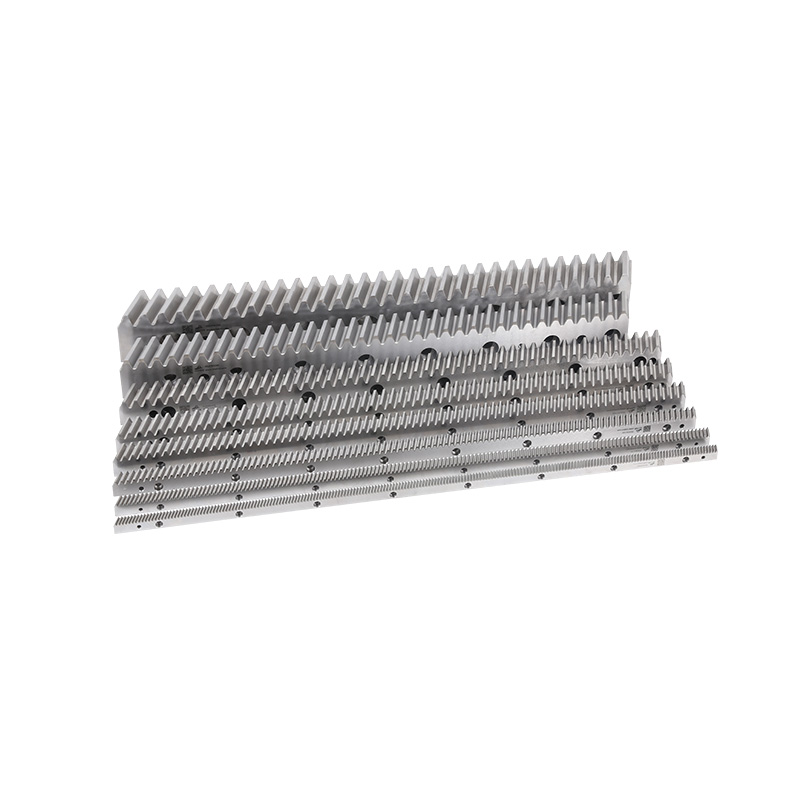
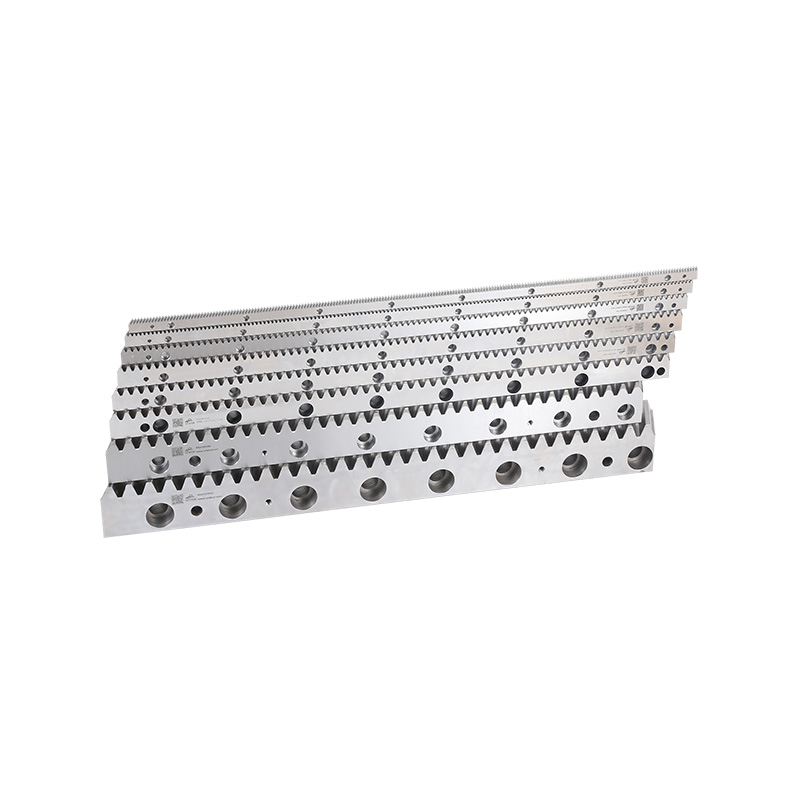
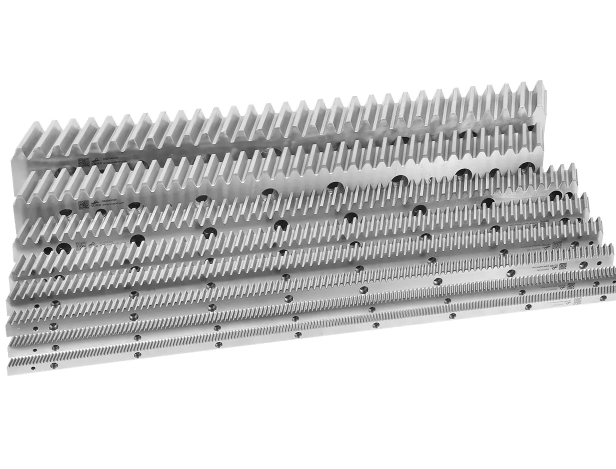
In many mechanical setups, motion needs to be controlled with precision and consistency. A metal rack and pinion system is often used for this purpose. It converts rotational movement into linear motion, supporting a wide range of industrial and mechanical applications.
Over time, like any mechanical structure, it is exposed to wear, dust, friction, and load changes. Maintenance becomes part of keeping the system stable and predictable. It is not about complex procedures. It is more about steady attention and routine care.
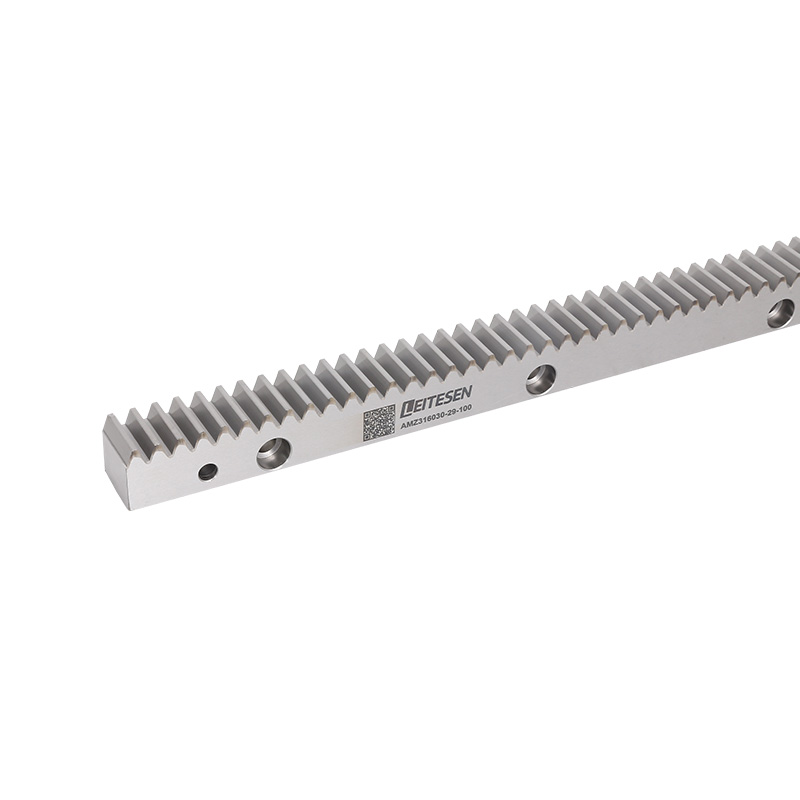
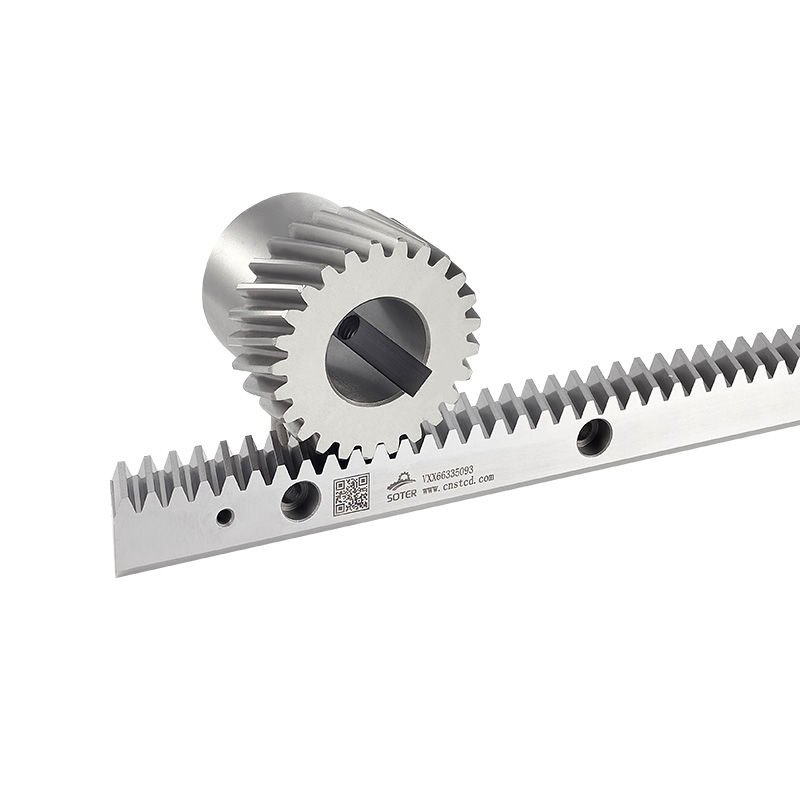
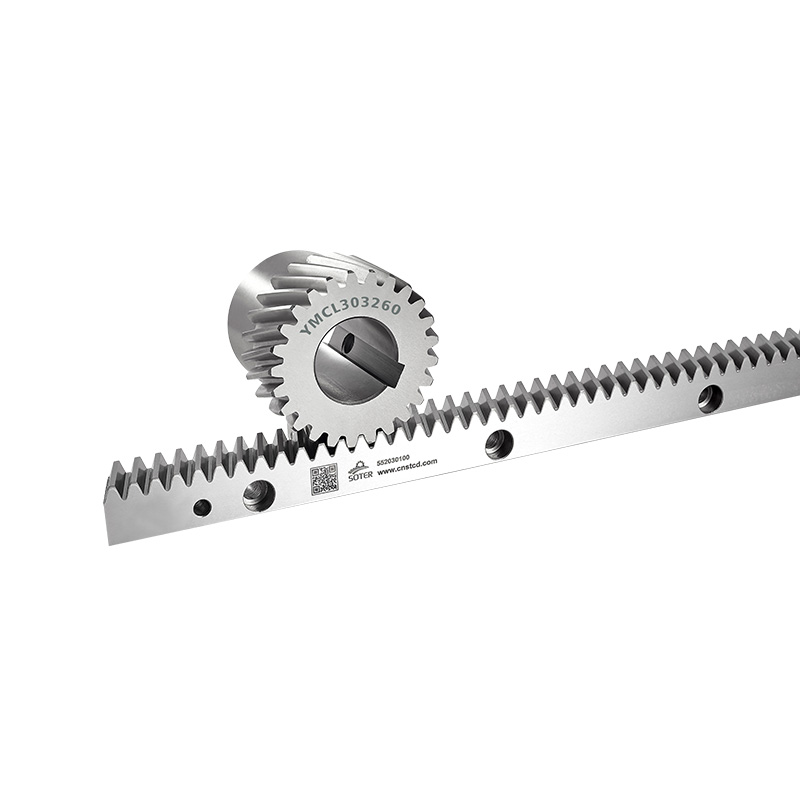
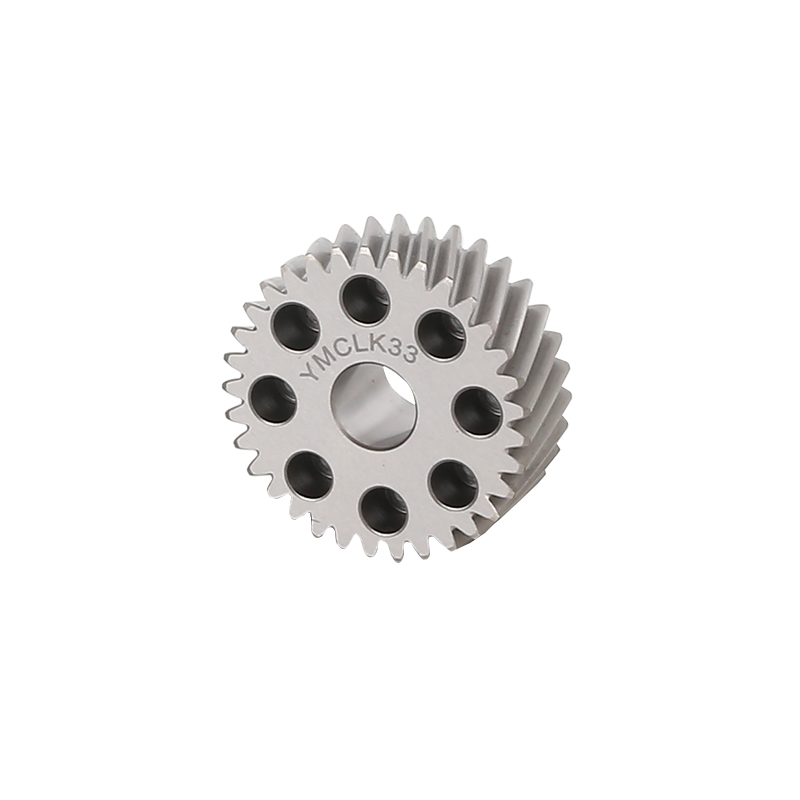
A metal rack and pinion system is made up of two main parts. A straight gear component and a round gear component. When the round gear turns, it moves along the straight gear. This creates controlled movement in a straight line.
This type of system appears in many machines that require directional control. It can be found in lifting equipment, positioning devices, and motion systems that rely on smooth movement.
The metal structure gives it strength. It allows the system to handle repeated use without losing alignment quickly. Still, constant motion brings natural wear, especially where metal surfaces interact.
Understanding this basic structure helps explain why maintenance matters. Each part depends on clean contact and steady alignment to function properly.
Mechanical systems rarely fail suddenly. Changes happen gradually. A slight increase in resistance. A small shift in alignment. A subtle change in movement feel.
In rack and pinion systems, these small changes can affect performance. If not addressed, they may to uneven motion or reduced efficiency.
Maintenance helps slow down this process. It keeps surfaces clean, reduces unnecessary friction, and supports stable contact between moving parts.
In many environments, these systems operate continuously. Without attention, dust or residue can build up. Metal surfaces may begin to lose smooth interaction. Movement may feel less controlled.Routine care helps prevent these issues from developing further.
One of the direct maintenance steps is cleaning. Dust and small particles can settle on exposed parts. Over time, these particles interfere with smooth contact between the rack and pinion.Cleaning removes this layer. It helps restore direct contact between metal surfaces. This improves movement consistency.In some environments, debris may come from surrounding operations. In others, it may come from the system itself during use. Either way, buildup is a natural process.Cleaning does not need to be complicated. It is more about regular attention than deep intervention. Keeping surfaces clear allows the system to move with less resistance.
Metal surfaces that move against each other create friction. In a rack and pinion system, this contact happens repeatedly. Lubrication helps reduce this friction.
A thin layer between surfaces allows smoother movement. It also reduces wear over time. Without it, metal contact becomes harsher, which may affect both sound and performance.
Lubrication also helps protect against environmental exposure. In some cases, it forms a light barrier against moisture or dust.
The key is consistency. Too little may not be effective. Too much may attract unwanted particles. A balanced approach keeps movement steady without creating buildup.
Alignment is often overlooked because it is not always visible. Yet it plays a major role in how a rack and pinion system performs.When components are aligned properly, movement feels smooth and predictable. If alignment shifts, contact between parts may become uneven.
This uneven contact can Find to pressure in certain areas. Over time, this may affect surface condition and movement quality.Checking alignment does not always require complex tools. In many cases, it involves observing how the system moves during operation. Changes in sound, resistance, or direction consistency can signal alignment issues.Correcting alignment early helps avoid further strain on the system.
Wear does not appear all at once. It develops slowly through repeated use. Recognizing early signs helps maintain system stability.
Some common indicators include:
These signs do not always mean immediate failure. They often indicate that maintenance is needed.Ignoring them may allow minor issues to grow. Addressing them early helps maintain consistent performance.
Every system operates under different conditions. Load is one of the important factors. Heavier or uneven loads can increase pressure on contact surfaces.In rack and pinion systems, this pressure may affect how smoothly parts move against each other. Over time, it can influence wear patterns.
Balanced load distribution helps reduce stress. It allows the system to operate within a more stable range.When load changes frequently, maintenance may need to be adjusted accordingly. Systems under higher use often require closer attention.
Inspection is a simple but important part of maintenance. It does not always require disassembly. Often, it involves observing how the system behaves during operation.
A basic inspection may include:
These steps help identify early changes before they develop into larger issues.In many cases, inspection becomes part of regular workflow rather than a separate task. It blends into daily operation.
Surrounding conditions play a quiet but steady role in system performance. Dusty environments may increase surface buildup. Moist conditions may affect metal interaction over time. High-usage environments may accelerate wear.Each condition adds a different type of influence. Maintenance practices often adjust based on these surroundings.
In cleaner environments, attention may focus more on lubrication and alignment. In harsher environments, cleaning may become more frequent.Understanding the working environment helps shape a more suitable care routine.
Maintenance is not a single action. It is a pattern of small steps repeated over time. Cleaning, checking, adjusting, and observing all work together.
A rack and pinion system does not require constant intervention. It benefits more from steady attention than from occasional heavy repair.
When care is consistent, movement remains stable. Contact surfaces stay smoother. Alignment stays closer to intended position.This stability supports the overall function of the machine or system in which it is used.
In many industrial and mechanical settings, reliability depends on these small routines. Not on large adjustments, but on quiet, repeated actions that keep movement steady and predictable.
Share:
Related Products

If you have cooperation intention, please leave a message for us or use the following ways to contact us.We will reply to you as soon as possible and provide you with more sincere service, thank you.
Production
QR Code
Call Us :
+86-13758631128
E-mail :
sttc@cnstcd.com
Add :
31 piazza road, ruoheng town, wenling city, taizhou city, zhejiang province, China.
Copyright © by Zhejiang Soter Transmission Technology Co., Ltd. Rights Reserved.

China Rack And Pinion For Sale

 English
 中文简体
中文简体
 Español
 русский