Jul 17, 2026
Movement defines how machines work. In many industries, the way motion is transferred shapes efficiency, consistency, and user experience. A quiet shift is taking place. More designers are looking beyond familiar transmission methods. Precision rack and pinion systems are now part of that conversation. They are not new, yet their role feels different in modern settings.
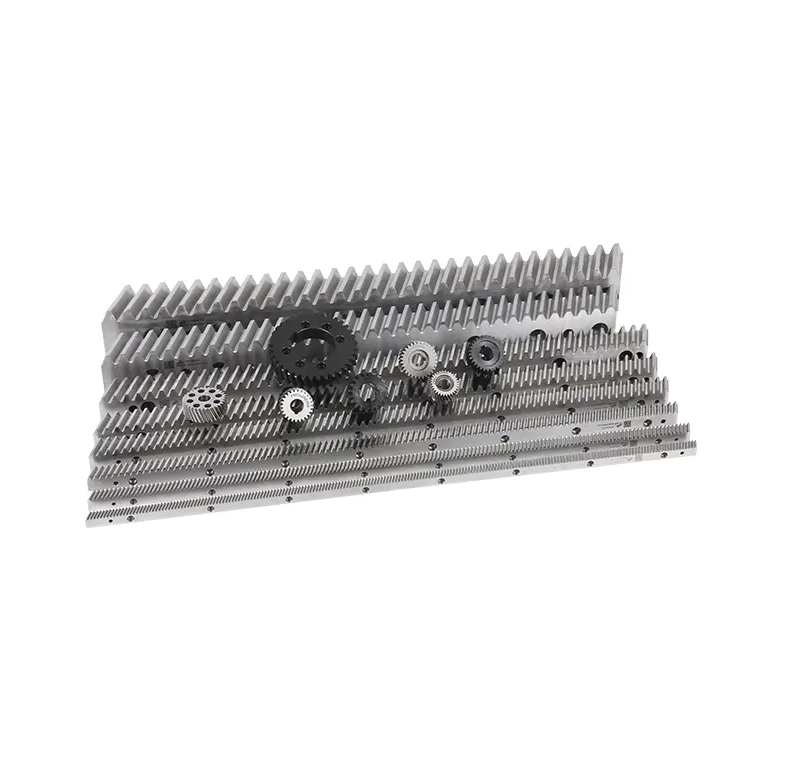
We are looks at how these systems compare with traditional approaches. It follows an industry news style. The focus stays on practical use, not theory. The language remains simple and direct.
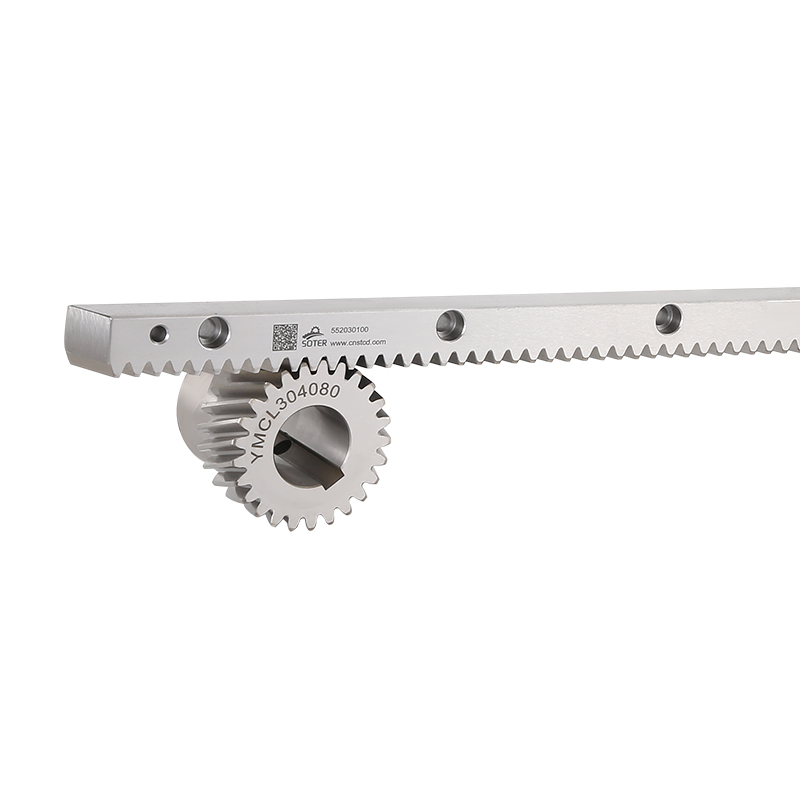
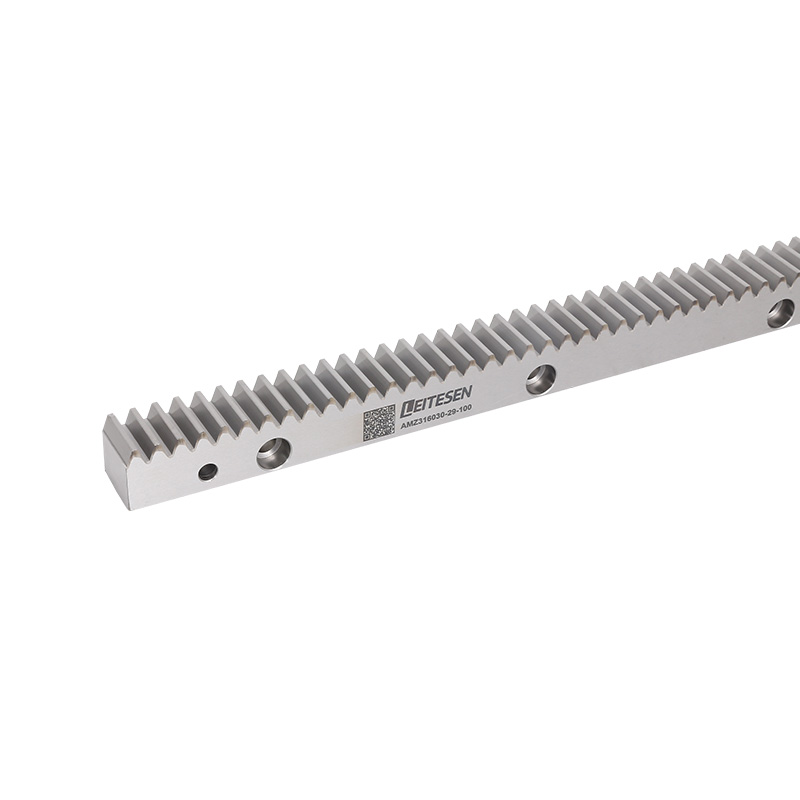
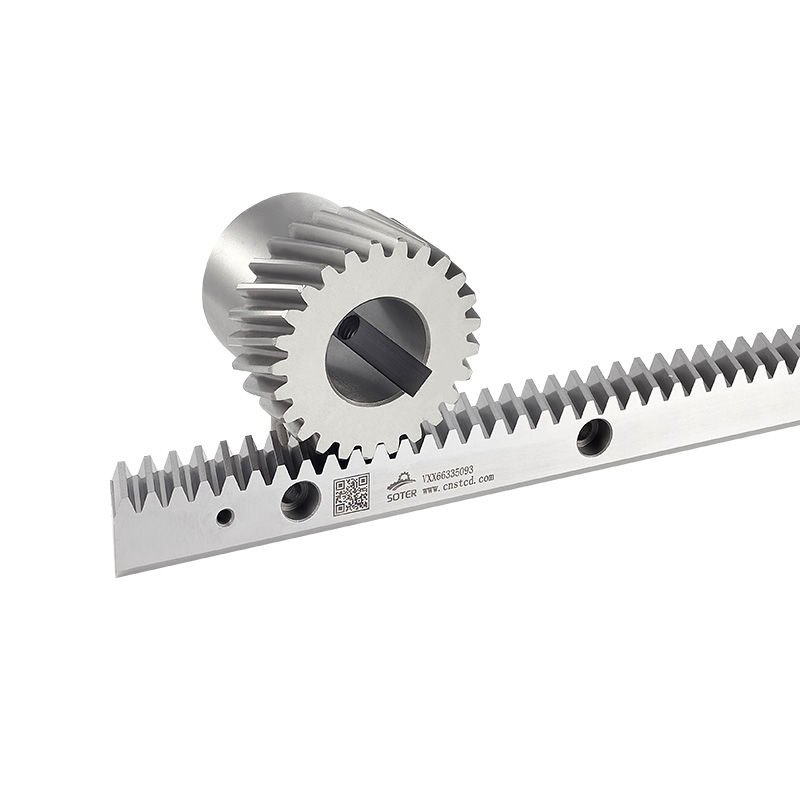
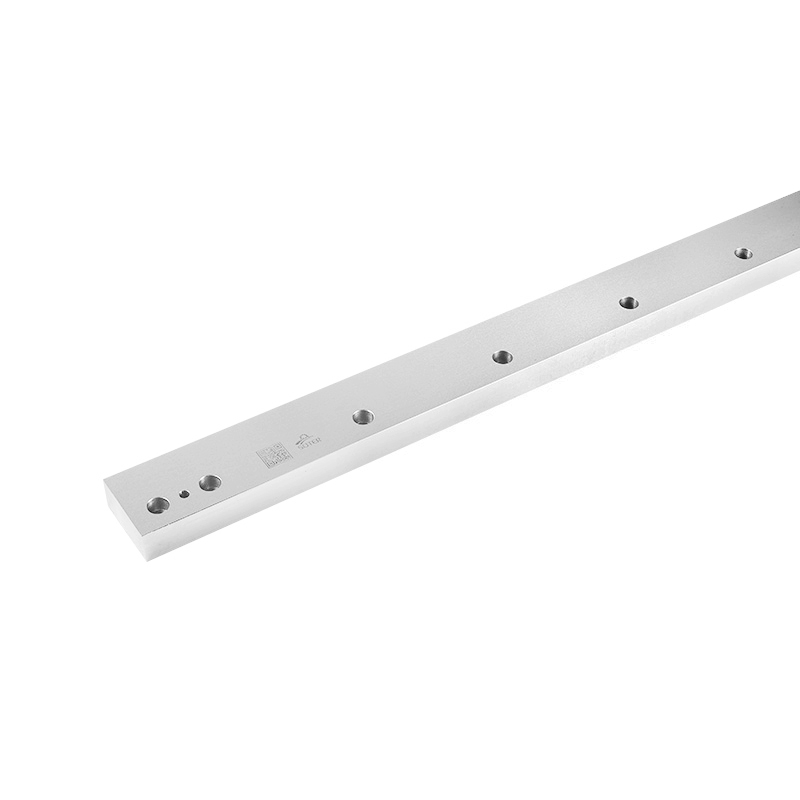
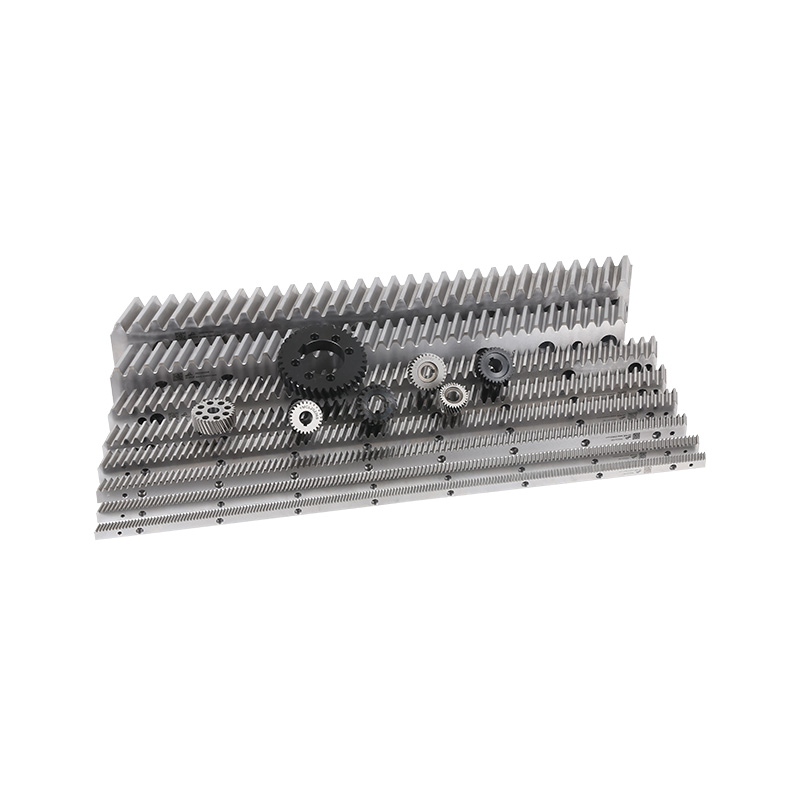
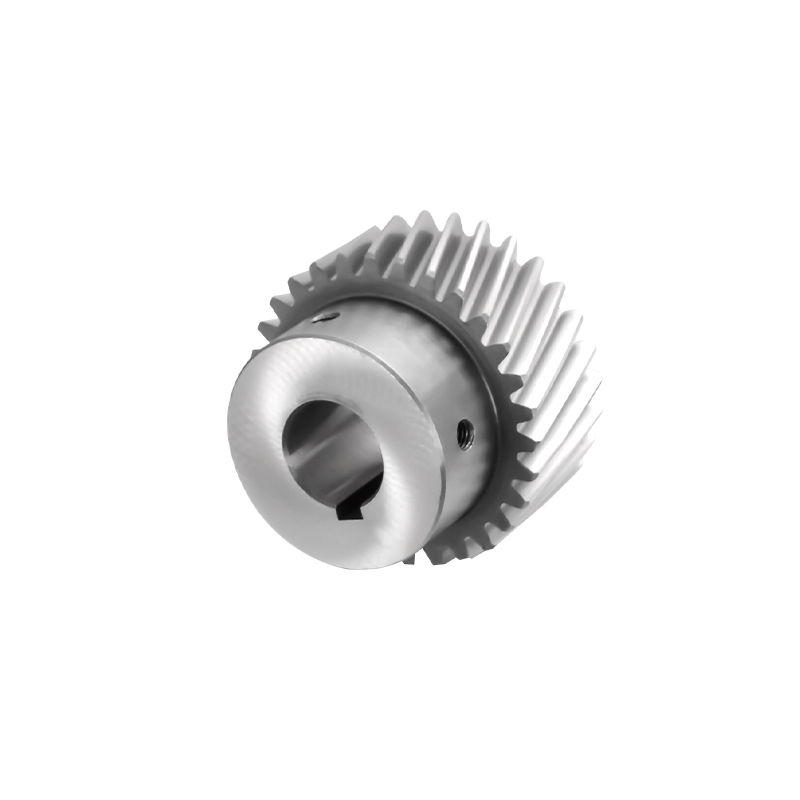
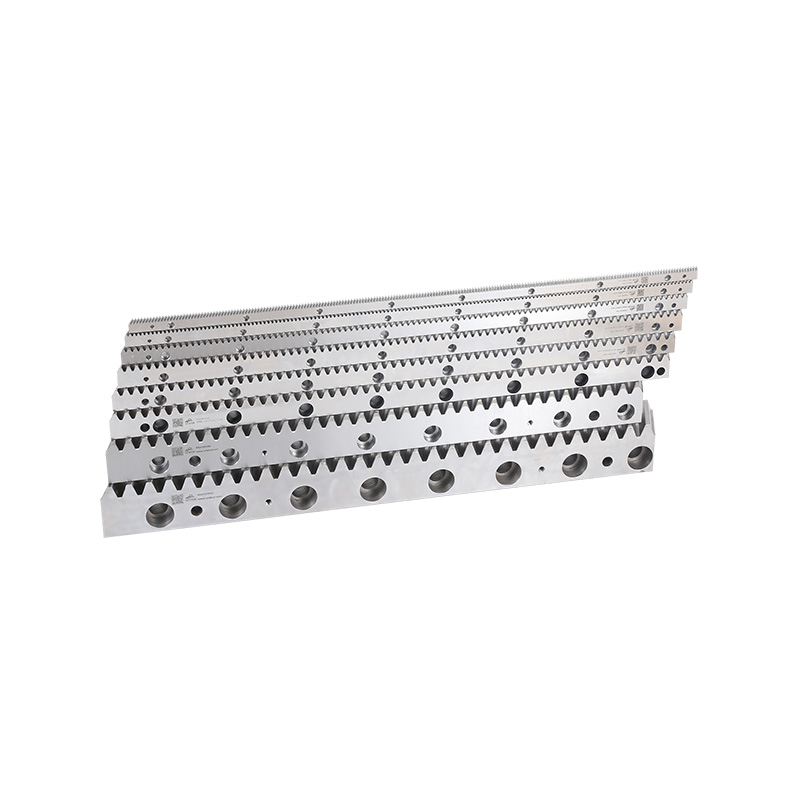
A rack and pinion setup turns rotation into straight movement. The gear engages with a linear bar. When the gear turns, the bar moves in a straight path. This idea is simple, yet the way it is built can vary.
A precision version pays close attention to alignment and contact. The parts are shaped to fit tightly. Movement feels controlled. There is less play during motion. The result is a more stable response when direction changes.
In many workshops, this system is easy to understand. It is visible. Operators can see how motion travels from one part to another. This transparency often builds trust. It also makes adjustments easier during daily use.
Traditional methods include belts, chains, and screw-based systems. Each has its own logic. Belts rely on tension. Chains rely on linked segments. Screws convert rotation into motion through threads.
These systems have served industries for a long time. They are familiar. Many workers already know how to handle them. This reduces training time.
At the same time, each method behaves differently under load. Belts may stretch over time. Chains may need regular tightening. Screw-based motion can feel slower when long travel is required. These traits shape how they are used in real environments.
Modern production often depends on repeatable movement. Small variations can affect the final result. In packaging, alignment matters. In assembly, positioning matters. Even slight drift can create visible differences.
Precision rack and pinion systems respond well in these situations. The direct contact between gear and rack helps guide motion. There is less delay between input and output. Movement starts and stops with a clear response.
Traditional methods can still perform well. Yet they may require more adjustment over time. Tension changes or wear may influence accuracy. This does not mean they are unsuitable. It simply means more attention may be needed during operation.
The contrast often appears during continuous use. When machines run for long periods, small changes build up. A slight shift in tension or alignment can grow into a noticeable variation.
Rack and pinion systems tend to hold their form during repeated cycles. Their structure supports steady motion. This can be helpful in environments where consistency is expected across many cycles.
Traditional systems show their strengths in other ways. Belts can absorb shock. Chains can handle rough conditions. Screw systems can offer controlled movement in compact spaces. The choice depends on what the task demands.
Maintenance is part of any transmission system. The difference lies in how often and how complex it feels.
Rack and pinion systems usually require basic care. Clean contact surfaces. Keep alignment steady. Check for wear at regular intervals. The structure is open, so inspection is straightforward.
Traditional systems may involve more routine checks. Belts need tension adjustments. Chains need lubrication. Screw systems may require cleaning to prevent buildup. These steps are familiar, yet they take time.
Below is a simple comparison that reflects how materials behave in use and what that means in daily service:
| Material Type | How It Behaves in Use | Practical Outcome in Service |
|---|---|---|
| Paper-based structure | Easy to print and visually flexible | Strong branding visibility |
| Surface-coated material | More stable under moisture and handling | Smoother user experience |
| Lightweight composite | Balanced strength and portability | Comfortable for takeaway use |
| Reinforced structure | Holds shape under longer transport | Better stability during movement |
| Mixed material design | Combines flexibility and firmness | More balanced overall performance |
This table shows how different material approaches influence performance. The same idea applies to transmission systems. Structure and design affect daily outcomes.
Installation often shapes long-term satisfaction. A system that is easy to set up can reduce early issues. It can also lower the chance of misalignment.
Rack and pinion systems are usually installed in a straight line. Alignment matters, yet the process is clear. Once set, the system tends to stay stable.
Traditional systems may involve more variables. Belt tension must be balanced. Chain alignment must be checked. Screw systems need proper support along their length. These steps are manageable, though they require attention during setup.
In many factories, installation time influences decision making. A system that reduces setup complexity can help teams move faster into production.
Long travel distance is a key factor in many applications. It affects how smooth motion feels over extended movement.
Rack and pinion systems handle long travel in a direct way. The rack can extend along the path. The gear continues to engage as it moves. This creates a continuous motion pattern.
Screw-based systems may face limits when travel becomes long. The structure may need additional support. Movement speed may also be affected.
Belts and chains can cover long distances. Yet they may require tension control along the path. Over time, this can influence consistency.
Each method has a place. The decision often depends on how long the movement path is and how stable the motion needs to remain.
Choosing a transmission method rarely depends on one factor. It is usually a mix of needs and conditions. Below are some points often considered during selection:
Motion clarity
Some applications need clear, direct movement. Rack and pinion systems often meet this need.
Environmental conditions
Dust, moisture, or temperature changes can affect performance. Chains and belts may handle certain environments better.
Maintenance capacity
Teams with limited time for adjustments may prefer systems with simpler upkeep.
Installation space
Compact areas may favor screw-based systems. Longer layouts may suit rack and pinion designs.
Operational rhythm
Continuous operation may highlight differences in stability. Some systems maintain consistency with less adjustment.
User familiarity
Existing knowledge within a team can influence choice. Familiar systems reduce learning time.
Cost awareness
While cost is always present, it is often balanced with long-term use and maintenance effort.
These factors do not point to a single answer. They guide the decision process. Each project may weigh them differently.
Industry perception evolves with experience. As more projects use precision rack and pinion systems, feedback becomes part of the discussion. Some teams report smoother operation. Others highlight easier inspection.
Traditional systems remain widely used. Their reliability over time keeps them relevant. Many industries continue to depend on them.
At the same time, design trends are shifting. There is a growing interest in systems that offer stable motion with fewer adjustments. This has opened more space for rack and pinion solutions.
Engineers and operators often share insights across projects. These shared experiences shape how future systems are chosen. Over time, the line between traditional and newer approaches becomes less rigid. Choices become more about fit than habit.
In many real settings, systems do not compete. They coexist. A single machine may use different transmission methods in different sections.
A rack and pinion system might guide main movement. A belt may handle lighter transfer. A screw system may control positioning in a smaller area. This mix allows each method to contribute where it performs well.
This blended approach reflects how industries adapt. Instead of replacing one system entirely, designers combine strengths. The result is often a more flexible setup.
Such combinations also allow gradual change. Teams can introduce new systems without removing familiar ones. This reduces risk and supports smoother transitions.
Daily operation often reveals more than design plans. Operators notice how systems behave over time. They feel how motion starts and stops. They hear subtle changes in sound. They see how parts respond after repeated cycles.
Rack and pinion systems often show steady movement during long shifts. Their direct structure supports consistent travel. This can make routine tasks feel predictable.
Traditional systems show their own patterns. Belts may need small adjustments. Chains may produce a distinct sound. Screw systems may show gradual change in resistance. These traits become part of daily workflow.
Operators adapt to these behaviors. Their experience plays a role in how systems are maintained and improved. Over time, small observations shape larger decisions.
User experience is not always discussed in industrial settings, yet it matters. Smooth motion can reduce stress during operation. Clear system behavior can make training easier.
Rack and pinion systems often feel direct. Movement responds quickly. This can make control more intuitive.
Traditional systems can feel familiar. Many operators already understand how they behave. This familiarity supports confidence during use.
The choice between systems may influence how comfortable users feel during daily tasks. A system that aligns with user expectations can improve workflow without major changes.
Future development often builds on existing knowledge. Engineers study how systems perform in real conditions. They look for ways to improve stability and ease of use.
Industrial Rack And Pinion Supplier systems are part of this ongoing effort. They offer a clear approach to motion transfer. Their role may continue to grow in areas where steady movement is valued.
Traditional methods will remain part of the landscape. Their adaptability and long history support their continued use. Improvements in materials and design may extend their relevance even further.
Rather than replacing one method with another, the industry appears to be expanding its options. More choices allow better alignment between system and application.
Share:
Related Products

If you have cooperation intention, please leave a message for us or use the following ways to contact us.We will reply to you as soon as possible and provide you with more sincere service, thank you.
Production
QR Code
Call Us :
+86-13758631128
E-mail :
sttc@cnstcd.com
Add :
31 piazza road, ruoheng town, wenling city, taizhou city, zhejiang province, China.
Copyright © by Zhejiang Soter Transmission Technology Co., Ltd. Rights Reserved.

China Rack And Pinion For Sale

 English
 中文简体
中文简体
 Español
 русский