Dec 26, 2025
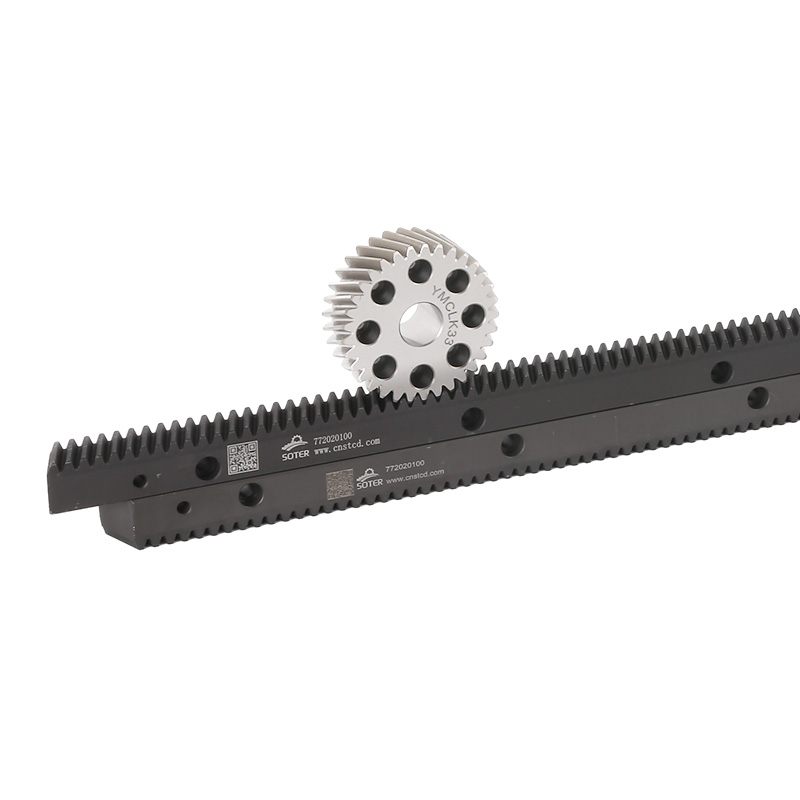
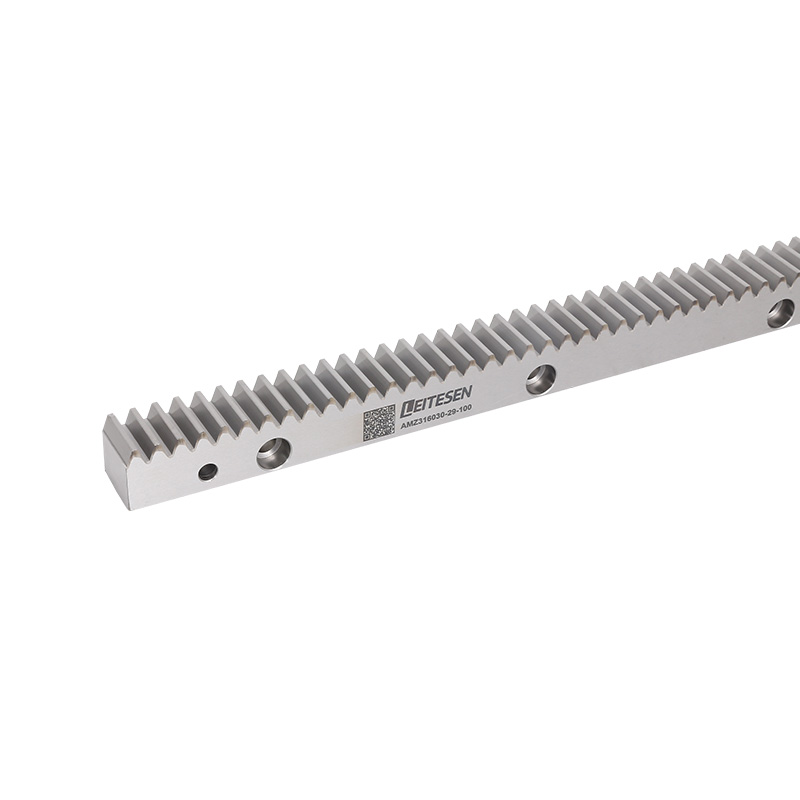
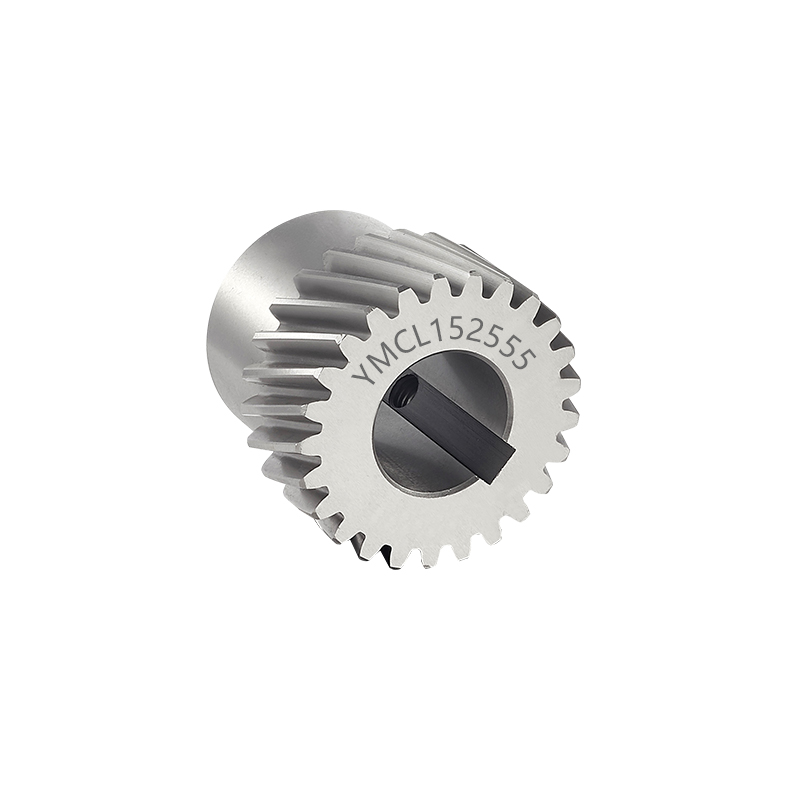
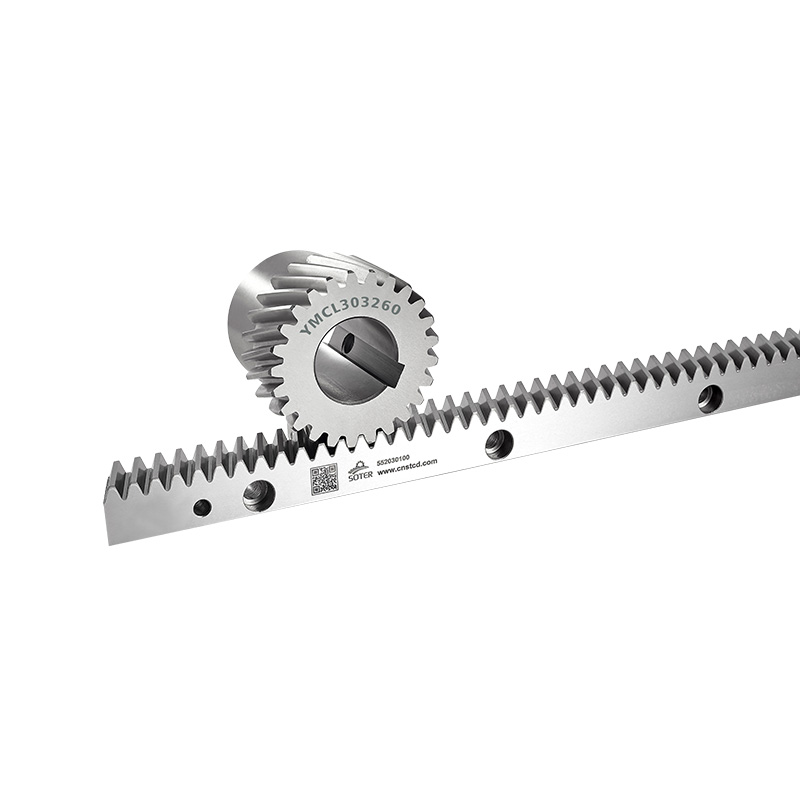
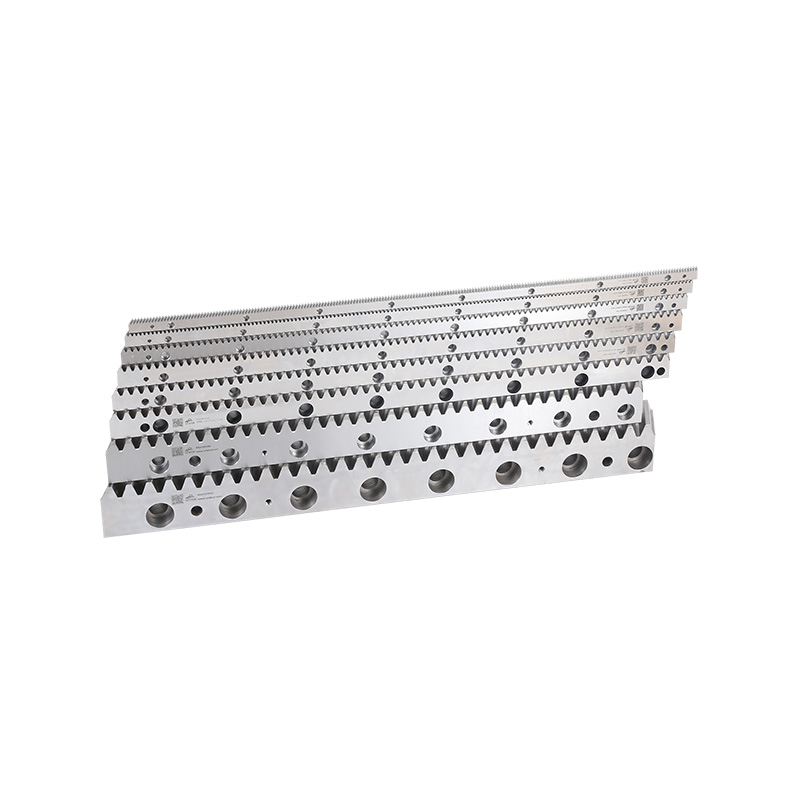
In the early stages of manufacturing a Straight Gear Rack, machining precision is largely determined by the method used to shape and finish each tooth. Because the rack is a linear extension of gear geometry, maintaining consistent pitch, flank angle, and tooth height is critical for achieving smooth meshing with pinions. Variations introduced during machining can create backlash, noise, vibration, and premature wear. As industrial systems demand greater efficiency and lower tolerance deviation, the relationship between precision and machining methods becomes increasingly important. Three common processes—grinding, cutting, and hobbing—each influence accuracy in distinct ways depending on tooling, machine stability, and material properties.
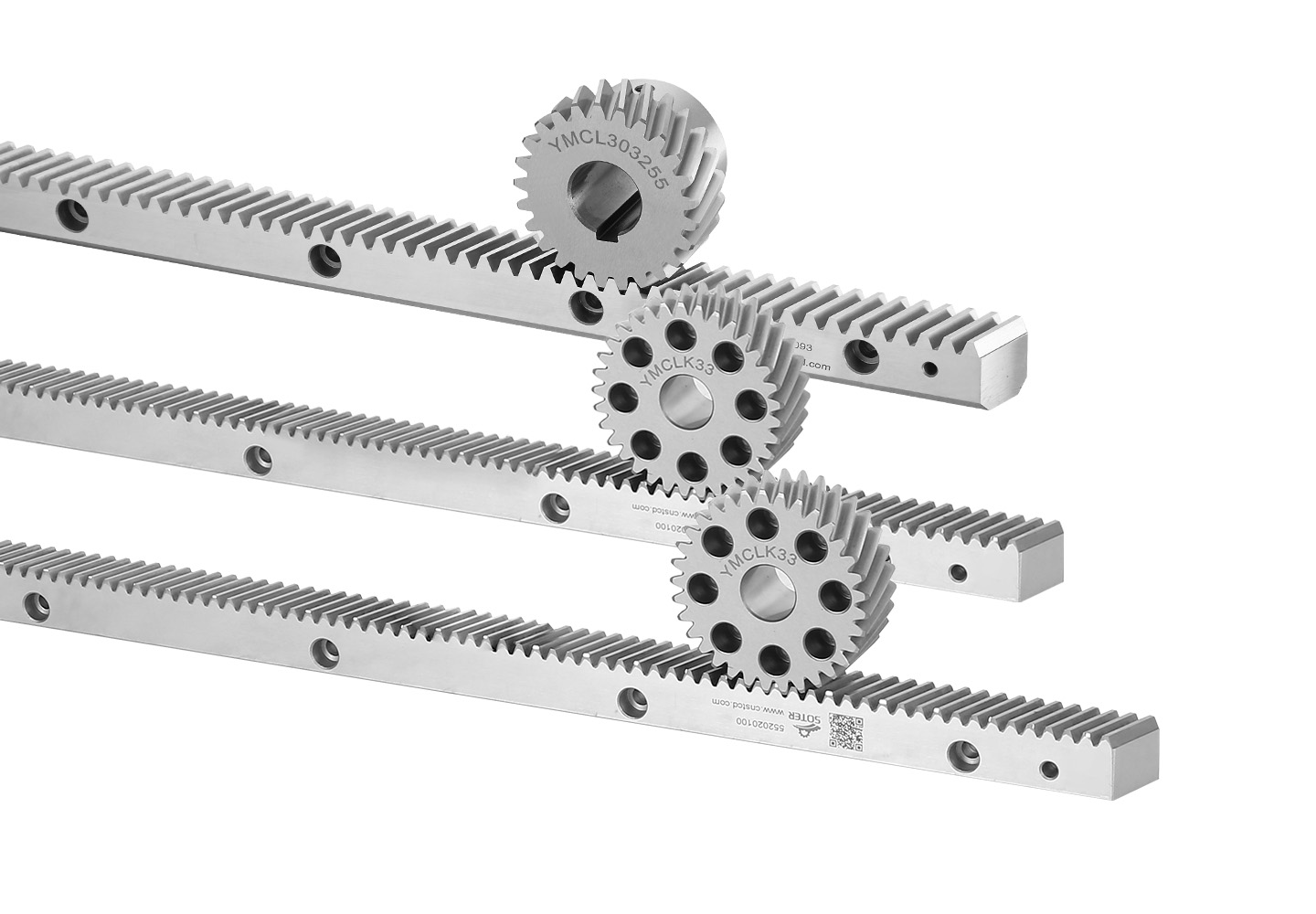
Grinding is typically used when exceptionally tight tolerances and refined surface finishes are needed. This method employs abrasive wheels to remove very small amounts of material with high positional accuracy. Because grinding achieves fine tooth geometry with residual stress, it is widely preferred in industries requiring high-speed motion or low noise, such as automation equipment and robotics. One of the major advantages is the ability to produce smooth tooth flanks that reduce friction and allow the rack to mesh more uniformly with the pinion. However, grinding is slower and more expensive than other methods due to the precision of the equipment and the need for careful setup. Even so, when the application demands strict tolerances or the rack must endure heavy continuous loads, grinding provides the reliable dimensional consistency.
Cutting, which includes milling or shaping, is a more traditional process used to form rack teeth through direct mechanical removal of material. This method provides good general accuracy and is suitable for a wide range of materials, including medium-hard steels and engineering plastics. Cutting offers a balance between precision and speed, making it ideal for moderate tolerance applications such as conveyors, lifting systems, and packaging machines. The precision of cutting depends heavily on tool sharpness, feed rate, machine rigidity, and thermal control during operation. Although the surface finish is not as refined as that produced by grinding, cutting remains cost-effective and versatile. It also allows for adjustments during production, supporting flexible batch sizes and customized rack geometries.
Hobbing is one of the efficient processes for creating gear racks in large volumes. It uses a rotating hob tool that progressively forms the tooth profile through synchronized motion with the rack blank. This method ensures uniform pitch and tooth spacing across extended lengths, which is essential for long travel applications in linear motion systems. Hobbing combines speed with reliable accuracy, though it generally produces surface finishes that require secondary processing if ultra-tight tolerances are needed. Nevertheless, the consistency of tooth geometry produced in hobbing makes it ideal for scalable production where repeatability is more important than ultra-high precision.
When comparing grinding, cutting, and hobbing, the choice of method largely depends on the precision requirements of the final application. Grinding delivers high accuracy and surface finish, but at a higher cost and lower production rate. Cutting offers flexibility and reasonable precision, making it suitable for general-purpose machinery. Hobbing stands out in producing long racks quickly and consistently, though it may require finishing processes to achieve good surface quality. By understanding the strengths and limitations of each method, manufacturers can tailor their production strategy to meet performance goals while balancing cost, efficiency, and durability.
Share:

If you have cooperation intention, please leave a message for us or use the following ways to contact us.We will reply to you as soon as possible and provide you with more sincere service, thank you.
Production
QR Code
Call Us :
+86-13758631128
E-mail :
sttc@cnstcd.com
Add :
31 piazza road, ruoheng town, wenling city, taizhou city, zhejiang province, China.
Copyright © by Zhejiang Soter Transmission Technology Co., Ltd. Rights Reserved.

China Rack And Pinion For Sale

 English
 中文简体
中文简体
 Español
 русский