May 15, 2026
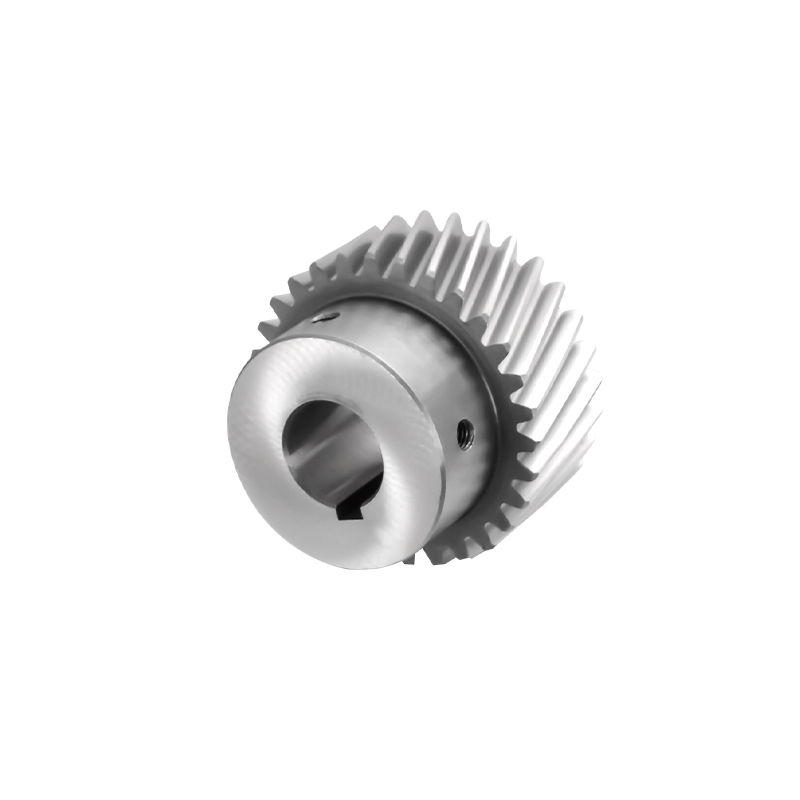
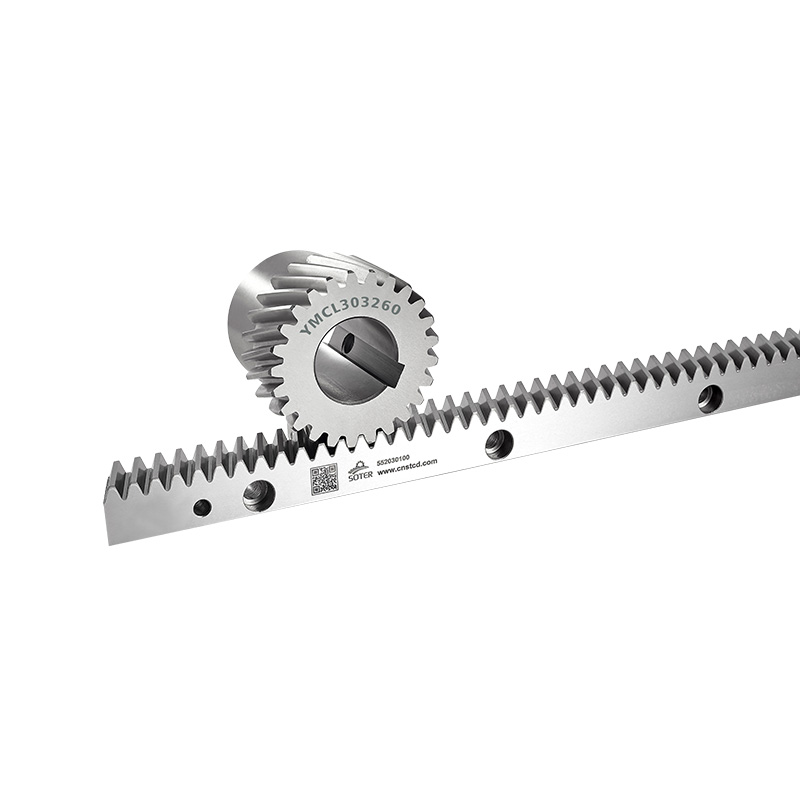
In many mechanical environments, motion is not just about movement. It is about control, direction, and consistency. A rack and pinion system is often used to turn rotational motion into straight-line movement. When this system is customized, it is shaped to fit specific working needs rather than a general application.
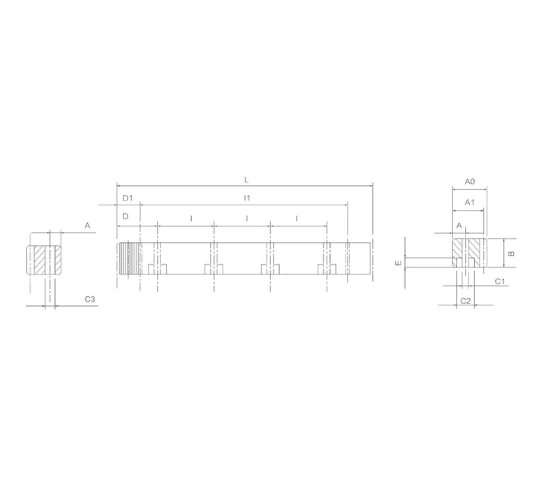
Custom design changes how the system behaves. It adjusts size, shape, load response, and movement style based on where it will be used. This approach is common in machinery where standard parts do not fully match operational demands.
Instead of adapting the machine to the part, the part is adapted to the machine. That is the core idea behind customization.
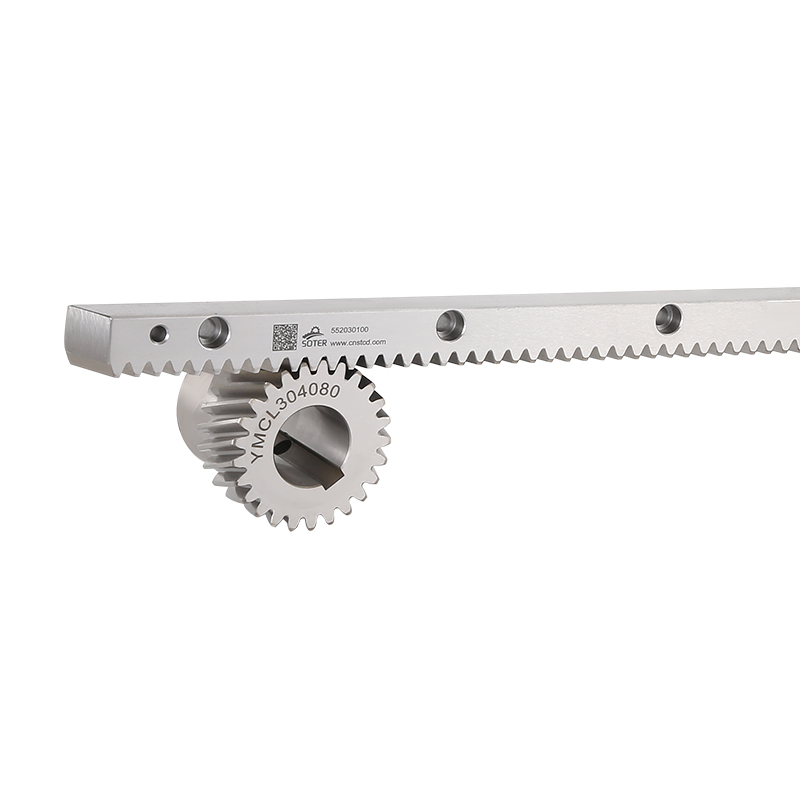
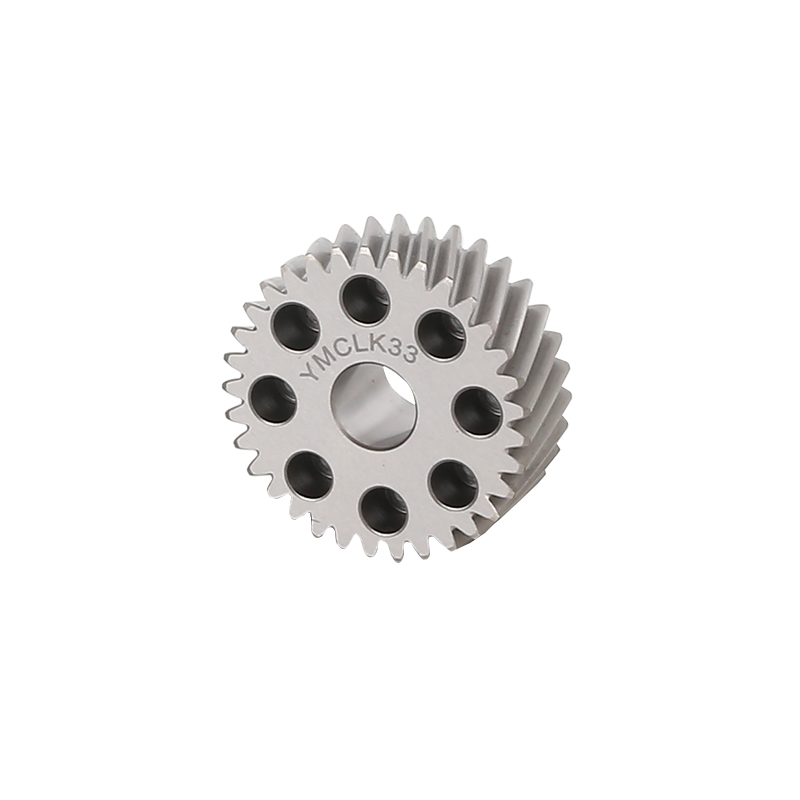
A rack and pinion system is a mechanical setup designed with specific requirements in mind. It still follows the same basic structure. A straight gear component interacts with a round gear component. Movement is transferred between them.
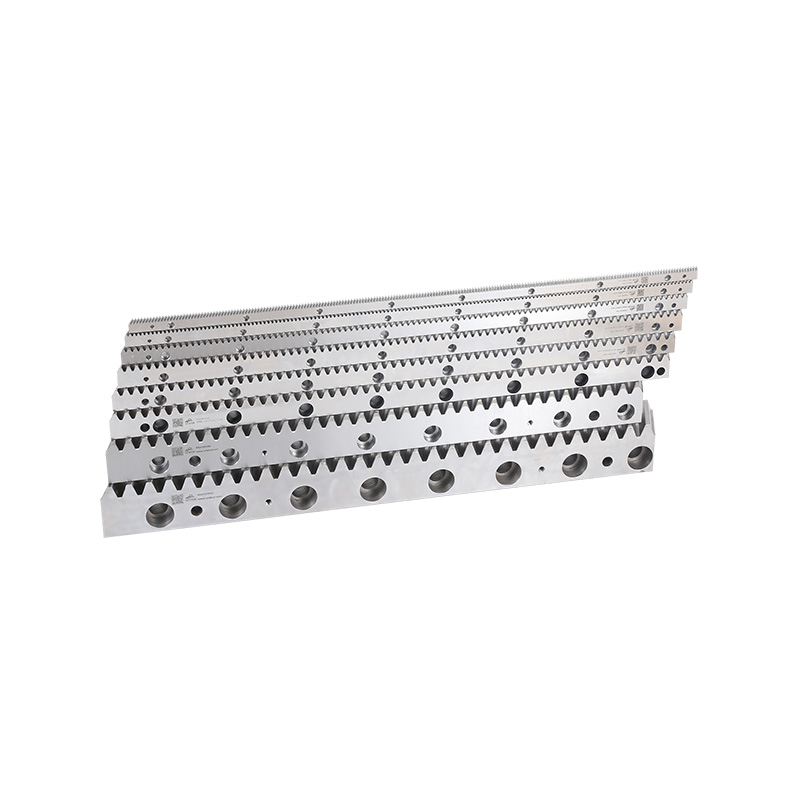
The difference lies in how it is shaped and configured. The spacing, length, and form are adjusted based on the task. The system may also be adapted to fit unique movement paths or space limitations.
In practical use, this type of system appears in equipment that cannot rely on standard motion parts. Some machines need precise positioning. Others require movement across unusual distances or angles. Customization allows these needs to be met without forcing a compromise.
The idea is simple. Instead of forcing a general design into a specific job, the system is shaped around the job itself.
Not every machine works under the same conditions. Some operate in tight spaces. Others handle uneven loads or require repeated accuracy in movement. Standard systems may not always match these conditions.
A rack and pinion system allows adjustments to be made before installation. This reduces the need for modifications later.
Another reason is workflow stability. When a system is designed to match its environment, movement tends to feel more natural within the machine. There is less strain from mismatched parts.
In some cases, machines evolve over time. New functions are added, or operational needs change. Custom systems can be shaped to support these changes without redesigning the entire structure.This flexibility is one of the main reasons customization is widely used in mechanical design.
Designing a custom system is not a single step process. It involves understanding how the system will be used, then shaping its structure around those needs.
The process often follows a sequence of decisions rather than fixed formulas.
1. Understanding movement requirements
The first step is to observe how motion will occur. Will the movement be short or long? Will it be fast or controlled? Will it repeat frequently?
These questions help define the basic structure. A system designed for short, precise movement will look different from one designed for long travel.
2. Defining space and layout
Space plays a major role in mechanical design. Machines often operate within limited areas. The rack and pinion system must fit into this space without interfering with other components.
The layout determines how parts are positioned. Sometimes the system must be compact. In other cases, it may extend across a wider area.
3. Matching load behavior
Every system experiences force during operation. The amount and direction of this force influence how the design is shaped.
A system handling steady movement may require a different structure compared to one dealing with uneven or changing loads.Load behavior also affects how contact surfaces interact over time.
4. Adjusting movement precision
Some machines require movement that is very consistent. Others allow more variation. Precision requirements influence how tightly the system is designed.
A tighter structure may support more controlled movement. A more flexible setup may allow broader motion.
5. Selecting material behavior
Material choice is part of the design process. Different materials respond differently to pressure, wear, and environmental conditions.
The goal is not only strength, but also stability over time. The material must support repeated motion without losing shape or performance.
Custom systems appear in a wide range of mechanical environments. Their use is often linked to specific movement needs rather than general application.
They are often found in:
Different environments shape different design choices. The same type of system may look slightly different depending on where it is installed.
The following table gives a clearer view of how usage varies across typical settings:
| Application Area | Common Movement Need | Design Focus |
|---|---|---|
| Positioning equipment | Precise directional control | Stability and smooth motion |
| Automated systems | Repeated consistent movement | Accuracy over long use |
| Compact machinery layouts | Limited installation space | Size adaptation and fit |
| Irregular motion paths | Non-linear movement demands | Flexible structural design |
| Multi-function equipment | Changing operational tasks | Adjustable movement response |
In each case, the system is shaped by the environment rather than the other way around.This makes customization less about complexity and more about adaptation.
A customized system often behaves more predictably within its intended environment. This is because its structure is aligned with the conditions it will face.
Movement tends to feel more stable. Contact between components is more consistent. The system is less likely to experience unexpected strain from mismatched design.
At the same time, customization can also influence maintenance patterns. A well-matched system may require less frequent adjustment under normal conditions, while still needing regular care like any mechanical setup.
The main change is not in function, but in fit. The system feels like it belongs in the machine rather than being inserted into it.
Custom design requires more observation before production. It is not a one-size process. Each system must be considered individually.
One challenge is understanding real working conditions. A design may look suitable on paper, but actual use may introduce different pressures or movement patterns.
Another challenge is balancing flexibility with stability. A system that is too rigid may not adapt well to small changes. A system that is too flexible may lose consistency.
Space limitations also add complexity. Designers often need to work within fixed boundaries while still meeting performance expectations.These factors make custom design more about adjustment than invention.
A rack and pinion system does not exist in isolation. It becomes part of a larger mechanical environment.
Once installed, it interacts with other components. Movement patterns depend on surrounding structures. Load distribution is influenced by connected systems.This means the design must anticipate interaction, not just individual function.
In real-world use, small design choices become more visible. A slight adjustment in spacing or alignment can influence how smoothly the system operates.
Over time, the system becomes part of the machine's rhythm. It supports movement that may be repeated thousands of times without drawing attention.
Mechanical design often moves between two ideas. Standardization and adaptation. Standard parts offer consistency. Custom parts offer flexibility.
A rack and pinion system sits closer to adaptation. It responds to conditions rather than imposing a fixed structure.
This approach reflects how modern mechanical systems are used. Machines are no longer built for a single fixed task in many cases. They are expected to adjust, shift, and operate in varied environments.
Customization becomes a way to support that shift. It allows motion systems to follow the needs of the machine rather than limiting them.The result is not about complexity. It is about alignment between design and use.
Share:

If you have cooperation intention, please leave a message for us or use the following ways to contact us.We will reply to you as soon as possible and provide you with more sincere service, thank you.
Production
QR Code
Call Us :
+86-13758631128
E-mail :
sttc@cnstcd.com
Add :
31 piazza road, ruoheng town, wenling city, taizhou city, zhejiang province, China.
Copyright © by Zhejiang Soter Transmission Technology Co., Ltd. Rights Reserved.

China Rack And Pinion For Sale

 English
 中文简体
中文简体
 Español
 русский