Jun 12, 2026
Heavy-duty industrial systems do not behave gently with mechanical parts. Movement is repetitive, loads shift, and machines often run for long stretches without pause. In that kind of environment, linear motion components are not just connectors. They become part of the structure that keeps everything aligned.
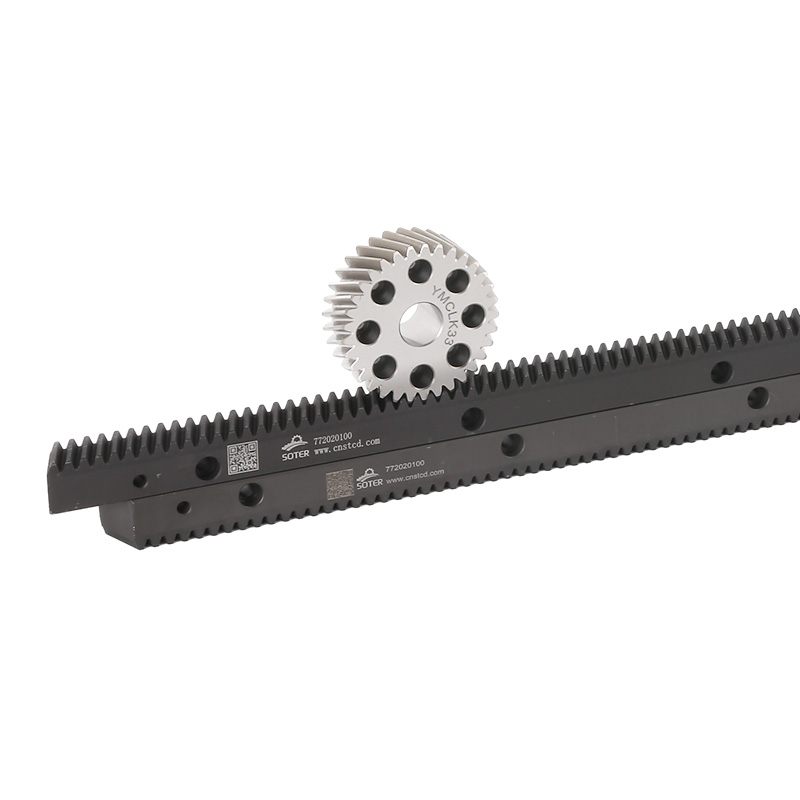
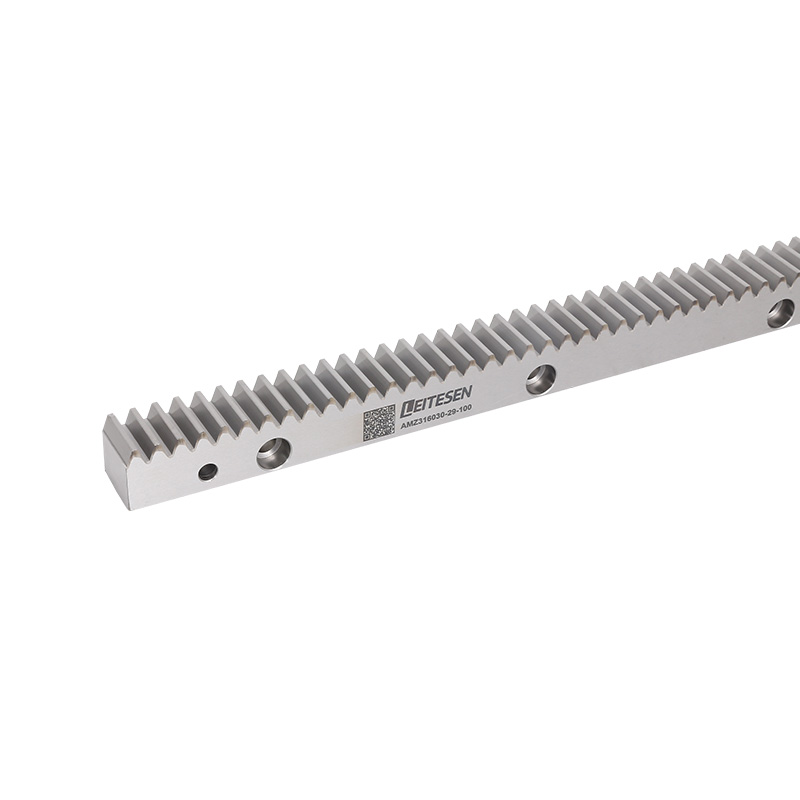
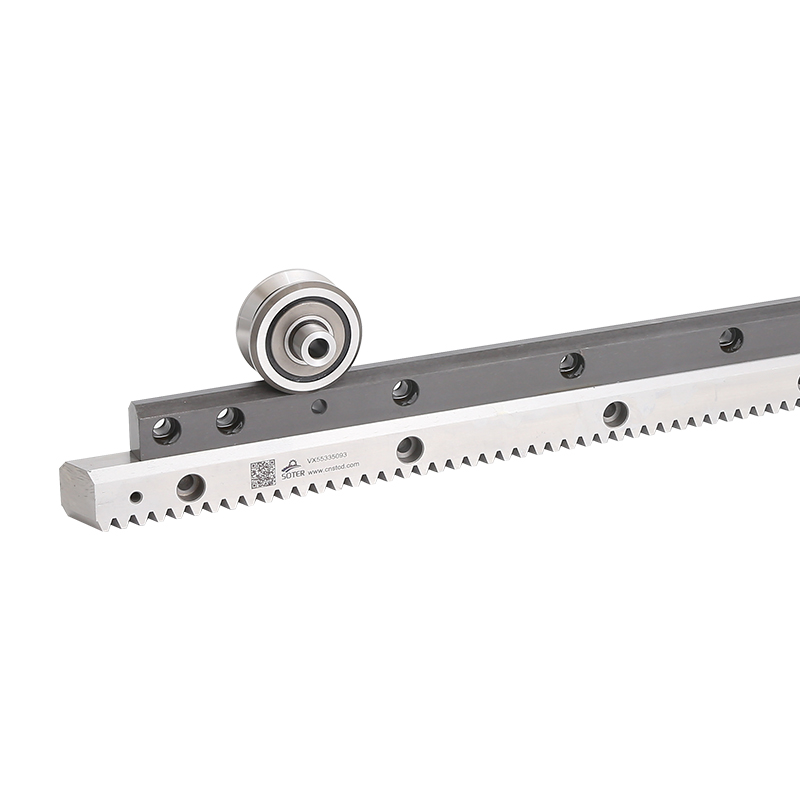
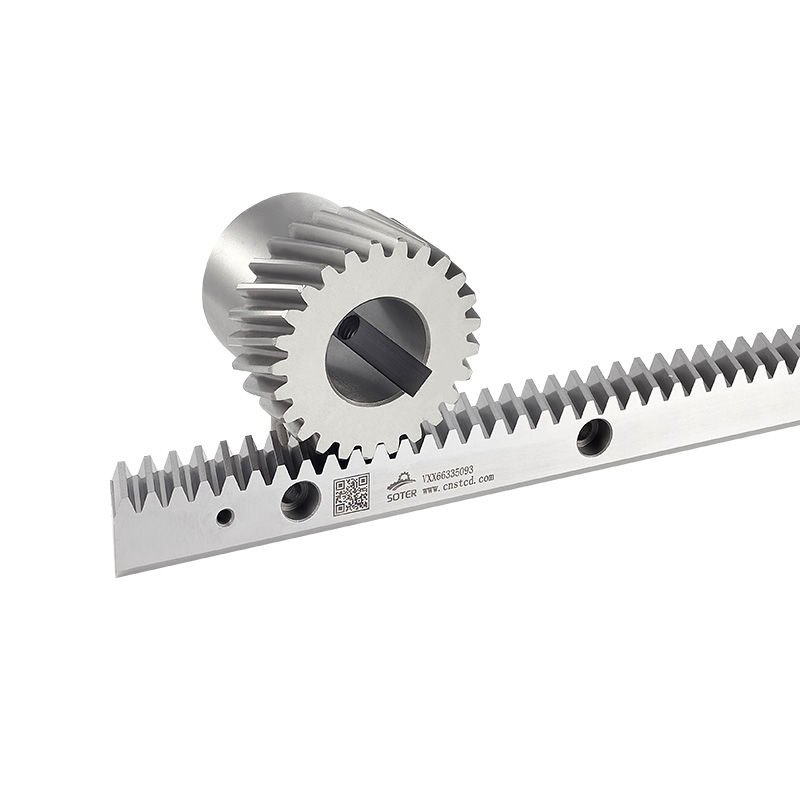
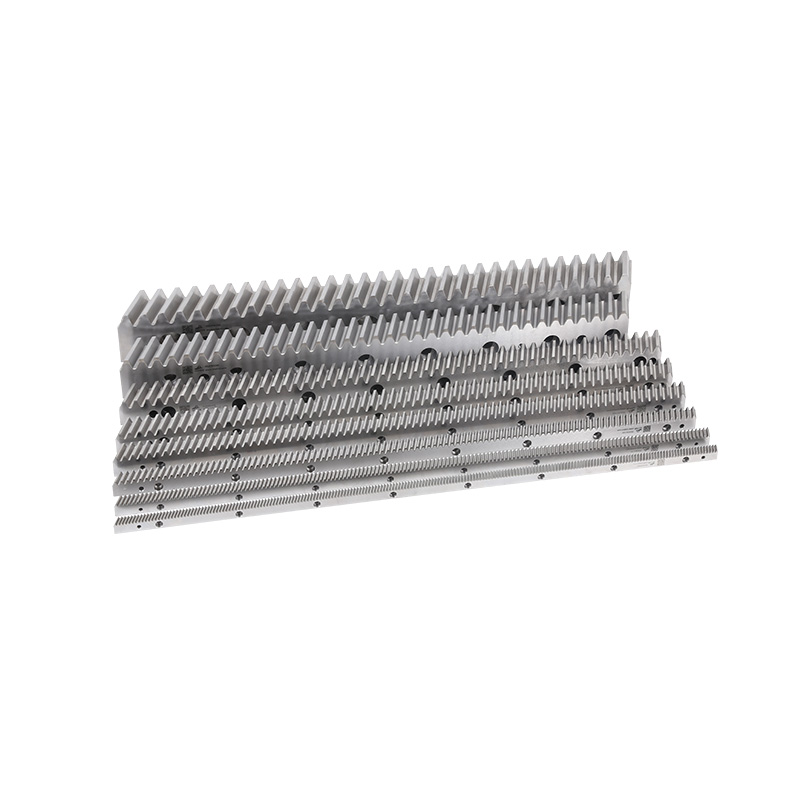
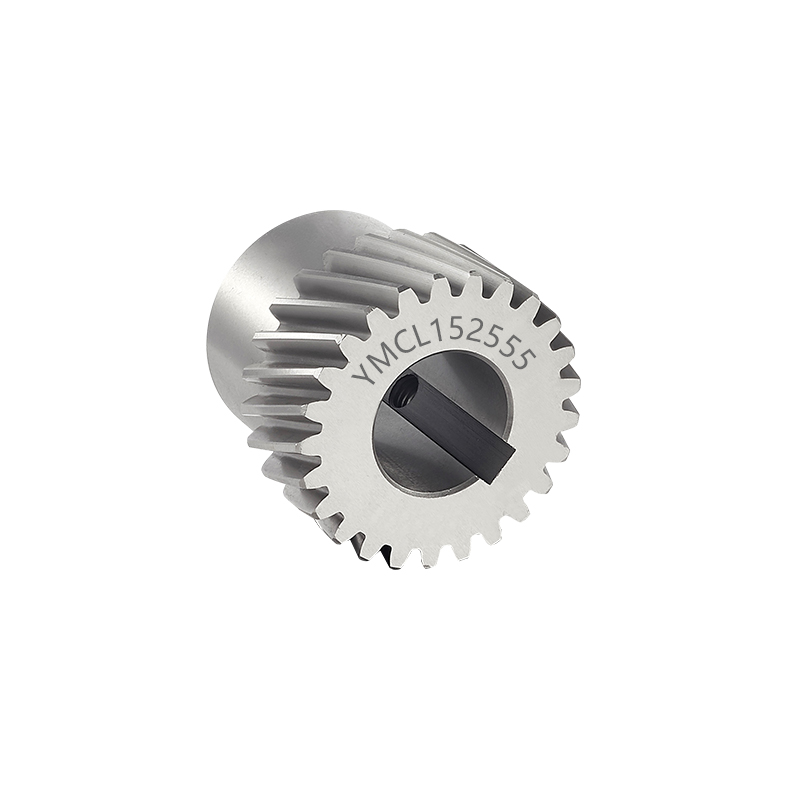
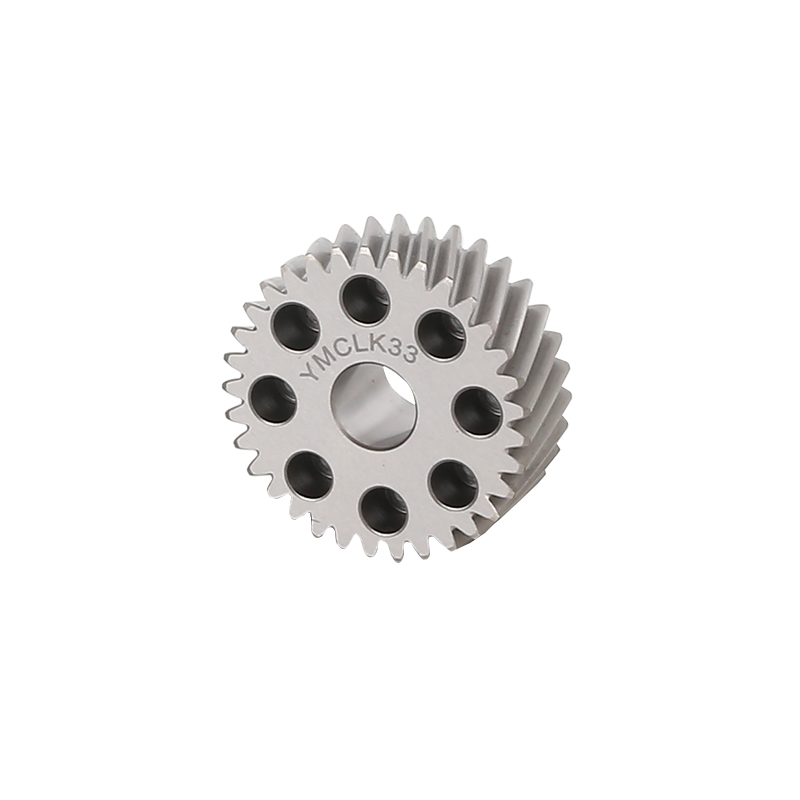
gear rack suppliers sit inside this picture in a practical way. They provide components that help convert rotational movement into controlled linear travel. More importantly, they support systems where force, stability, and repeatability all need to stay balanced under continuous use.
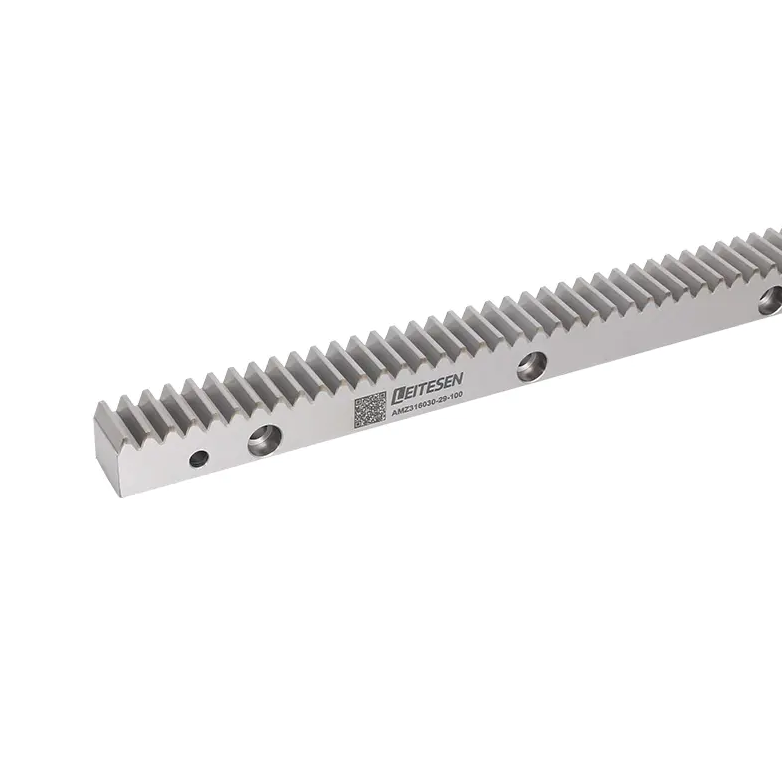
The role is less about a single product and more about how motion behaves once everything is assembled.
Heavy-duty environments are not defined by a single factor. It is usually a mix of load, duration, and repetition.
Machines in these settings may face:
In lighter systems, small deviations may not cause immediate issues. In heavier systems, those same deviations can grow into mechanical stress points.
That is where gear rack systems are often chosen. They provide direct linear motion transfer without relying on complex intermediate mechanisms.
At a surface level, the answer looks simple. They supply racks and matching gear elements. In real industrial usage, the scope is broader.
Typical supply roles include:
The key idea is compatibility. Each part is designed to work with another part, not just individually but as part of a motion system.
In heavy-duty use, mismatched components can affect stability faster than expected.
In industrial motion systems, load is not static. It changes during operation. A platform may start light, then become heavier as materials are added. A cutting or handling system may experience uneven force depending on position.
Gear rack systems respond to this by maintaining direct contact between driving and driven components.
The structure allows:
Instead of relying on indirect transmission, the motion stays physically linked. That direct connection is one reason these systems appear in heavy-duty environments.
Material choice affects how long a system stays stable under repeated stress. In heavy-duty conditions, wear is not just expected. It is constant.
Different material behaviors influence performance in practical ways:
| Working condition | Material focus | Operational effect |
|---|---|---|
| Continuous load movement | Surface stability | Smoother travel over time |
| Repetitive cycling | Wear resistance | Reduced degradation rate |
| Impact variation | Structural strength | Less deformation under force |
| Long travel systems | Consistent alignment | Stable motion path retention |
Gear rack suppliers often select or recommend materials based on how systems behave in real usage, not just initial installation.
Even well-designed components depend on how they are installed. In heavy-duty systems, alignment becomes more sensitive because force magnifies small errors over distance.
Installation support often involves:
A small offset may not stop movement, but it can change how force is distributed. Over time, that difference becomes noticeable in operation smoothness.
Suppliers often work with system layouts rather than isolated parts, since installation conditions vary widely across industries.
These systems appear in many industrial settings where linear movement under load is required.
Common usage areas include:
In each case, movement is not casual. It is controlled, repeated, and often tied to production timing.
The environment may differ, but the motion requirement remains similar.
Heavy-duty systems rarely run for short cycles. They operate across extended periods, often with minimal downtime.
Long-term support usually focuses on:
Instead of replacing entire motion systems, operators can often replace segments. That reduces downtime and keeps production flow more stable.
Consistency between old and new components becomes important here.
Precision in this context is not only about measurement accuracy. It is about repeatable movement under stress.
When a system repeats the same motion thousands of times, small inconsistencies may begin to appear as:
Gear rack systems help reduce these effects by maintaining a direct and predictable motion path.
Suppliers contribute by ensuring component compatibility across production batches, so replacement parts behave similarly to original ones.
Wear is unavoidable in heavy-duty applications. The goal is not to eliminate it but to manage it.
Common wear-related behaviors include:
Industrial Gear Rack Suppliers often address this by providing consistent contact geometry and supporting replaceable segments. Instead of repairing an entire system, only affected sections may need attention.
This approach helps maintain operational continuity.
Not all heavy-duty systems share the same layout. Some require long linear travel. Others focus on compact but high-force motion. Some operate in continuous cycles, while others work in intermittent bursts.
Custom support may include:
The goal is not to redesign the machine, but to fit motion components into existing structures without reducing stability.
In gear rack systems, no part works alone. Stability comes from interaction.
Three main points usually define system behavior:
If one part changes, the rest responds. That is why suppliers often focus on system-level behavior rather than single-component performance.
In heavy-duty environments, this interaction becomes even more important because forces are amplified during operation.
Continuous use systems require predictable behavior. Machines cannot adjust themselves constantly during operation.
Gear rack systems support this through:
They do not rely heavily on complex intermediary mechanisms. That simplicity helps reduce variability during long operation cycles.
Efficiency in heavy-duty environments is not only about speed. It is about stability over time.
Gear rack suppliers influence this indirectly by:
When motion remains stable, downstream processes also become more predictable.
Efficiency, in this sense, is tied closely to mechanical consistency rather than visible performance changes.
Modern industrial systems rarely rely on a single motion method. Gear rack systems often work alongside motors, guides, and control components.
Within a larger structure, they handle:
Other systems may manage timing or coordination, but rack and pinion elements handle the physical translation of motion.
This division of roles helps keep complex systems manageable.
Share:
Related Products

If you have cooperation intention, please leave a message for us or use the following ways to contact us.We will reply to you as soon as possible and provide you with more sincere service, thank you.
Production
QR Code
Call Us :
+86-13758631128
E-mail :
sttc@cnstcd.com
Add :
31 piazza road, ruoheng town, wenling city, taizhou city, zhejiang province, China.
Copyright © by Zhejiang Soter Transmission Technology Co., Ltd. Rights Reserved.

China Rack And Pinion For Sale

 English
 中文简体
中文简体
 Español
 русский