Jun 05, 2026
In many manufacturing environments, movement is not random. It follows a controlled path. Straight lines. Measured shifts. Repeated positioning that needs to stay consistent over time.
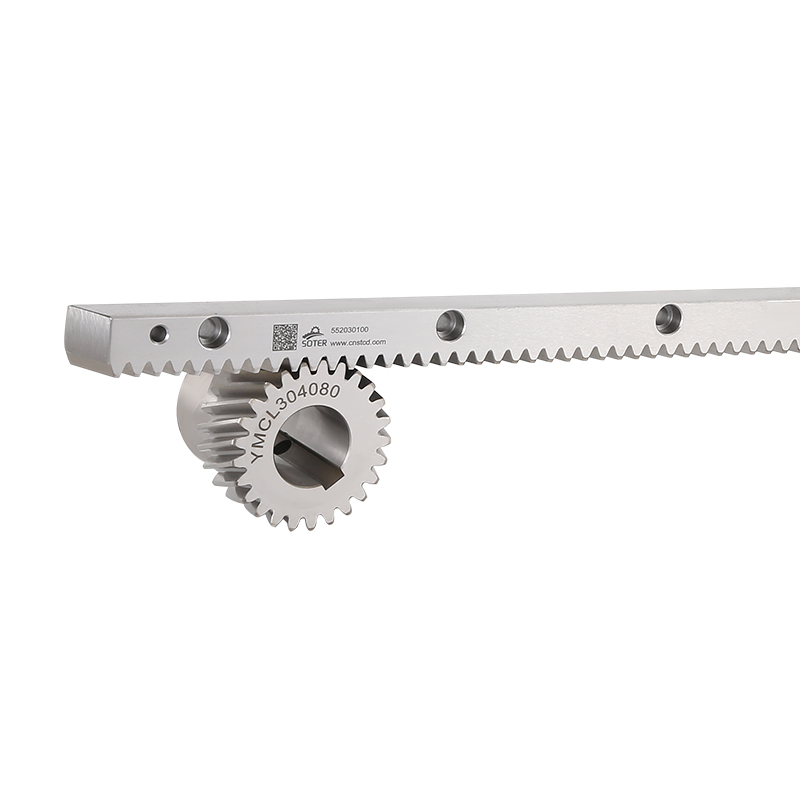
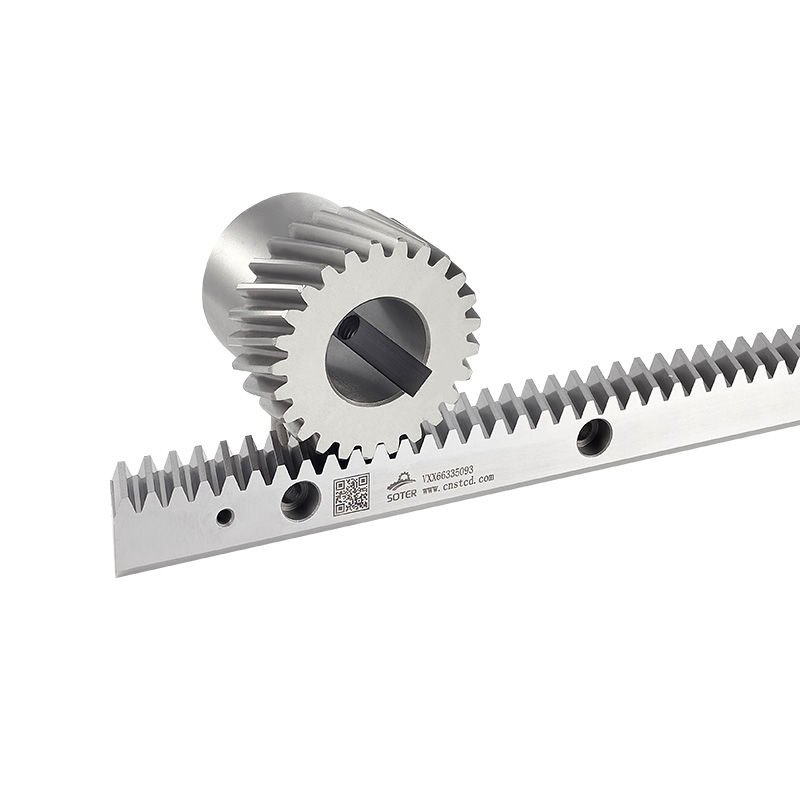
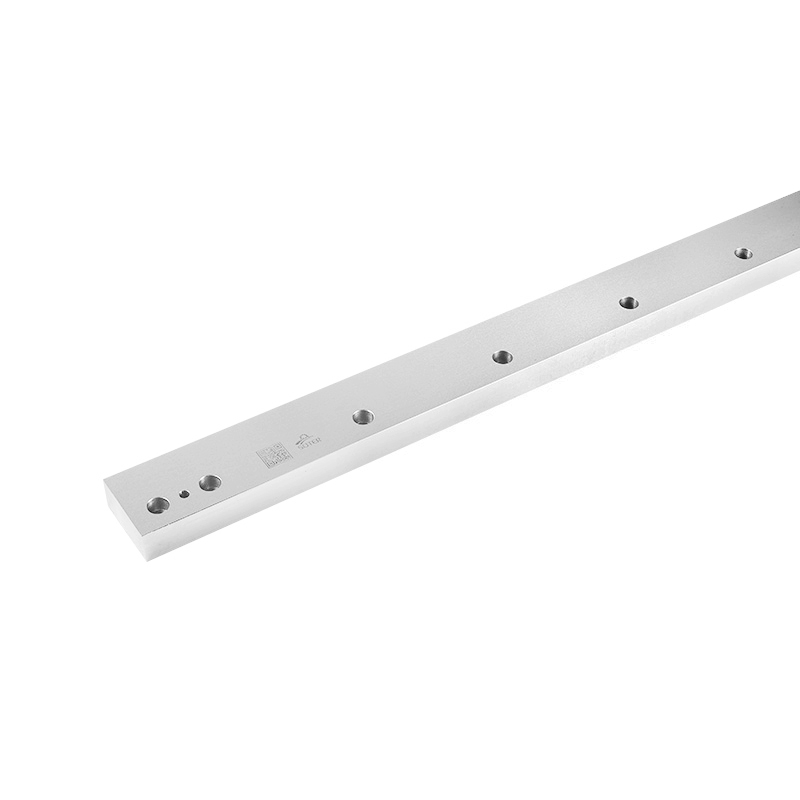
Behind that movement, rack and pinion systems often sit in a quiet but important role. They turn rotation into linear motion. They guide machines through predictable travel paths.
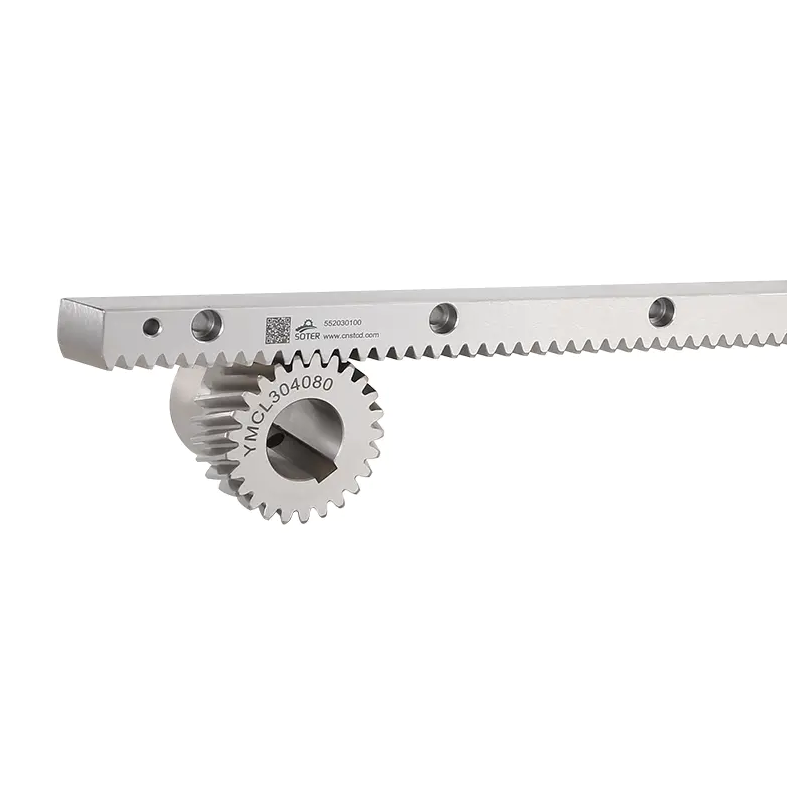
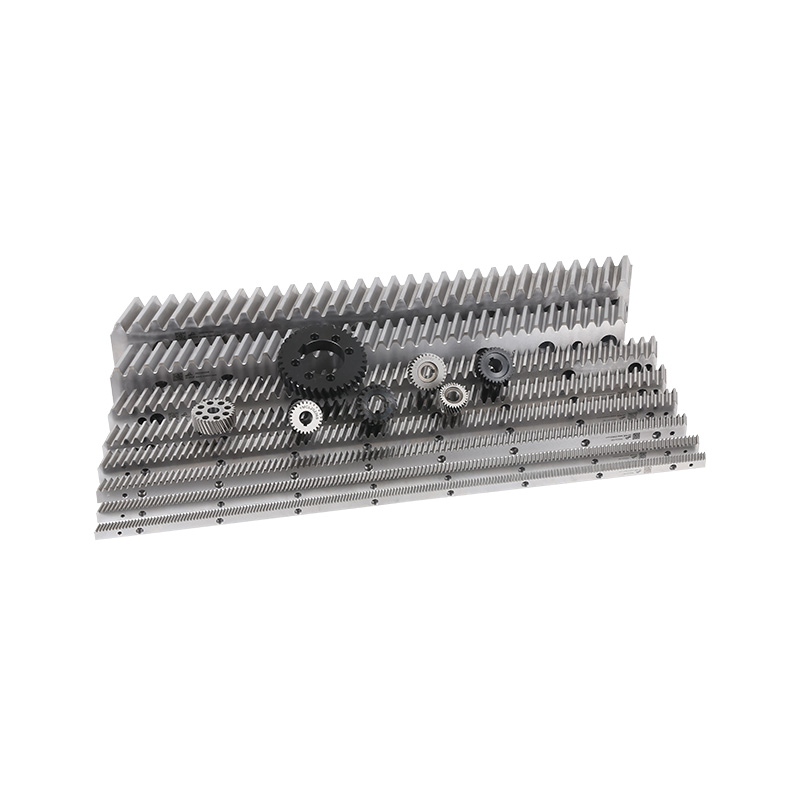
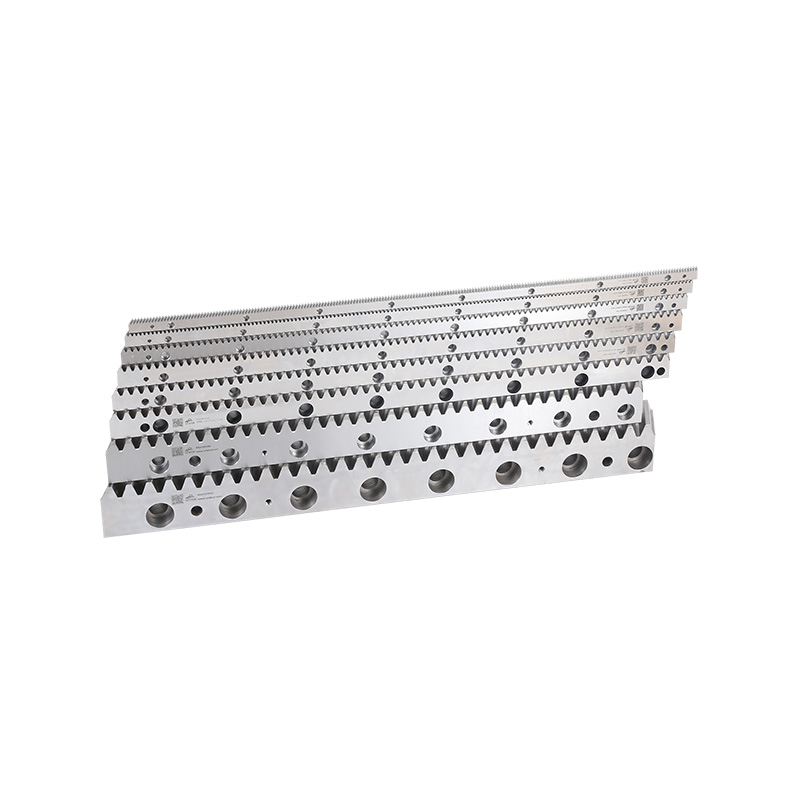
An industrial rack and pinion supplier is part of this structure. Not as a single product source, but as a provider of components that help motion systems stay stable inside production lines.
The value is not always visible at glance. It appears in alignment, repeatability, and how smoothly equipment behaves during long operation cycles.
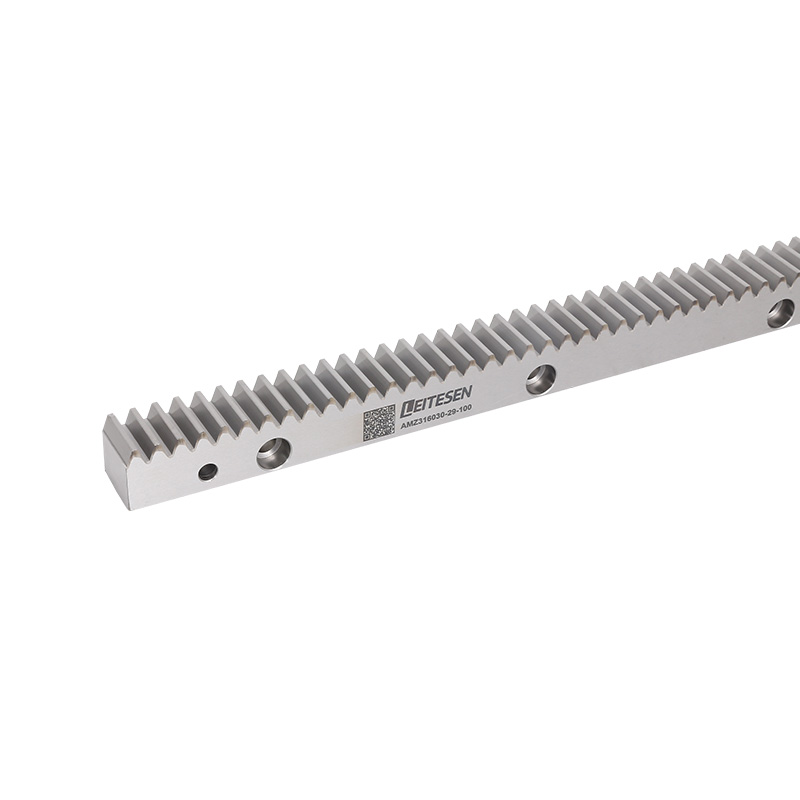
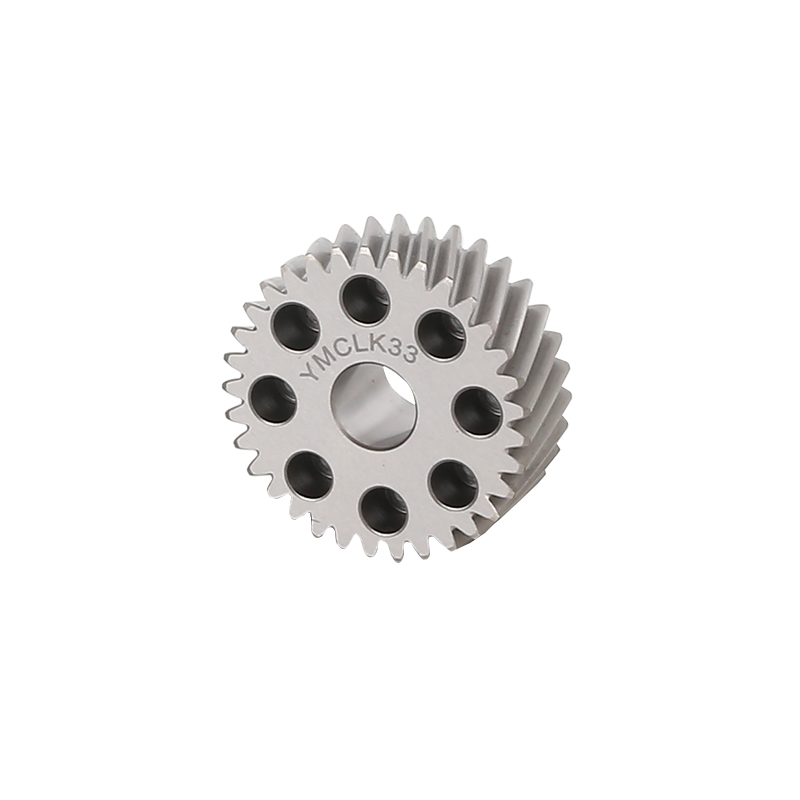
At a basic level, the supply is not just one item. It is usually a set of matched parts designed to work together in motion systems.
A typical supply scope may include:
These parts are usually selected based on how they will be used in real production environments. Some systems need long travel distances. Others focus on compact movement with repeated cycles.
The supplier's role often sits between standard production and application needs.
In manufacturing systems, motion often needs to be direct and repeatable. A machine head may need to move along a straight line. A platform may need to shift position before processing.
Rack and pinion systems handle this by linking rotation to linear travel.
The idea is simple in appearance:
This type of setup is often used where timing and position matter more than speed alone.
It is not about movement for its own sake. It is about controlled placement.
Manufacturing lines often repeat the same movement pattern for long periods. Stability becomes more important than variation.
Rack and pinion systems help support that stability in several ways:
In many setups, alternative motion methods may require more space or additional support structures. Rack and pinion systems offer a more direct connection between drive and movement.
That simplicity is part of why they remain widely used.
A supplier is not only responsible for delivering components. In many cases, the role extends into selection and system matching.
Manufacturing environments differ. Some involve heavy loads. Others focus on frequent small adjustments. Some operate continuously with minimal pause.
Because of that, suppliers often support:
The focus is not only on parts, but on how those parts behave once installed.
Material selection affects how motion behaves over time. It influences wear patterns, surface stability, and long-term consistency.
Different working environments place different demands on components.
| Working condition | Material focus | Practical outcome |
|---|---|---|
| Continuous motion | Stable surface behavior | Smoother long-term travel |
| Heavy load use | Structural resistance | Reduced deformation risk |
| Repetitive cycling | Wear control | More stable operation cycle |
| Variable load paths | Balanced flexibility | Adaptable movement response |
Suppliers often work with these conditions when preparing system options. The goal is not just initial fit, but ongoing performance during repeated use.
Precision in manufacturing movement is often linked to alignment. If motion shifts slightly off path, downstream processes can be affected.
Rack and pinion systems help maintain direction, but only when installation and matching are consistent.
Small factors can influence results:
Even minor deviation may not stop operation, but it can influence how smooth the motion feels over time.
That is why suppliers often focus on consistency across matched components rather than isolated parts.
These systems appear in many manufacturing environments where linear motion is required.
Common usage areas include:
In each case, the motion requirement is similar. A controlled shift from one position to another, repeated many times, without losing alignment.
The environments may differ, but the movement logic stays close.
Even a well-matched system depends on installation quality. Rack and pinion components must sit correctly within the machine structure.
During installation, attention is often given to:
If installation is uneven, movement may still occur, but it can feel less stable over time.
In manufacturing systems, small inconsistencies tend to appear more clearly after repeated cycles rather than immediately.
Linear motion systems do not operate in isolation. They interact with load changes, timing shifts, and continuous usage.
Some common challenges include:
Rack and pinion systems are often chosen because they can be maintained or adjusted without replacing entire motion frameworks.
That makes them practical for environments where downtime needs to be limited.
Long-term use in manufacturing is not only about durability. It is also about maintaining consistency as conditions slowly change.
Suppliers may support this through:
Instead of treating each part as independent, the system is often viewed as a connected structure.
This helps when parts need to be replaced without changing the full machine layout.
Adaptability comes from structure. Rack and pinion systems are modular in nature. They can be extended, shortened, or rearranged depending on machine design.
This flexibility allows them to be used in:
They do not require complex redesign when production needs shift slightly. Adjustments can often be made within the existing structure.
That is one reason they remain present in many industrial environments.
Consistency is not only about how a system starts. It is about how it continues after repeated use.
Rack and pinion suppliers contribute indirectly to this by:
When components behave in a predictable way, the system itself becomes easier to manage during long production cycles.
Modern manufacturing systems often combine multiple motion methods. Rack and pinion components usually form part of a larger movement structure.
They may work alongside:
In this setup, rack and pinion parts handle the physical translation of motion, while other systems manage coordination.
The result is a layered structure where each part has a specific responsibility in the movement process.
Share:
Related Products

If you have cooperation intention, please leave a message for us or use the following ways to contact us.We will reply to you as soon as possible and provide you with more sincere service, thank you.
Production
QR Code
Call Us :
+86-13758631128
E-mail :
sttc@cnstcd.com
Add :
31 piazza road, ruoheng town, wenling city, taizhou city, zhejiang province, China.
Copyright © by Zhejiang Soter Transmission Technology Co., Ltd. Rights Reserved.

China Rack And Pinion For Sale

 English
 中文简体
中文简体
 Español
 русский