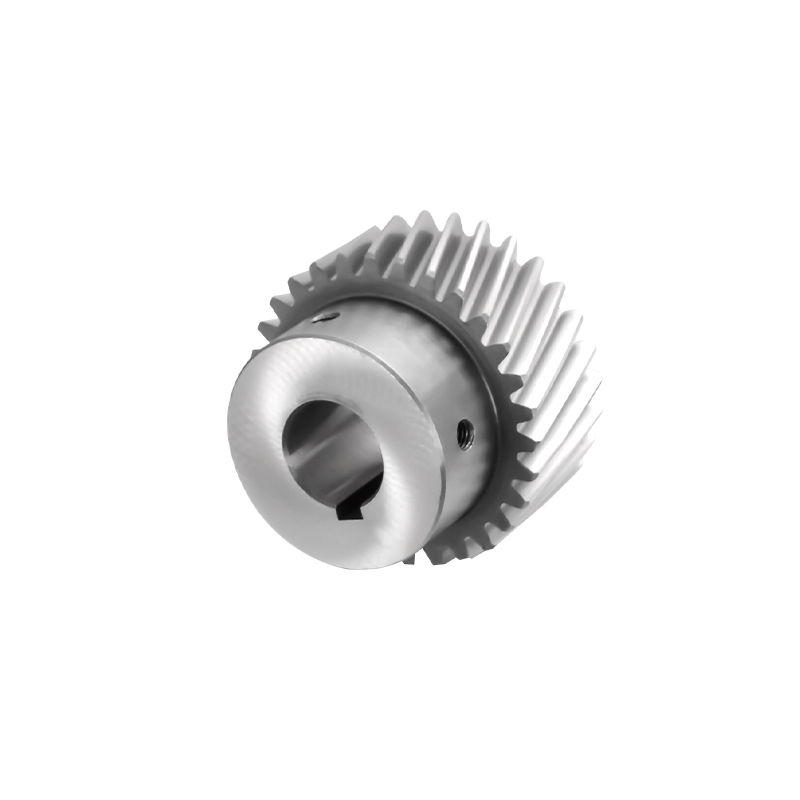
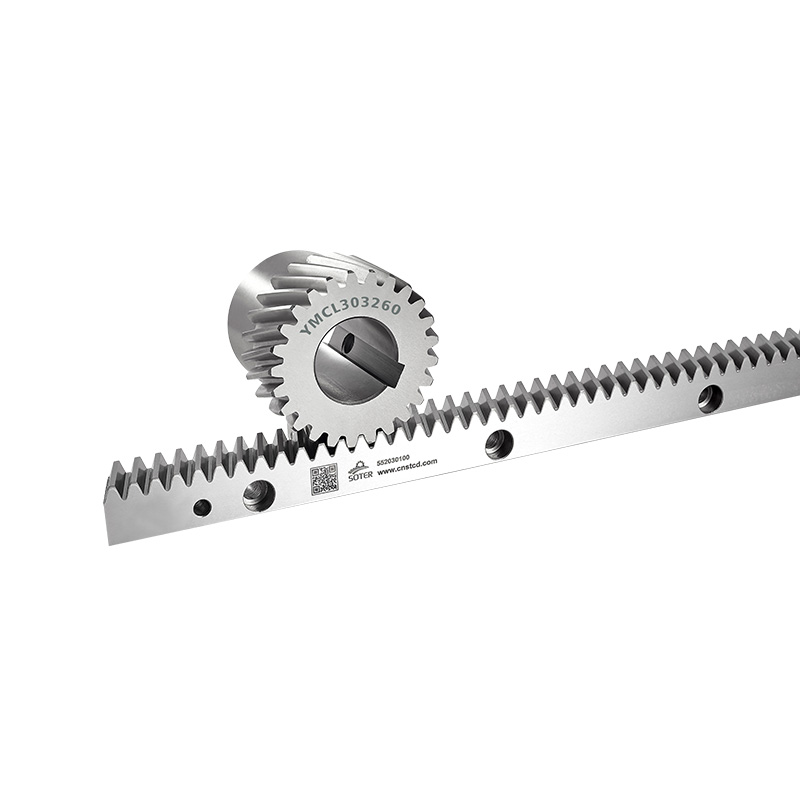
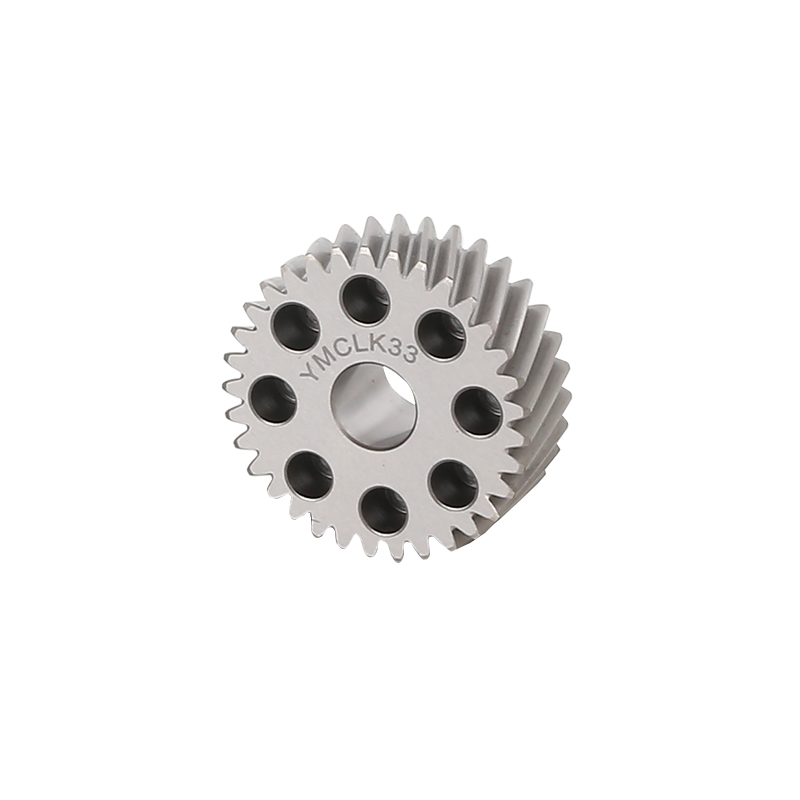
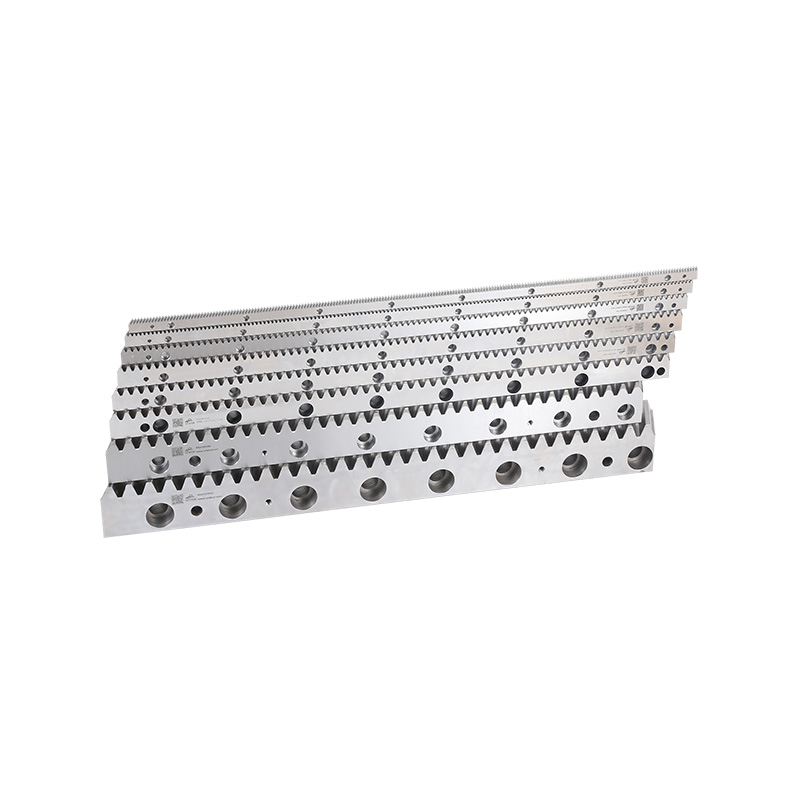
Precision Gear Rack systems are widely used in linear motion applications, CNC machinery, robotics, and automated equipment.
One critical factor affecting their performance is backlash, defined as the slight clearance or play between the gear teeth and the rack.
Backlash can arise from manufacturing tolerances, wear over time, thermal expansion, or improper assembly.
Understanding and controlling backlash is essential for achieving accurate positioning, smooth motion, and reliable system performance.
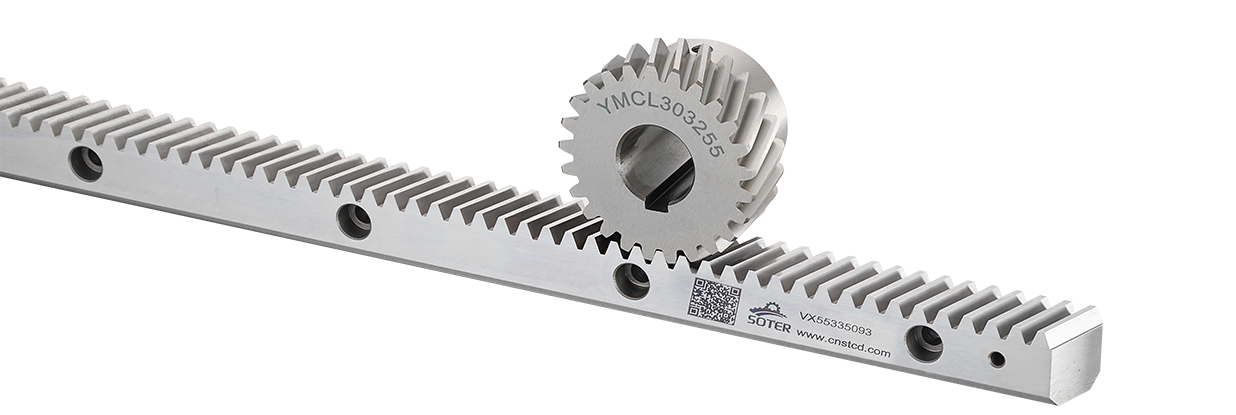
Understanding Backlash
- Backlash is measured as the amount of free movement or angular displacement that occurs before the teeth engage.
- In a rack-and-pinion system, it translates to a small linear displacement along the rack before movement is transmitted to the driven mechanism.
- While some minor backlash is unavoidable in mechanical systems, excessive clearance can severely impact precision.
- Backlash is influenced by factors such as tooth profile, material hardness, manufacturing precision, and assembly alignment.
Impact on Positional Accuracy
- Positional accuracy is directly affected by backlash.
- When reversing direction, the initial movement of the rack may not result in immediate motion of the driven component.
- This causes a lag in position control, which can compromise machining precision, robotic positioning, and measurement accuracy.
- High-precision applications, such as CNC milling or inspection equipment, are particularly sensitive to even small amounts of backlash.
Effect on Motion Smoothness
- Backlash introduces vibration or jerky motion during operation.
- Gear teeth may disengage slightly under load and re-engage abruptly, producing oscillations or noise.
- In high-speed applications, these effects can cause resonance, reduce efficiency, and accelerate wear on components.
- Systems that require smooth and continuous motion, like automated assembly lines, benefit from minimized backlash.
Load and Wear Considerations
- Excessive backlash affects load distribution along gear teeth.
- Uneven engagement increases stress concentration on certain tooth surfaces, accelerating wear and fatigue.
- Over time, this can cause material deformation, pitting, or even tooth breakage.
- Proper backlash control extends the lifespan of the Precision Gear Rack and associated pinion gears.
Methods to Reduce Backlash
Manufacturers employ several strategies to reduce backlash:
- High-precision machining: Tight tolerances on gear teeth and rack profiles reduce clearance.
- Preloading mechanisms: Springs or split pinions apply constant pressure to eliminate free play.
- Anti-backlash gears: Special designs with adjustable teeth or dual-pinion arrangements maintain continuous engagement.
- Proper lubrication: Reduces friction and compensates for minor wear, keeping backlash low.
System Design and Alignment
- Accurate assembly and alignment are critical for controlling backlash.
- Even well-manufactured racks can exhibit clearance if the pinion is misaligned or the mounting surfaces are uneven.
- Thermal expansion should be considered in systems operating under temperature variations, as it may increase or decrease tooth clearance.
- Regular inspection and maintenance help identify and correct any deviations that could increase backlash over time.
Applications Sensitive to Backlash
- CNC machines, robotic arms, and precision positioning tables require backlash for repeatable and accurate movements.
- Inspection equipment, laser cutting, and metrology instruments cannot tolerate significant clearance without compromising results.
- In contrast, some general-purpose automation applications may tolerate minor backlash without noticeable impact.
Backlash in Precision Gear Rack systems significantly affects positional accuracy, motion smoothness, load distribution, and component wear.
Reducing backlash through careful design, precision manufacturing, preloading, and proper maintenance is essential for high-performance applications.
Understanding the sources and impacts of backlash allows engineers to optimize rack-and-pinion systems for reliability, efficiency, and precision.
By controlling backlash, systems achieve consistent motion, extended lifespan, and improved operational quality, ensuring that both equipment performance and product outcomes meet strict tolerances.



 English
 中文简体
中文简体
 Español
 русский