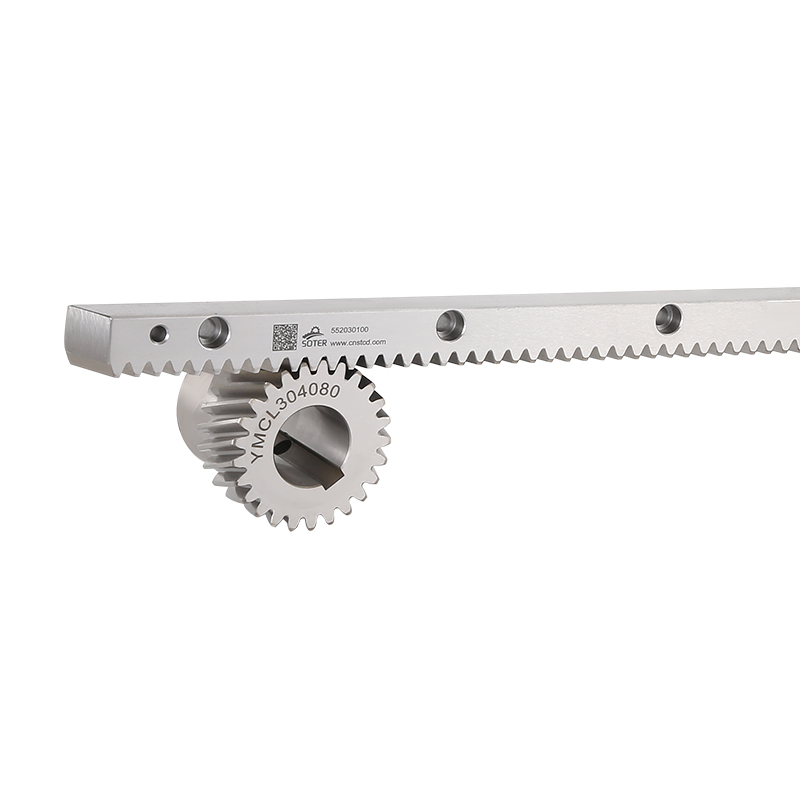
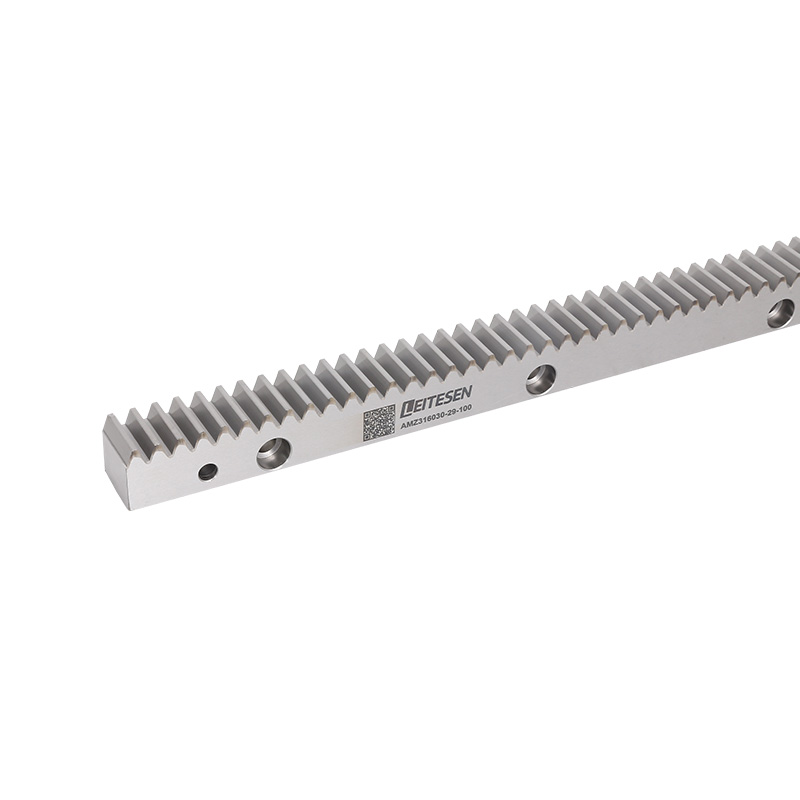
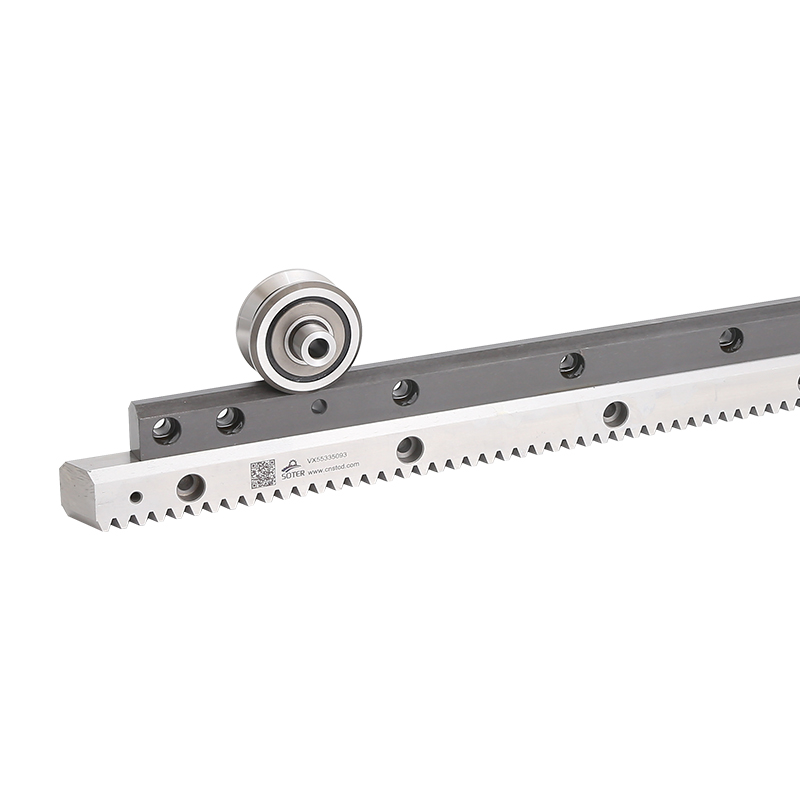
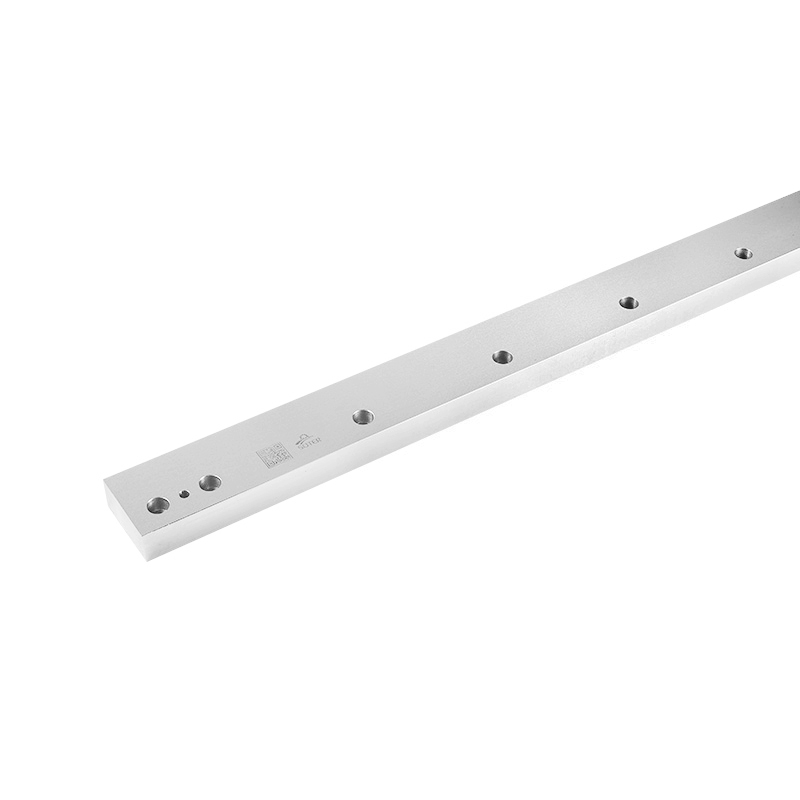
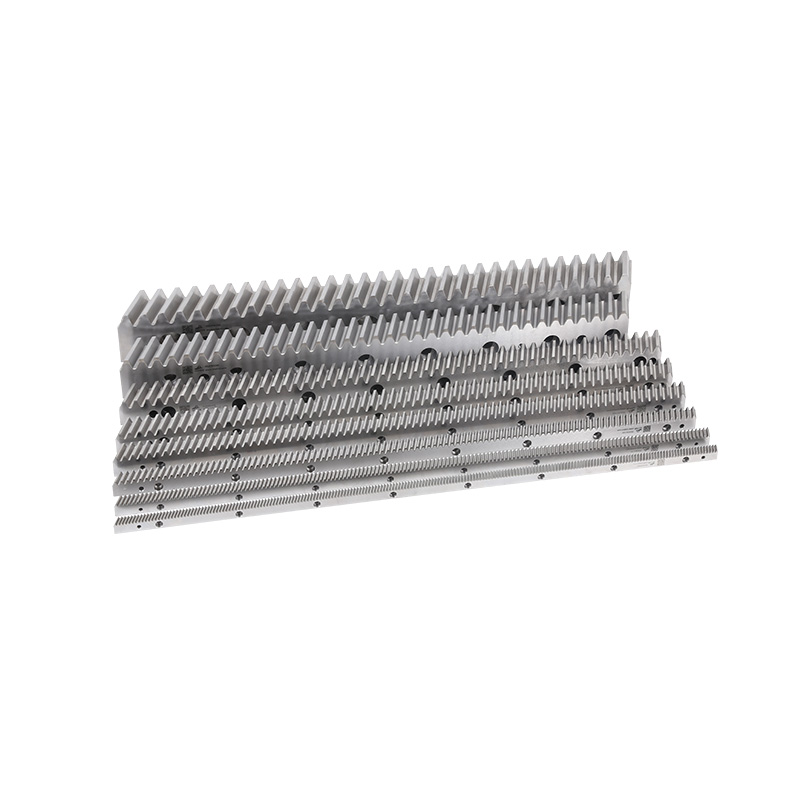
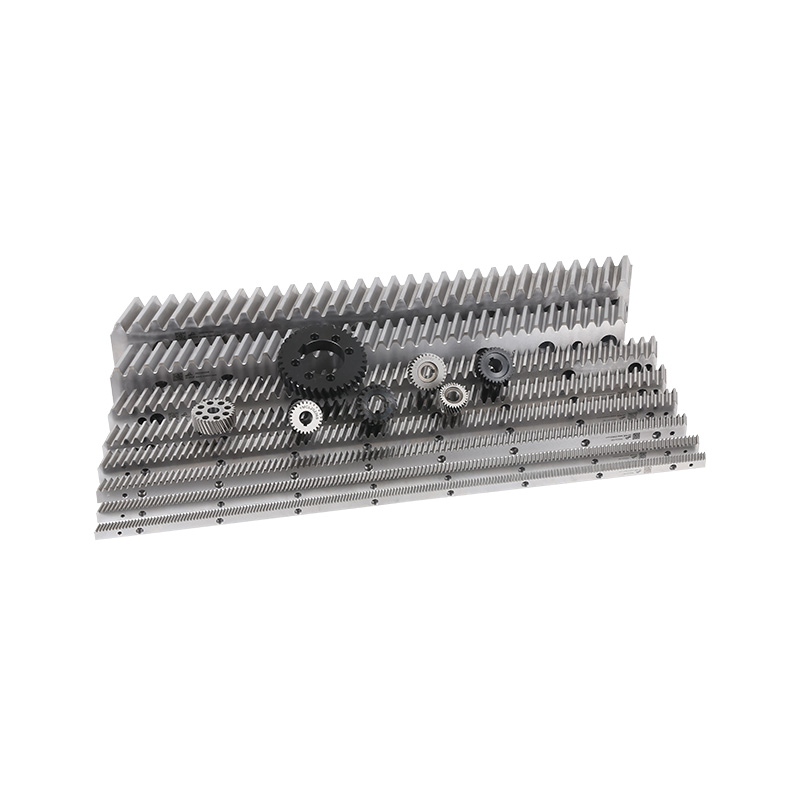
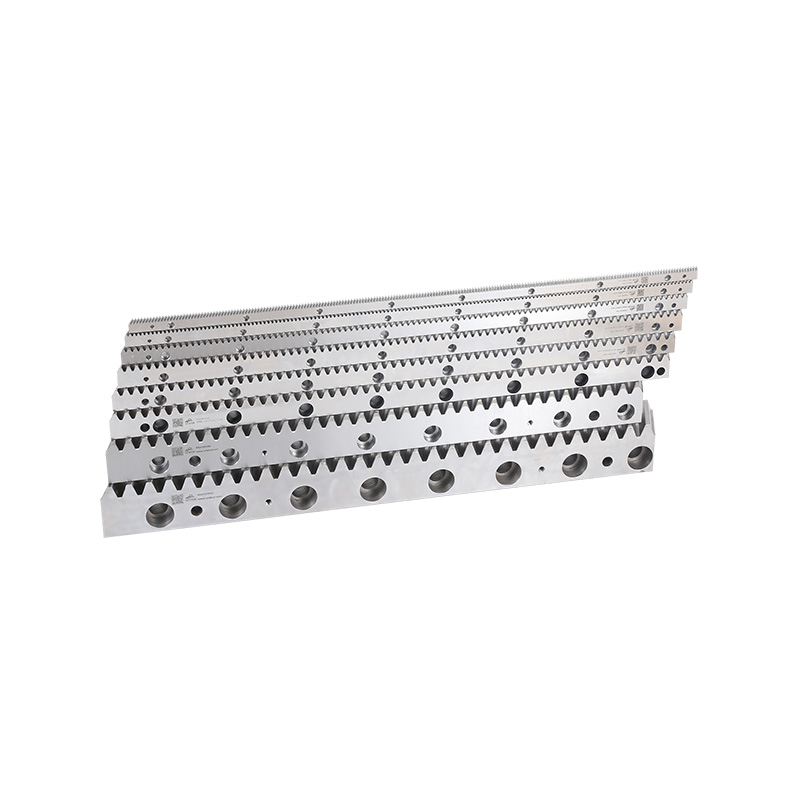
Industrial rack and pinion systems are widely used in machinery, automation, and material handling due to their efficiency and reliability in converting rotational motion into linear motion. One key factor affecting their performance and longevity is wear. Excessive wear can cause backlash, reduced precision, and ultimately system failure. Enhancing the wear resistance of industrial rack and pinion systems is essential to ensure smooth operation and prolonged service life. This article explores the factors that influence wear and practical strategies to improve durability.
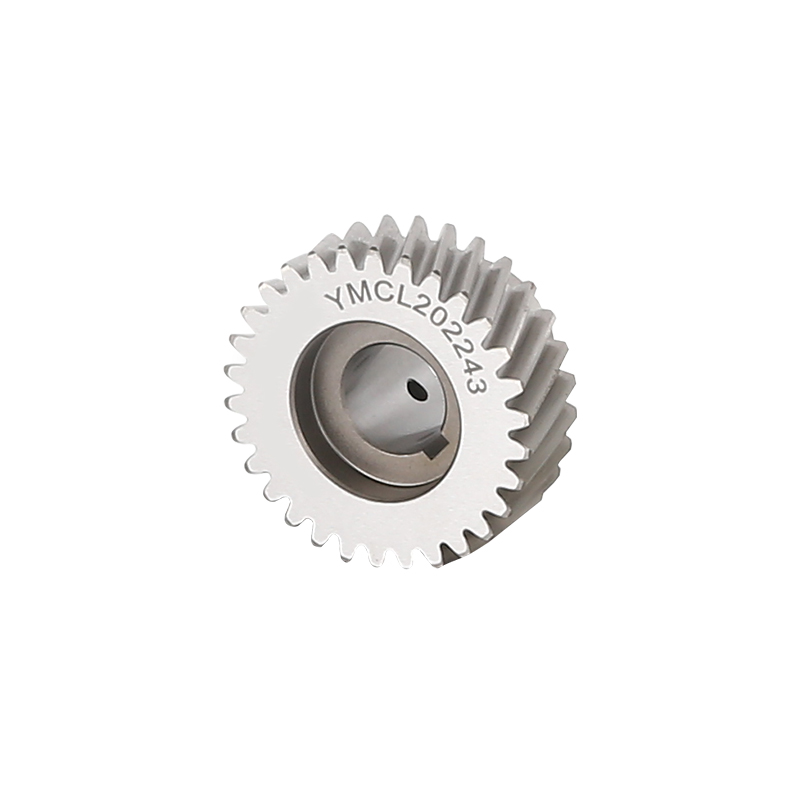
Material Selection for Enhanced Durability
- High-strength steel: Using alloy or carbon steels with high tensile strength can reduce tooth wear under heavy loads.
- Hardened materials: Heat-treated steel, through processes like carburizing or induction hardening, increases surface hardness and improves abrasion resistance.
- Surface coatings: Chromium plating, nickel plating, or other specialized coatings can reduce friction and protect against corrosion.
- Composite or coated pinions: In some cases, pairing a coated pinion with a rack made of durable material can enhance wear resistance.
Precision Manufacturing and Tooth Quality
- Accurate tooth geometry: Properly shaped teeth distribute load evenly across the contact surface, reducing localized wear.
- Tighter tolerances: Maintaining close tolerances reduces backlash and ensures consistent contact, preventing uneven wear patterns.
- Polished surfaces: Smooth surfaces reduce friction, heat generation, and micro-abrasion during operation.
- Quality control testing: Regular inspection and testing during production help ensure the gear teeth meet specifications for wear resistance.
Lubrication Strategies
- Choosing the right lubricant: High-performance lubricants reduce friction and prevent metal-to-metal contact. For heavy-duty systems, EP (extreme pressure) lubricants are recommended.
- Lubrication frequency: Regular application prevents wear and ensures the gear rack and pinion remain protected under continuous operation.
- Sealed or enclosed systems: Using sealed housings keeps lubricants in place and prevents contamination by dust, debris, or moisture.
- Temperature considerations: Selecting lubricants suitable for operating temperatures prevents viscosity breakdown and ensures consistent protection.
Environmental and Operational Factors
- Preventing contamination: Dust, dirt, or metal shavings can accelerate wear; using protective covers or bellows can mitigate this risk.
- Temperature control: Avoid excessive heat, which can soften surfaces and increase wear. Consider cooling systems for high-load or high-speed applications.
- Load management: Avoid overloading the rack and pinion system beyond its rated capacity to reduce stress and wear on teeth.
- Proper alignment: Misalignment causes uneven wear patterns and can reduce the effective life of the gear system.
Maintenance Practices to Extend Life
- Regular inspection: Periodically check for wear patterns, misalignment, and lubrication quality.
- Timely adjustments: Correcting alignment issues early prevents accelerated wear.
- Replacement of worn parts: Replacing severely worn components prevents damage to the entire system.
- Record-keeping: Tracking maintenance intervals and wear patterns helps predict potential failures and optimize operational schedules.
Advanced Design Considerations
- Rack and pinion geometry: Optimizing tooth profile for load distribution and reduced contact stress increases longevity.
- Surface treatments: Techniques like nitriding, shot peening, or laser hardening further improve resistance to fatigue and wear.
- Material pairing: Using compatible materials for the rack and pinion can reduce adhesive wear and friction.
Improving the wear resistance of Industrial Rack And Pinion systems involves a combination of material selection, precise manufacturing, lubrication strategies, environmental management, and regular maintenance. By using hardened materials, applying protective coatings, ensuring proper alignment, and adopting suitable lubrication practices, operators can significantly extend the service life of their gear systems. Collaborating with experienced manufacturers ensures that the rack and pinion components are designed and produced to withstand heavy-duty operation while maintaining precision and reliability. These strategies collectively reduce maintenance costs, reduce downtime, and improve overall system efficiency.



 English
 中文简体
中文简体
 Español
 русский