Jul 10, 2026
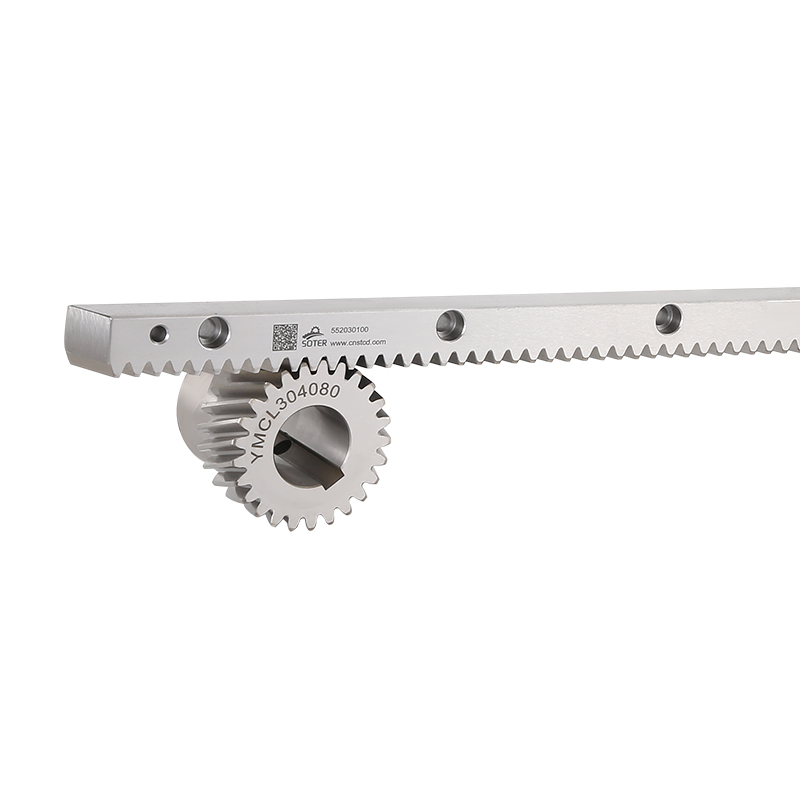
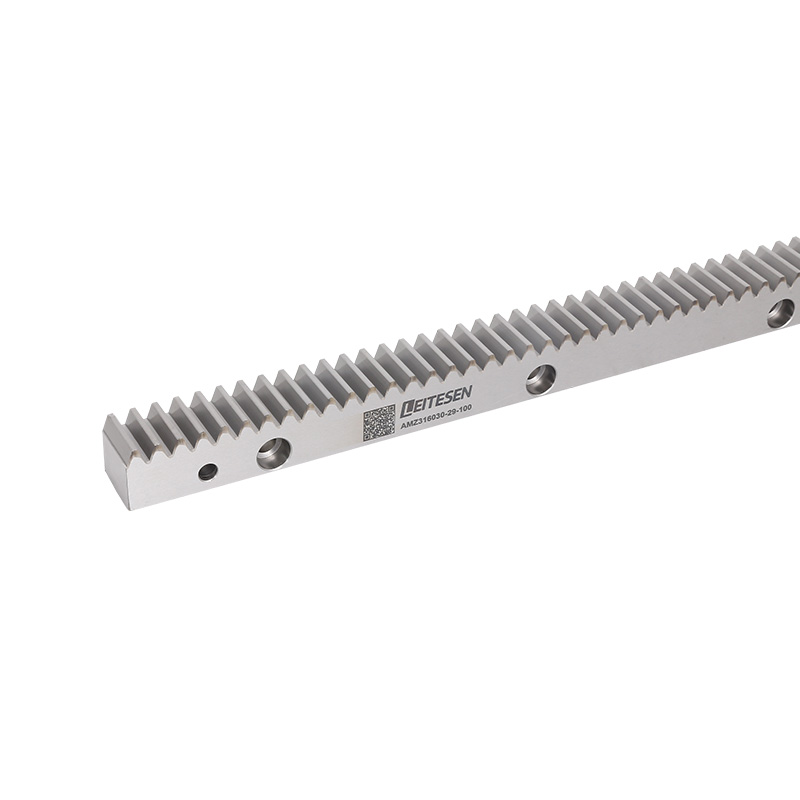
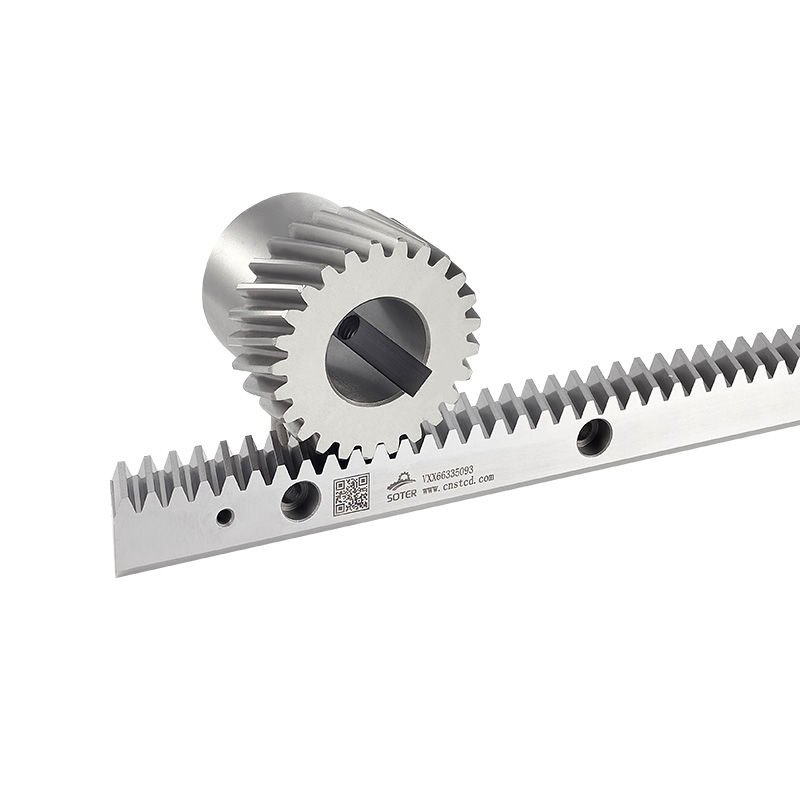
Movement inside modern machines often looks smooth and controlled. That movement is rarely simple behind the scenes. Many parts work together at the same time. Rack and pinion systems are one of the key structures used to convert rotation into straight motion.
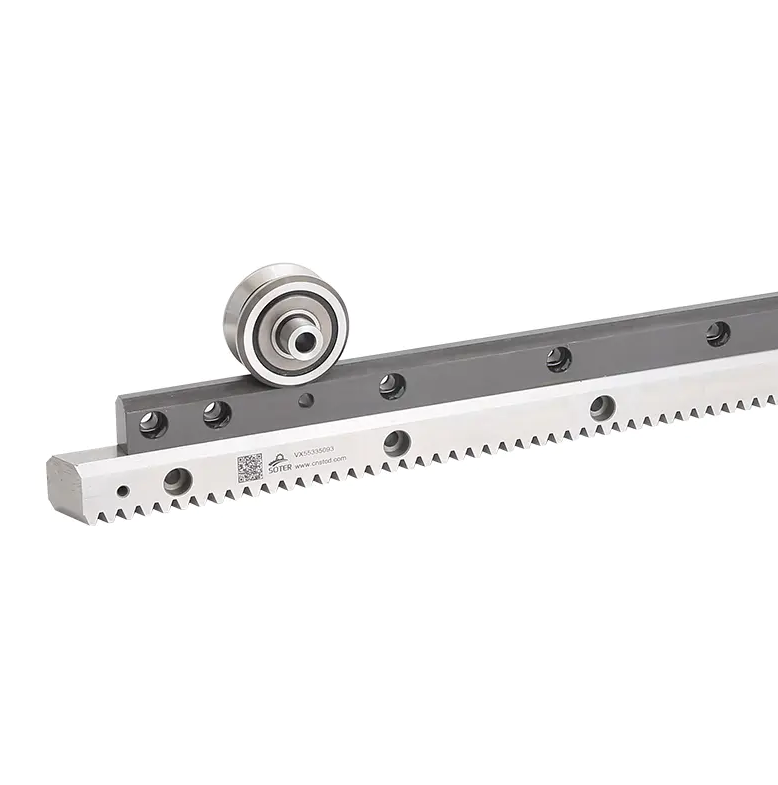
In recent industrial discussions, suppliers of rack and pinion gears are receiving more attention. The focus is no longer only on supplying parts. It is also about how those parts behave inside precision motion systems, especially when stability and repeatability are required.
Some mechanical structures stay in use for a long time because they solve a clear problem in a direct way. Rack and pinion systems turn rotational movement into linear travel without extra steps. This simple conversion makes them easy to apply in different layouts.
In precision systems, repeatable movement matters more than complexity. Machines often need to move to the same position many times. A stable rack and pinion setup can support this type of motion when the parts are well matched.
Suppliers influence this behavior through production control. Even small differences in tooth shape or surface condition can affect how movement feels during operation.
Precision is not only about design. It depends on how parts actually meet during movement. Suppliers play a direct role in controlling this contact.
Their work often focuses on:
When these elements are stable, motion becomes easier to control. Machines respond in a more predictable way. Operators can also notice smoother transitions during start and stop movements.
Accuracy is not only measured in numbers. It is also felt through motion behavior.
Material selection affects how components behave over time. Different working environments place different demands on motion systems. Some focus on continuous operation, while others focus on controlled movement under changing load.
Suppliers usually balance three key points:
A single material choice often cannot solve everything. The balance between durability and smooth interaction becomes important.
Surface treatment also plays a role. A refined surface can help reduce uneven contact. This leads to more stable motion and less variation during repeated use.
Noise in motion systems often comes from irregular contact between moving parts. When engagement is uneven, small impacts repeat many times during operation. These impacts create vibration, and vibration turns into sound.
Suppliers reduce this effect through several approaches:
The result is not silence, but a more even sound pattern. Machines feel less harsh during operation. Motion becomes easier to follow both visually and audibly.
A rack and pinion system rarely works alone. It is part of a larger structure that includes guides, motors, frames, and control units. Suppliers support integration in practical ways.
Common support areas include:
These details may look small, but they influence how easily a system can be built and adjusted. A well-matched setup reduces trial-and-error during installation.
Consistency is one of the important expectations in precision systems. Even small variation can affect movement feel. Suppliers face several practical challenges.
Below is a simple breakdown:
| Challenge Area | What Happens | Possible Effect on Motion |
|---|---|---|
| Production variation | Small differences between batches | Uneven movement feel |
| Surface condition changes | Minor roughness or wear marks | Increased friction |
| Alignment differences | Slight installation mismatch | Noise or vibration |
| Environmental influence | Temperature or handling changes | Material behavior shifts |
Suppliers manage these challenges through inspection routines, process control, and repeated adjustment of production steps. The goal is not perfection, but stable repeatability.
Precision motion systems are not all the same. Some focus on light movement. Others handle continuous or long-distance travel. Suppliers adjust their approach based on these needs.
Common adjustments include:
This flexibility allows the same type of system to be used in different environments without changing its core structure.
Motion systems change over time. Parts wear gradually. Contact surfaces adjust through repeated use. Supplier quality influences how stable this process remains.
A stable supply source can help in several ways:
Support does not end at delivery. In many cases, feedback between users and suppliers helps improve future production consistency.
Rack and pinion systems remain common in precision motion because they offer a direct and understandable structure. They do not rely on complex conversion steps.
Their main advantages in system design include:
Suppliers play a key role in making these advantages usable in real environments. Without consistent part quality, even a simple system can lose its stability.
Beyond technical performance, motion systems often have a "feel" during operation. This includes smoothness, resistance, and response timing.
Suppliers influence this through:
These small details shape how operators perceive the machine. A smoother feel often means less correction during operation and more confidence in movement control.
Modern motion systems continue to evolve. Layouts are becoming more compact. Movement is becoming more controlled. In this environment, rack and pinion systems still maintain a stable position.
Suppliers help this evolution by refining basic components rather than replacing them. Small improvements in consistency, surface quality, and integration support keep the system relevant.
Their role sits between design and real use. They translate mechanical ideas into usable, repeatable motion parts that can operate in different environments without losing stability.
Share:
Related Products

If you have cooperation intention, please leave a message for us or use the following ways to contact us.We will reply to you as soon as possible and provide you with more sincere service, thank you.
Production
QR Code
Call Us :
+86-13758631128
E-mail :
sttc@cnstcd.com
Add :
31 piazza road, ruoheng town, wenling city, taizhou city, zhejiang province, China.
Copyright © by Zhejiang Soter Transmission Technology Co., Ltd. Rights Reserved.

China Rack And Pinion For Sale

 English
 中文简体
中文简体
 Español
 русский