Nov 27, 2026
Heavy-duty machines often have to move big loads with control and stability. Industrial lifting equipment and automated production systems are typical examples. Many of them depend on a mechanical component that turns motor rotation into straight-line movement. Steel rack and pinion systems are a common choice for that job.
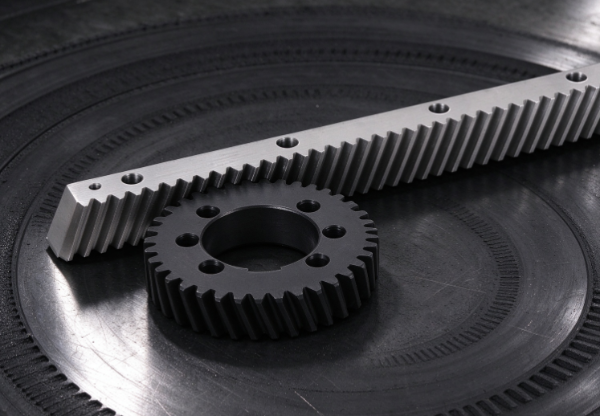
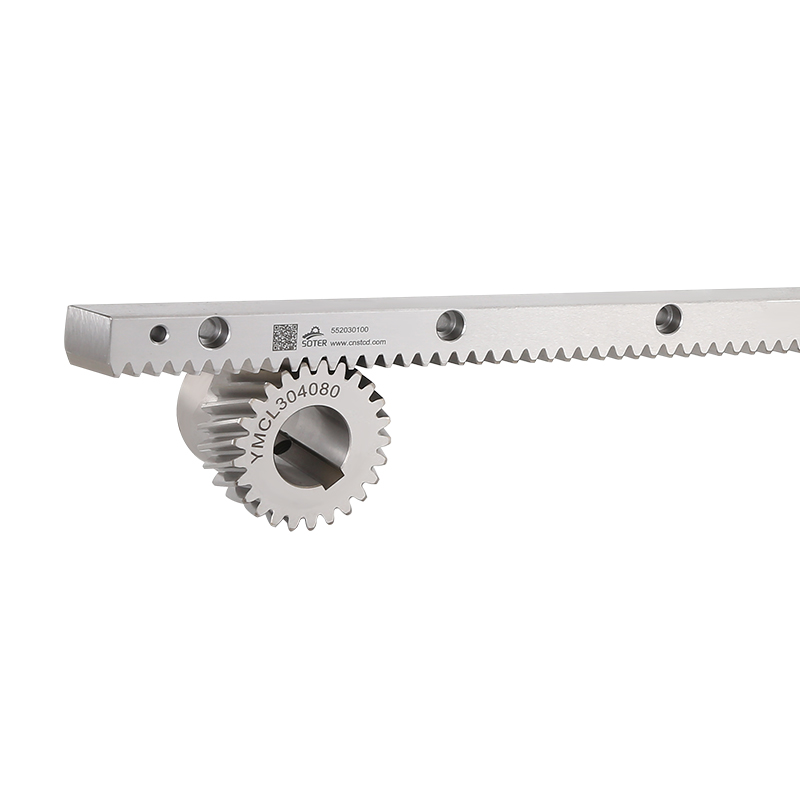
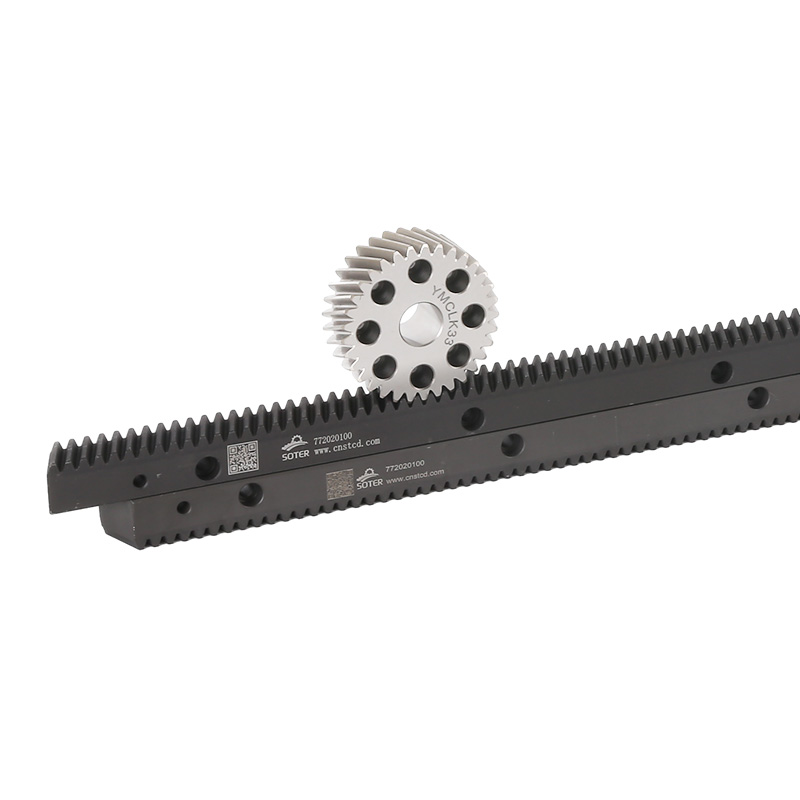
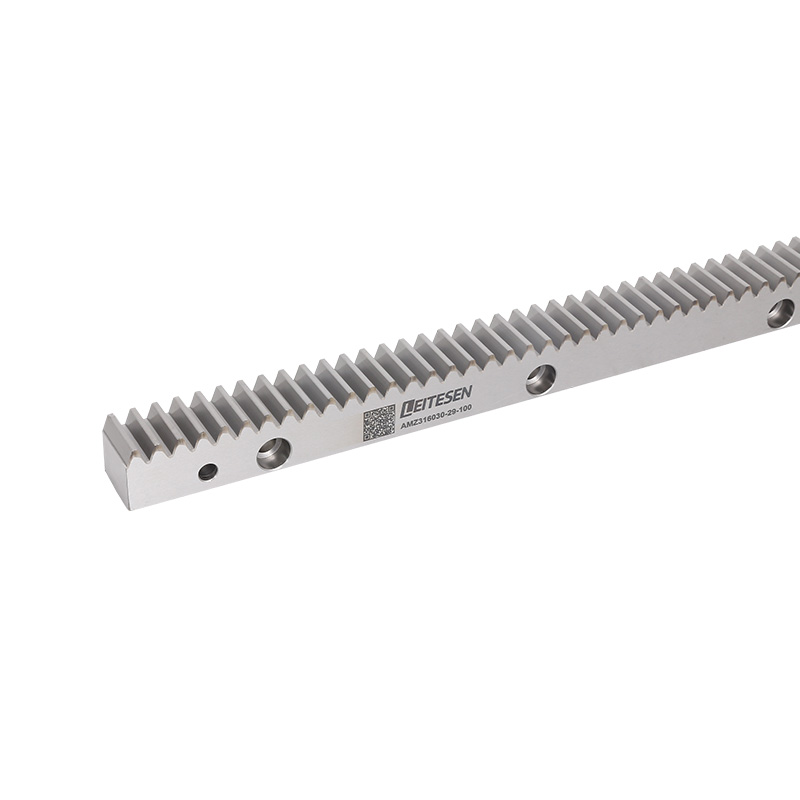
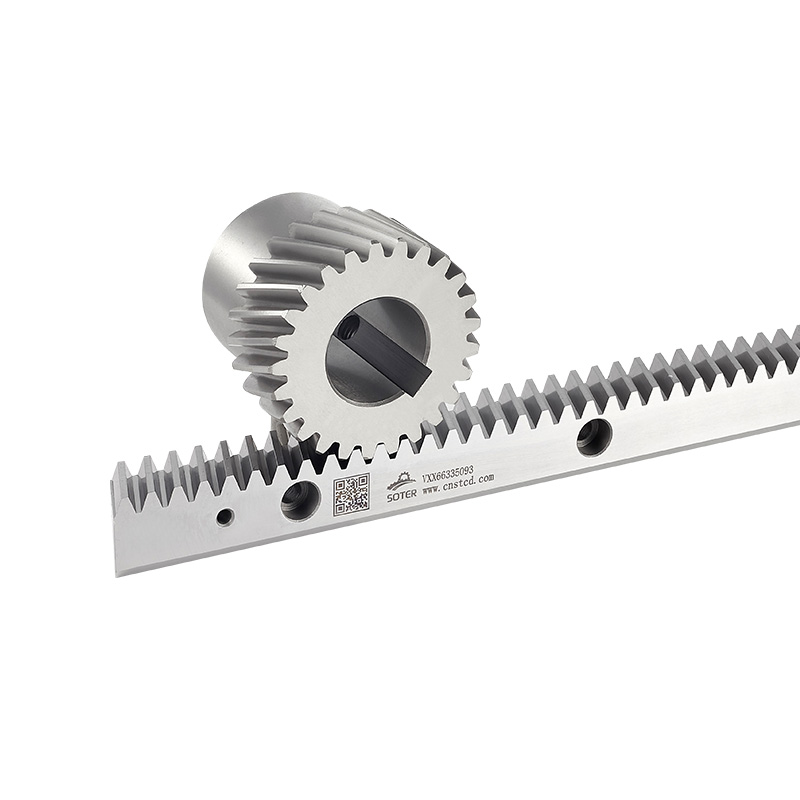
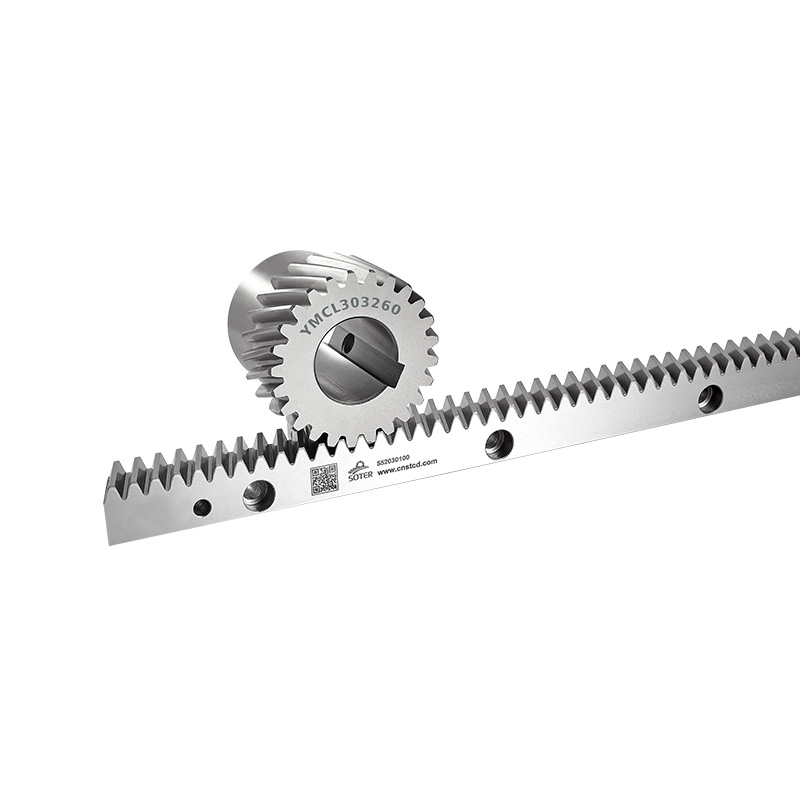
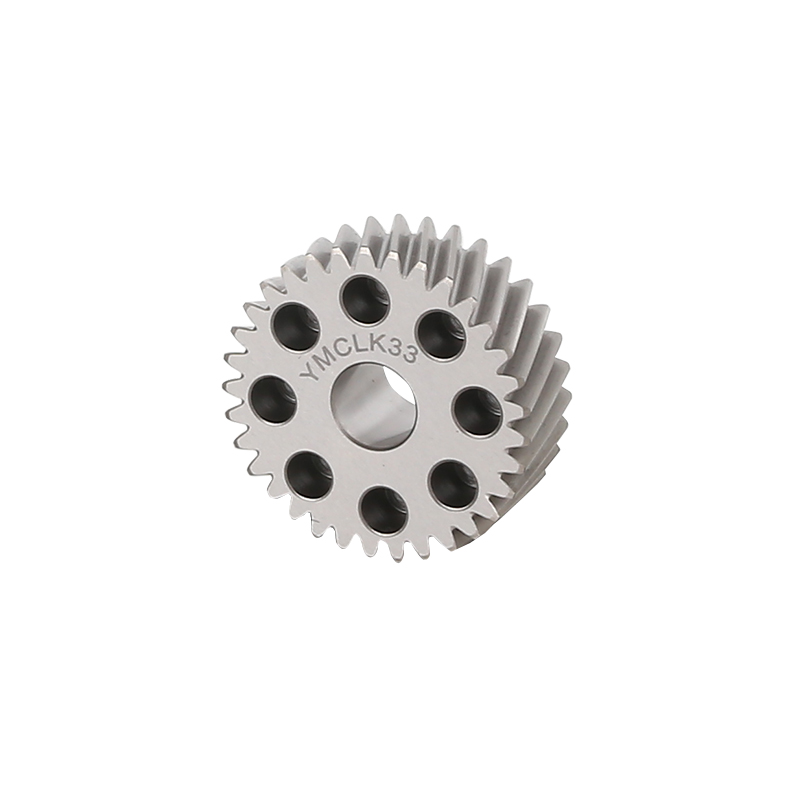
The system has two main parts. The rack is a straight bar with teeth along one side. The pinion is a round gear that meshes with those teeth. Turn the pinion and the rack travels in a straight line. It's a simple arrangement, and it does the job.
Steel is the usual material because its mechanical properties suit demanding conditions. Material alone doesn't decide whether a system can take heavy loads, though. Tooth design, manufacturing quality, installation, lubrication and operating conditions all affect performance.
So, is rack and pinion suitable for heavy-duty work? In many cases, yes. The key is to match the system design and material properties to what the equipment actually demands.
Heavy-duty machinery is tough on transmission systems. Parts may have to move heavy structures, handle repeated loading and keep movement stable through long operating cycles. A suitable mechanism must manage all this without excessive wear or unwanted play.
Rack and pinion systems offer several traits that help here.
Mechanical strength
Steel has good strength and load-bearing properties. Depending on composition and treatment, it can withstand substantial forces. That's why it's found in industrial machinery, lifting systems and large automated equipment.
Resistance to repeated loading
Many heavy machines work through constant repeated motion. Their transmission parts see continuous contact and shifting forces. Well-designed steel gears and racks can handle this when the material and manufacturing process fit the application.
Stable mechanical engagement
The teeth must stay properly engaged as the system moves. Steel parts give the structural support this needs. Suitable tooth geometry and accurate installation keep contact between the two parts smooth.
Adaptability to different machine designs
Racks and pinions can be built in many lengths, shapes and configurations. Equipment makers get room to plan linear movement for large machines or specialized equipment.
These traits explain why steel systems are used in demanding industrial settings. Still, suitability depends on the whole transmission design. A component that works well in one machine may be wrong for another with different loads or movement needs.
Seeing how force moves through the system explains its place in heavy machinery.
A motor or other driving mechanism turns the pinion. Its teeth engage the teeth on the straight rack, and as the pinion rotates, contact between the teeth pushes the rack along its length.
That movement can run lifting platforms, shift machine structures, position industrial equipment and control large mechanical assemblies.
The load passes through the contact between pinion and rack teeth. So tooth design has a direct effect on how the system handles force.
Several factors shape load handling.
Tooth shape and contact area
Tooth shape determines how the rack and pinion mesh. Proper geometry spreads contact forces across the working surfaces. A poor design can concentrate load in certain spots and raise the risk of wear or damage.
Material strength
Both parts need materials that can take the forces of operation. Steel grades are chosen for the application, and the material must also suit the manufacturing and heat treatment processes used to make the parts.
Support and mounting structure
The rack needs stable support along its working length. A weak or uneven mounting can let it shift or bend under load, which upsets tooth engagement and causes uneven contact.
Driving conditions
Heavy equipment rarely runs under steady conditions. Starting, stopping, acceleration and load changes all put extra demands on the transmission. Design around these conditions, not just the weight being moved.
A rack and pinion can transfer substantial force, but actual capacity depends on how all these factors combine. Choosing components without considering the surrounding machine structure can lead to operating problems.
Many industries use rack and pinion systems because they convert rotation into controlled linear travel in a practical way. Applications vary with machine structure, load requirements and operating conditions.
1. Industrial Automation
Large automated production systems often have to move equipment between working positions. Steel rack and pinion mechanisms appear in machine axes, positioning systems and material handling equipment.
Their linear movement lets manufacturers build machines that travel along a fixed path. Depending on the structure, the system may carry moving platforms, machine components or production assemblies.
2. Lifting and Material Handling Equipment
Lifting systems and handling machinery need transmission parts that cope with changing loads. Rack and pinion mechanisms may be used in lifting platforms, industrial positioning equipment and some vertical movement systems.
Here the whole lifting structure matters. The rack and pinion must work with suitable guides, supports, motors and safety arrangements. A transmission component alone can't guarantee safe lifting.
3. Construction Machinery
Construction equipment works in demanding conditions. Machines may have to move heavy structures, adjust working positions or control mechanical assemblies.
Rack and pinion systems can be built into equipment needing controlled linear movement. Suitability depends on exposure to dust, moisture, vibration and changing loads.
4. Railway and Transportation Equipment
Some transportation systems use rack and pinion mechanisms where ordinary wheel-driven movement doesn't meet the design needs. Steel components can support the mechanical engagement these applications require.
Such systems need careful engineering, since operating conditions, environmental exposure and safety requirements can be severe.
5. Large Industrial Machines
Large processing machines, cutting equipment and production systems may use rack and pinion drives to move machine structures or work platforms.
On these machines, movement accuracy and mechanical stability matter. The transmission must work with the frame and guiding structure to keep movement as intended.
The table below outlines common application areas.
| Industry | Typical Applications | Main Requirements |
|---|---|---|
| Industrial automation | Machine positioning and linear movement | Movement control and repeatability |
| Material handling | Lifting platforms and transfer equipment | Load support and structural stability |
| Construction | Mechanical positioning systems | Strength and environmental resistance |
| Transportation | Specialized movement systems | Reliable engagement and operational safety |
| Industrial machinery | Moving platforms and machine structures | Accuracy and stable operation |
These industries share the same transmission principle, yet their working conditions can differ greatly. Manufacturers should evaluate the specific machine application before choosing a steel rack and pinion system.
"Steel" isn't one material with one set of properties. Grades differ, and those differences change how racks and pinions perform.
For heavy-duty use, manufacturers weigh strength, hardness, toughness, wear resistance and the ability to survive repeated mechanical contact.
Carbon steel is common in mechanical transmission parts. Its properties can be tuned through material selection and heat treatment, and depending on the application it can serve racks and pinions that face repeated contact and load.
Alloy steel is another option. Added elements in its composition influence its mechanical properties, and certain alloy steels are picked for parts needing a particular mix of strength, toughness and wear resistance.
Stainless steel comes into play when corrosion resistance matters, for example in equipment exposed to moisture or some cleaning environments. The mechanical demands of the transmission must still be met.
Heat treatment is a key manufacturing step. It changes steel's properties and can raise surface hardness or other characteristics the application needs.
A rack or pinion might need hardened tooth surfaces to resist repeated contact and wear. At the same time, the core must stay tough enough to take mechanical forces without turning brittle.
So base the choice of material and treatment on the real working environment.
| Material Type | General Characteristics | Possible Applications |
|---|---|---|
| Carbon steel | Useful strength and machinability | General industrial transmission |
| Alloy steel | Adjustable mechanical properties | Demanding mechanical applications |
| Stainless steel | Corrosion resistance | Equipment exposed to moisture |
| Heat-treated steel | Improved surface hardness and wear resistance | Repeated-contact transmission systems |
Choosing on hardness alone can backfire. A component also needs enough toughness and structural strength. Look at the full working conditions, not one property.
Even a well-chosen system wears during operation. Heavy machinery often runs for long stretches, and the transmission parts face repeated tooth contact, vibration and shifting loads.
Knowing what causes wear helps manufacturers plan maintenance and avoid needless downtime.
Insufficient lubrication
Lubrication cuts friction between contacting tooth surfaces. Without enough, direct contact increases wear and heat. The right lubricant and schedule depend on the equipment design and environment.
Poor installation alignment
Rack and pinion must stay properly aligned. If the rack sits unevenly or the pinion is misplaced, tooth contact becomes uneven. Some areas then take more pressure than others and wear out early.
Overloading
Running a machine beyond its intended load puts excessive force on the transmission. That can damage teeth, cause deformation or lead to other mechanical problems.
Contamination
Dust, metal particles, moisture and other contaminants can get into the tooth contact zone. They raise friction or damage the working surfaces. Protective covers and regular cleaning help.
Incorrect backlash adjustment
Backlash is the small clearance between meshing teeth. Some is needed for smooth movement. Too much hurts positioning accuracy, while too little adds friction and causes operating trouble.
Inconsistent maintenance
Skipping inspections lets small problems grow into serious failures. Changes in noise, vibration, movement or tooth condition can signal that the system needs attention.
Service life depends on both the original design and how the system is used. Proper installation, suitable lubrication, load management and regular inspection all keep operation stable.
Machines differ in structure and movement needs, and a standard rack and pinion won't always fit the layout or conditions. Custom manufacturing adapts the parts to specific requirements.
A customized system can involve changes to length, tooth design, material, mounting structure and surface treatment.
Rack length and configuration
The rack must cover the machine's required travel. Some equipment uses a single rack, while larger systems may need several sections laid end to end along a longer path.
Tooth design
Tooth profile affects engagement. Manufacturers should weigh the driving mechanism, movement requirements and mechanical loads when choosing a design.
Material and heat treatment
Material can be picked to suit the environment and load conditions. Heat treatment may be applied to reach the surface properties required.
Mounting arrangements
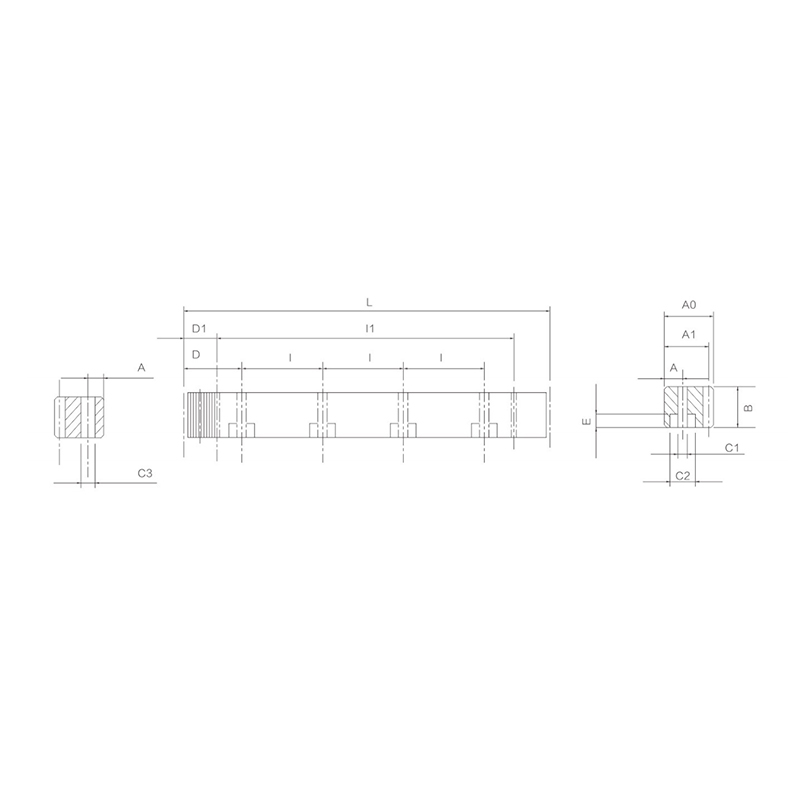
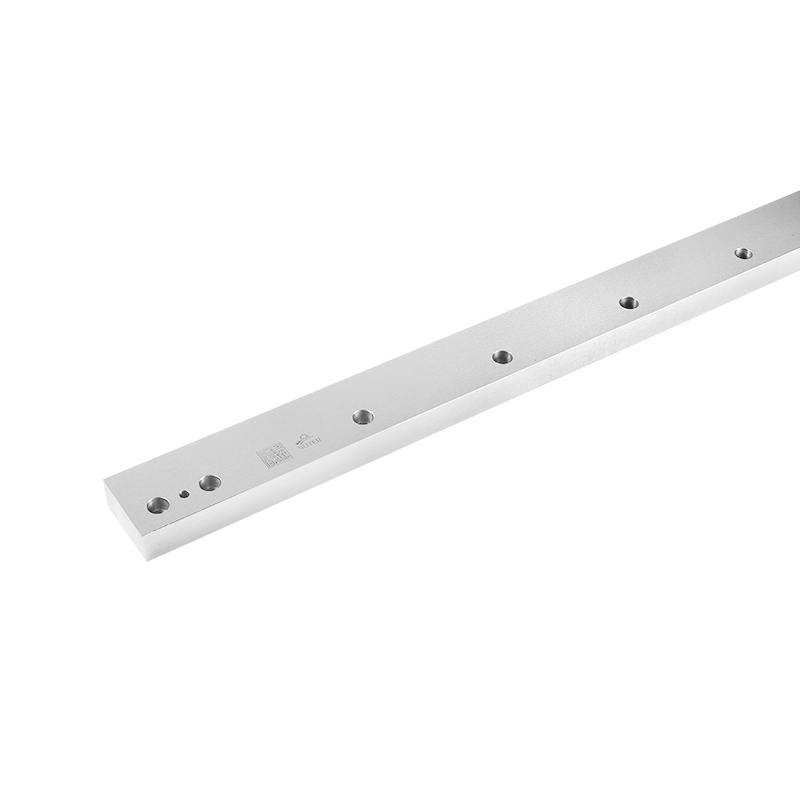
The rack must fit the machine structure. Mounting holes, connection surfaces and other installation features may need to follow the equipment drawing.
Surface protection
Machines used outdoors or in harsh industrial settings may need extra surface protection, chosen to match exposure conditions and the needs of the working components.
Custom production usually starts with a technical drawing or a talk about equipment requirements. The manufacturer reviews the component structure, movement path, material and installation method before preparing production.
Buyers should describe the application clearly. Details on load, operating environment, movement frequency and installation space help the manufacturer evaluate the design.
Customization doesn't automatically mean heavier loads can be handled. The final design must still be checked against its operating conditions.
For heavy-duty equipment, selection means looking at the whole transmission system. A part that seems right by material or size may still miss the real operating requirements.
Evaluate several factors before deciding.
1. Actual load requirements
Start with expected load. Consider not only the weight moved but also forces during starting, stopping, acceleration and direction changes.
2. Movement requirements
Travel distance, speed, positioning accuracy and operating frequency all shape the design. They help determine the right rack and pinion arrangement.
3. Working environment
Indoor machinery and outdoor equipment face different conditions. Dust, moisture, temperature swings and corrosive substances may affect material and surface treatment choices.
4. Manufacturing quality
Tooth shape, machining accuracy, surface condition and heat treatment all influence engagement. Learn the supplier's production and inspection procedures.
5. Installation conditions
The machine structure must support the rack properly. Check available mounting space, alignment requirements, support arrangements and maintenance access.
6. Maintenance requirements
Plan for lubrication, cleaning, inspection and replacement. A system that's hard to reach creates extra maintenance headaches.
7. Supplier experience
A supplier should understand the intended application and discuss suitable materials and manufacturing options. Reviewing technical drawings and actual working conditions makes that conversation more useful.
When assessing a supplier, ask about material selection, tooth machining, heat treatment, dimensional inspection and customization capabilities. Sample drawings or existing component specifications can also clarify project requirements.
Keep the focus on how the complete system will run inside the machine. Material strength, tooth engagement, installation structure and maintenance arrangements all have to work together to support heavy-duty movement.
Share:
Related Products

If you have cooperation intention, please leave a message for us or use the following ways to contact us.We will reply to you as soon as possible and provide you with more sincere service, thank you.
Production
QR Code
Call Us :
+86-13758631128
E-mail :
sttc@cnstcd.com
Add :
31 piazza road, ruoheng town, wenling city, taizhou city, zhejiang province, China.
Copyright © by Zhejiang Soter Transmission Technology Co., Ltd. Rights Reserved.

China Rack And Pinion For Sale

 English
 中文简体
 Español
 русский