Dec 12, 2025
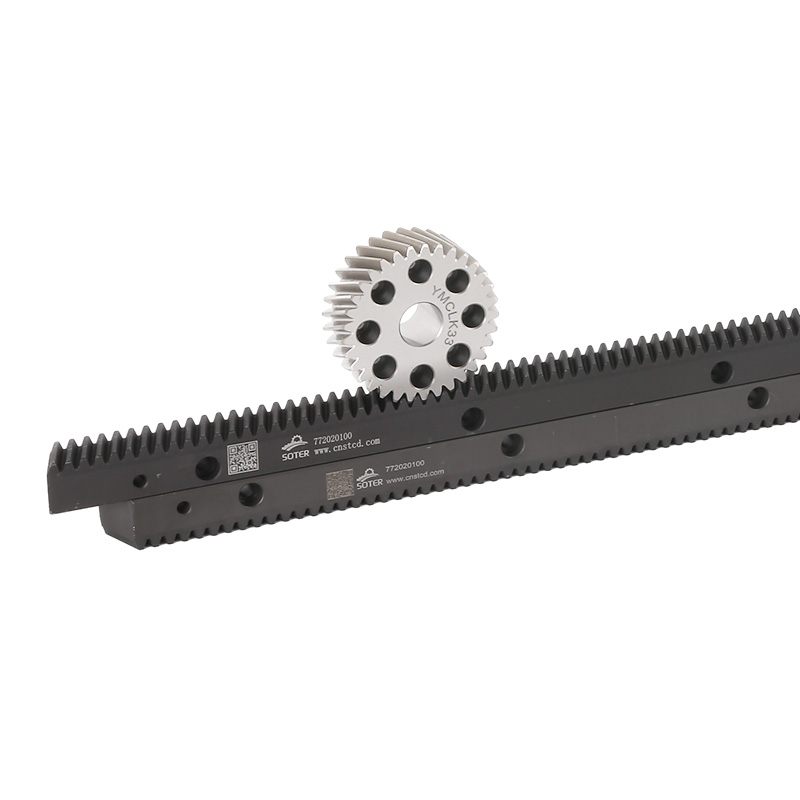
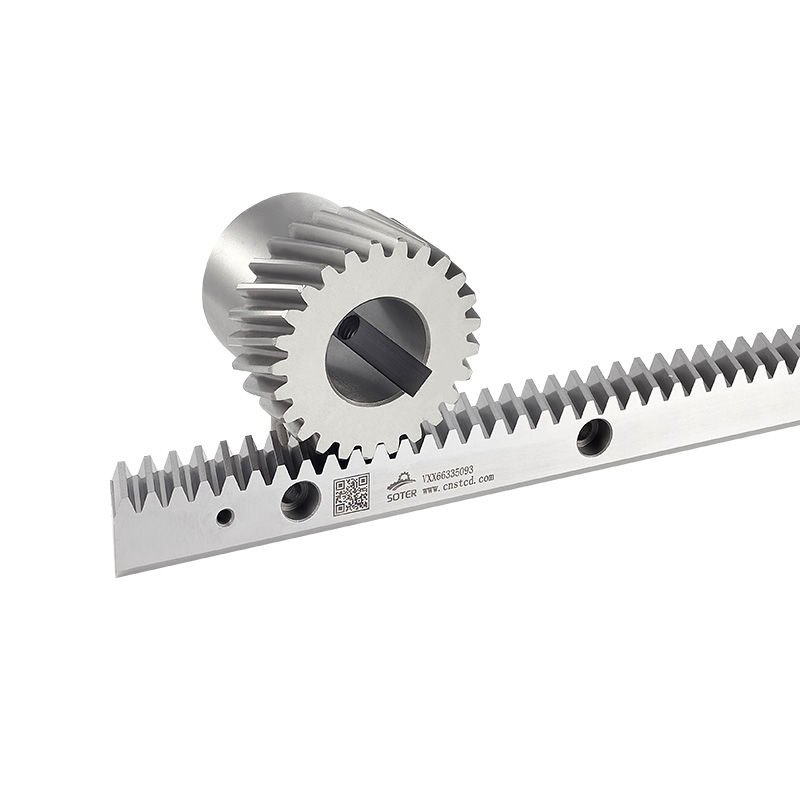
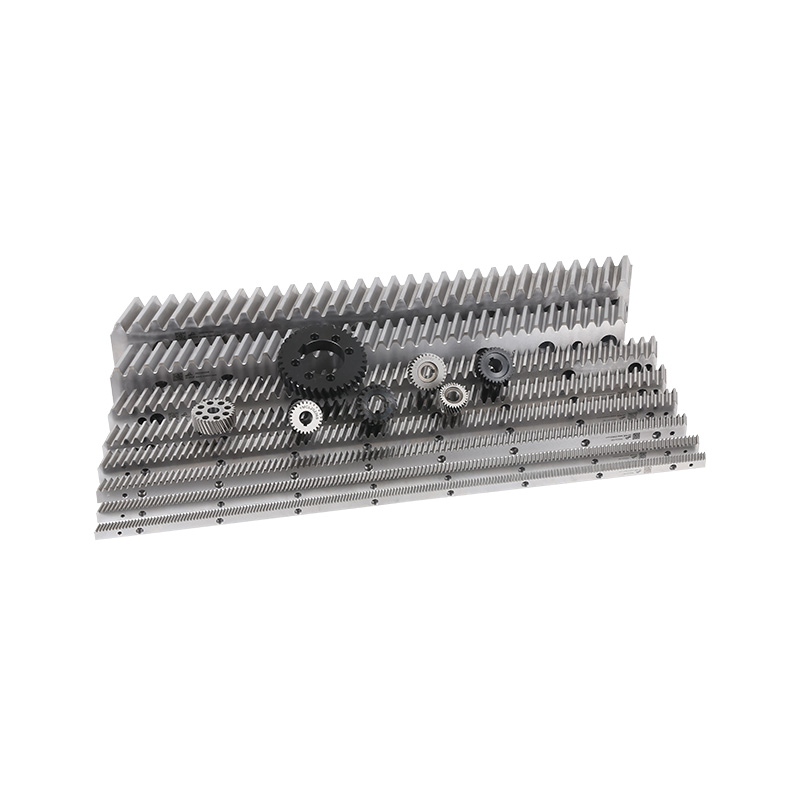
When discussing how different module sizes affect transmission performance, it is essential to consider the role that a Precision Gear Rack plays in determining meshing geometry and force distribution. The module defines the ratio between pitch diameter and the number of teeth, ultimately influencing the mechanical interaction between the rack and pinion. A larger module results in thicker teeth with higher load-bearing capability, while a smaller module delivers finer tooth engagement suited to applications that demand accuracy. These variations create measurable differences in how smoothly power is transmitted, how resistant the system is to wear, and how efficiently motion is converted from rotary to linear form. Selecting the right module, therefore, requires balancing mechanical strength, transmission accuracy, and operating conditions rather than relying on a one-size-fits-all parameter.
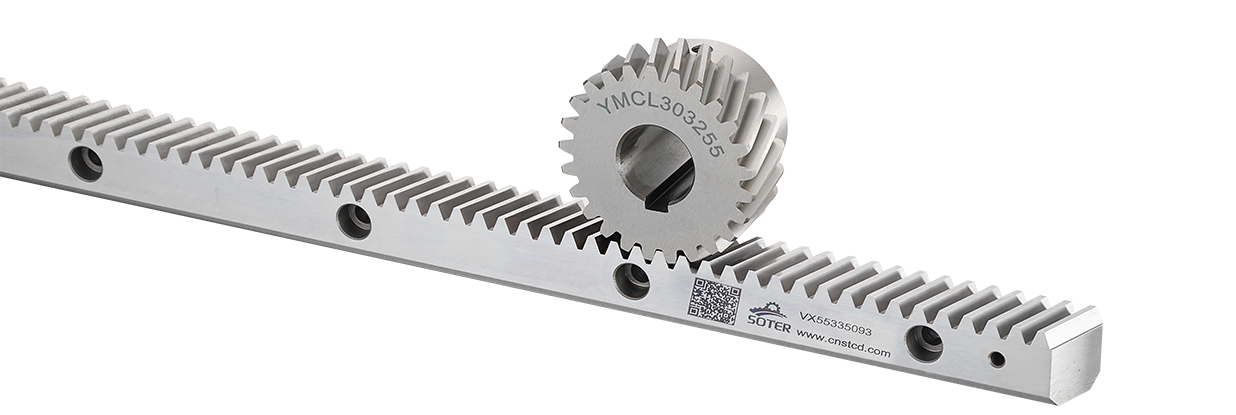
Module size directly determines the structural rigidity of individual teeth, and this makes load capacity one of the significant distinctions between different modules. Larger modules feature robust geometries that tolerate higher tangential forces without risk of deformation, which is critical in heavy industrial automation, lifting platforms, or equipment subjected to impact loads. Smaller modules, by contrast, offer limited tooth thickness and reduced root strength, making them unsuitable for excessive loads. However, minimal friction and lower inertia. This contrast means that module size should be matched to both the magnitude and frequency of applied forces to avoid premature wear or tooth breakage. Improperly selected modules often cause noise, increased backlash, and reduced positional accuracy under stress.
Another key distinction lies in transmission smoothness. Smaller modules tend to produce more refined contact between the rack and pinion, generating smoother motion because of the increased number of teeth engaged per rotation. This is especially useful in high-precision linear positioning systems, where even micro-variations in tooth geometry can influence accuracy. Larger modules, with fewer and thicker teeth, may generate more noticeable meshing pulsation, which can introduce vibration or micro-impacts at high speeds. Although such effects can be reduced through high-quality machining and surface finishing, the inherent geometry still makes smaller modules good for instruments requiring fine positioning. Meanwhile, heavier machinery that prioritizes robustness over precision benefits from the more durable engagement afforded by larger modules.
Speed requirements also shape the differences between module selections. Smaller modules generally support higher speeds because their reduced mass lowers inertial forces, enabling the pinion to rotate more efficiently with less heat generation. This characteristic enhances energy efficiency in continuous-motion applications such as automated conveyors or rapid-cycling actuators. Larger modules produce increased frictional contact at high loads, causing temperature rise and potential lubrication challenges. Although proper materials and modern coatings can offset these drawbacks, the fundamental geometry still favors small-module designs in systems demanding long periods of uninterrupted, high-speed motion. Understanding how modules influence thermal behavior helps engineers design drive systems that remain stable even after extended operation.
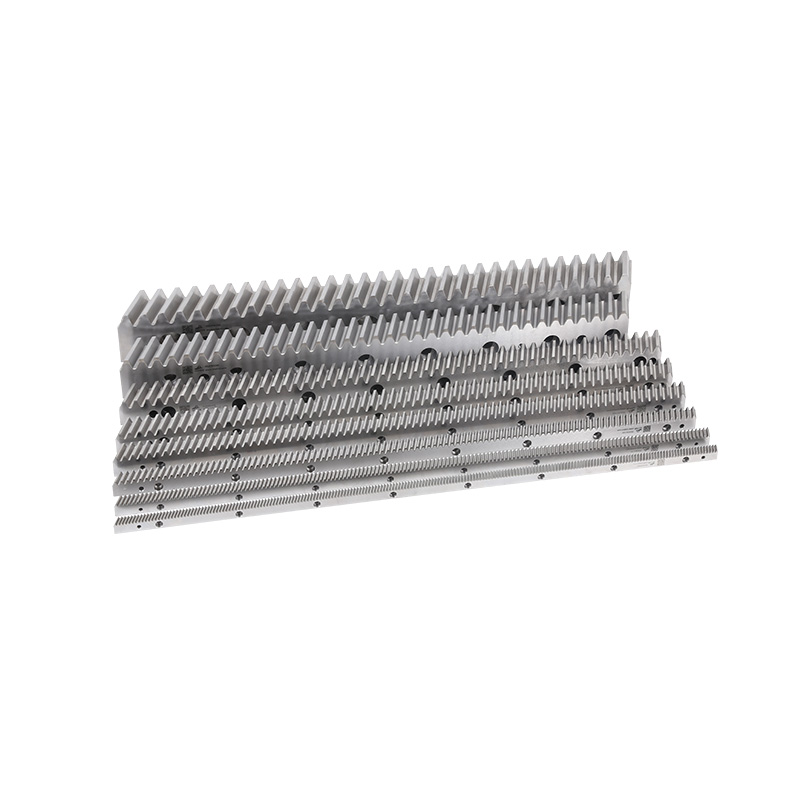
Choosing the right module for a gear rack system is ultimately a matter of understanding application-specific trade-offs. Smaller modules excel in precision tasks, offering quieter operation, minimal backlash, and finer step resolution. Larger modules dominate in heavy-duty scenarios, delivering higher torque transmission, good impact resistance, and longer service life. In some cases, hybrid design strategies—such as hardened tooth surfaces, optimized pressure angles, or preloaded assemblies—can help mitigate the limitations of a given module. However, these engineering enhancements do not eliminate the fundamental mechanical differences introduced by module size. By carefully evaluating load, speed, vibration, precision, and operational environment, engineers can make informed decisions that result in optimized transmission performance and long-term reliability.
Share:
Related Products

If you have cooperation intention, please leave a message for us or use the following ways to contact us.We will reply to you as soon as possible and provide you with more sincere service, thank you.
Production
QR Code
Call Us :
+86-13758631128
E-mail :
sttc@cnstcd.com
Add :
31 piazza road, ruoheng town, wenling city, taizhou city, zhejiang province, China.
Copyright © by Zhejiang Soter Transmission Technology Co., Ltd. Rights Reserved.

China Rack And Pinion For Sale

 English
 中文简体
中文简体
 Español
 русский