May 22, 2026
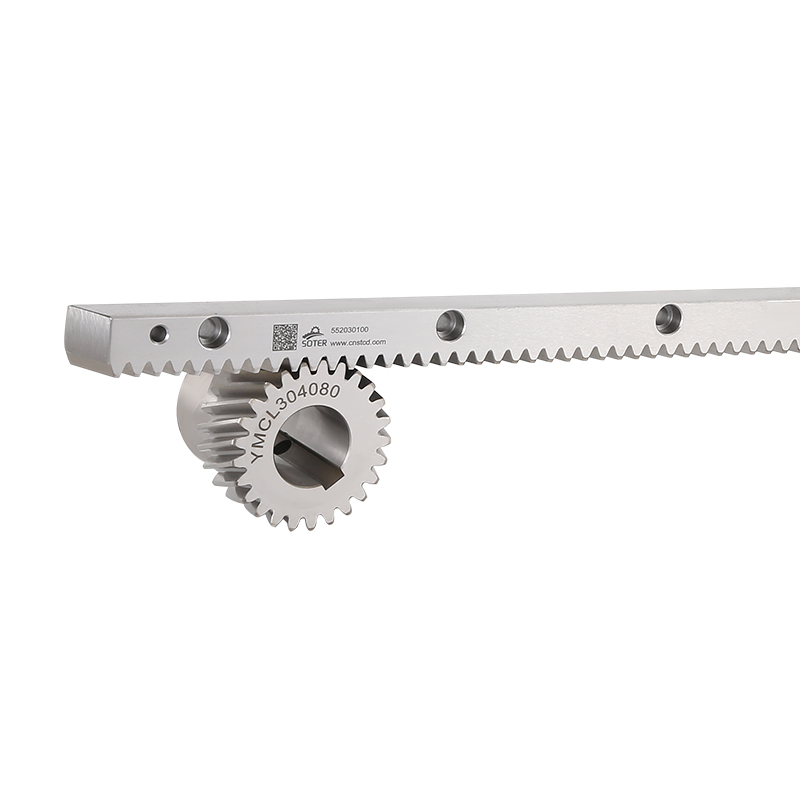
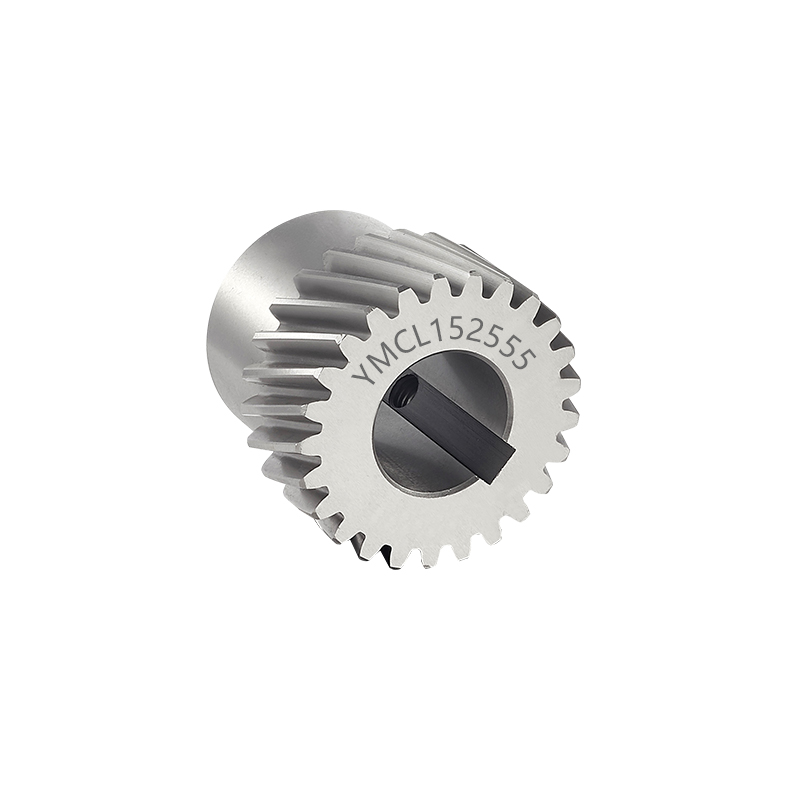
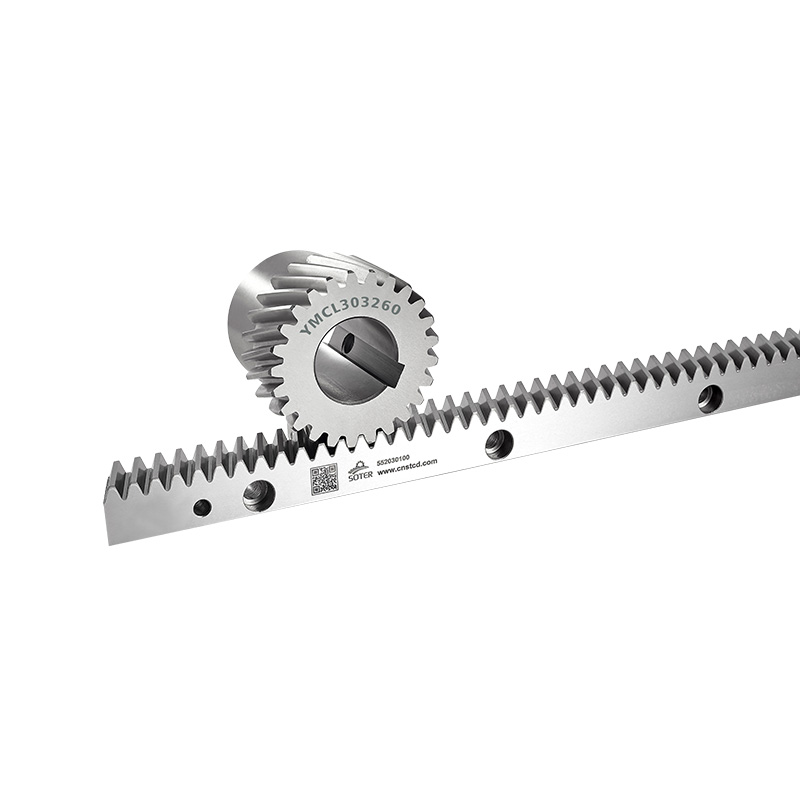
Walk into a workshop or production floor and watch a machine move along a straight path. It might slide quietly across a frame, stop, then return along the same line. The motion looks simple. Behind it, a rack and pinion system is often doing the work.
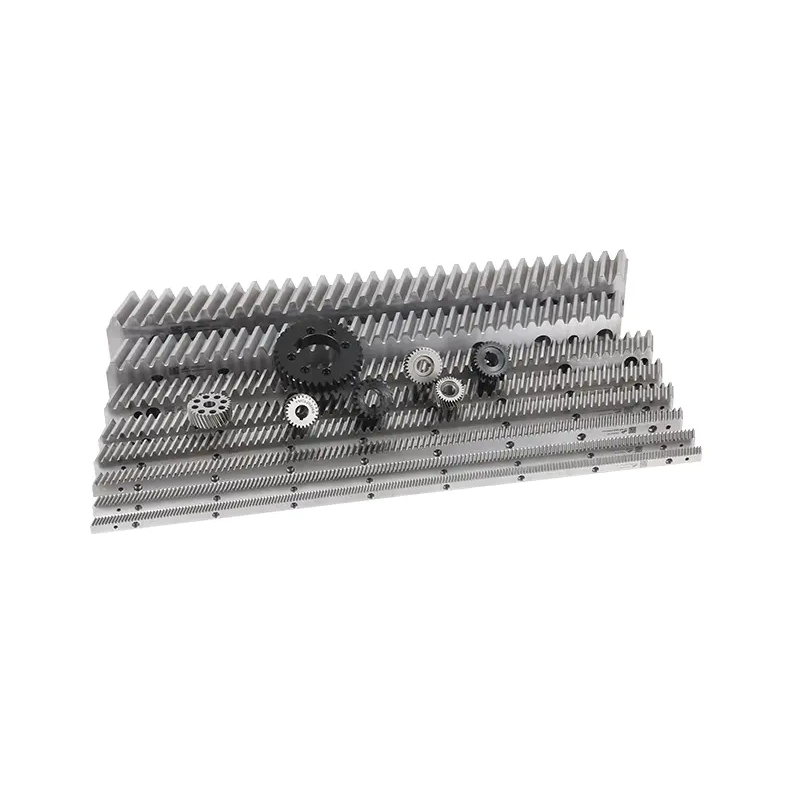
At a glance, the mechanism feels easy to understand. A gear turns. A straight rack moves. That is the basic idea. But when the task calls for steady positioning and repeatable movement, the choice of system becomes less obvious. Small differences begin to show up in how the machine behaves.
Choosing a high precision rack and pinion is not about chasing a label. It is about matching the system to how it will actually be used.
Precision is often described in numbers, yet in daily use it shows up in more subtle ways. A machine that moves to the same spot again and again without hesitation gives a certain sense of trust. There is no visible correction, no slight shake before settling.
The motion feels controlled. It starts, moves, and stops without drawing attention to itself.
When precision is lacking, the difference is not always dramatic. It may appear as a slight delay, a faint vibration, or a position that feels just a bit off. These small signals can add up over time, especially in systems that repeat the same movement many times.
In a rack and pinion setup, this feeling comes from how well the teeth stay in contact. Smooth engagement leads to smooth travel.
No system operates in isolation. The surrounding environment shapes how it performs from day to day.
Some installations are placed in clean indoor settings. Surfaces stay relatively free of dust. Temperature changes are mild. In such cases, maintaining steady motion is easier.
Other setups face more challenging conditions. Airborne particles, vibration from nearby equipment, or changes in temperature can all affect how the system behaves. Over time, these factors may alter the way the rack and pinion engage.
A system that works well in one setting may not respond the same way in another. This is why the environment should be considered early, not as an afterthought.
Thinking about where the system will live helps avoid mismatches later.
When people talk about load, they often think only about how heavy something is. In practice, load is more complex than that.
Some systems carry a steady force that does not change much. Others deal with shifting pressure, stops, and changes in direction. These variations can affect how the rack and pinion interact.
A steady load allows the system to settle into a consistent pattern. A changing load asks the system to adjust again and again.
If the load shifts often, the contact between the rack and gear must remain stable during those changes. If it does not, the motion may feel uneven.
Looking at how the load behaves over time gives a clearer picture than looking at weight alone.
Even a carefully chosen system can behave poorly if installation is not handled with care. Alignment plays a quiet but important role.
The rack needs to sit straight along its path. The gear needs to meet it at the correct position. When these elements are slightly off, the contact between them changes.
At the beginning, the difference may seem minor. Over time, it can Find to uneven motion or additional wear.
The supporting structure also matters. If the base shifts or flexes during operation, the alignment will not stay consistent. This can affect how the system performs, even if all parts are in good condition.
Installation is not only about putting pieces together. It is about creating a stable setup that holds its shape during use.
Materials influence how the system ages. They affect how surfaces interact, how they respond to friction, and how they react to the surrounding environment.
A smoother surface often allows for more even contact between the rack and gear. This can support steady motion over repeated cycles.
If the surface becomes rough or uneven, the engagement may feel less consistent. Small changes in texture can influence how the system moves.
Material choice also connects to environmental conditions. Exposure to moisture or temperature shifts can affect how surfaces behave over time.
Choosing materials with the working environment in mind helps maintain consistent performance.
No system remains unchanged once it starts operating. Use gradually affects performance. Maintenance helps manage that change.
Regular checks can reveal early signs of wear. Cleaning removes particles that may interfere with smooth movement. Lubrication supports consistent contact between surfaces.
These actions do not need to be complicated. What matters is consistency.
Without maintenance, small issues can grow. A slight change in surface condition may to uneven motion. Over time, this can affect positioning.
With regular care, the system can continue to move in a predictable way. Maintenance becomes part of the routine rather than a reaction to problems.
Every application has its own rhythm. Some systems move slowly and stop often. Others travel longer distances with fewer interruptions.
A rack and pinion system should match that rhythm.
For slower movements, the focus may be on smooth travel and quiet operation. For faster motion, stability during changes in speed becomes more noticeable.
Frequent starts and stops place different demands on the system than continuous movement. Repetition also plays a role. A task performed many times needs consistency more than occasional motion.
Thinking about how the system will move during a typical cycle helps narrow down suitable choices.
The process becomes easier when broken into simple steps.
These steps do not require detailed calculations. They rely on observing how the system will be used in real conditions.
A clear picture of the application often leads to a clearer decision.
At a distance, rack and pinion systems appear straightforward. Up close, small details begin to matter.
A slight shift in alignment can change how the teeth meet. A small variation in surface condition can affect how the system feels during movement. These changes are not always visible right away.
Over time, they influence how the system behaves.
Paying attention to these details during selection and setup can prevent issues later. It also helps the system maintain a steady pattern of movement.
Precision is not created by a single feature. It comes from many small choices working together.
Share:
Related Products

If you have cooperation intention, please leave a message for us or use the following ways to contact us.We will reply to you as soon as possible and provide you with more sincere service, thank you.
Production
QR Code
Call Us :
+86-13758631128
E-mail :
sttc@cnstcd.com
Add :
31 piazza road, ruoheng town, wenling city, taizhou city, zhejiang province, China.
Copyright © by Zhejiang Soter Transmission Technology Co., Ltd. Rights Reserved.

China Rack And Pinion For Sale

 English
 中文简体
中文简体
 Español
 русский