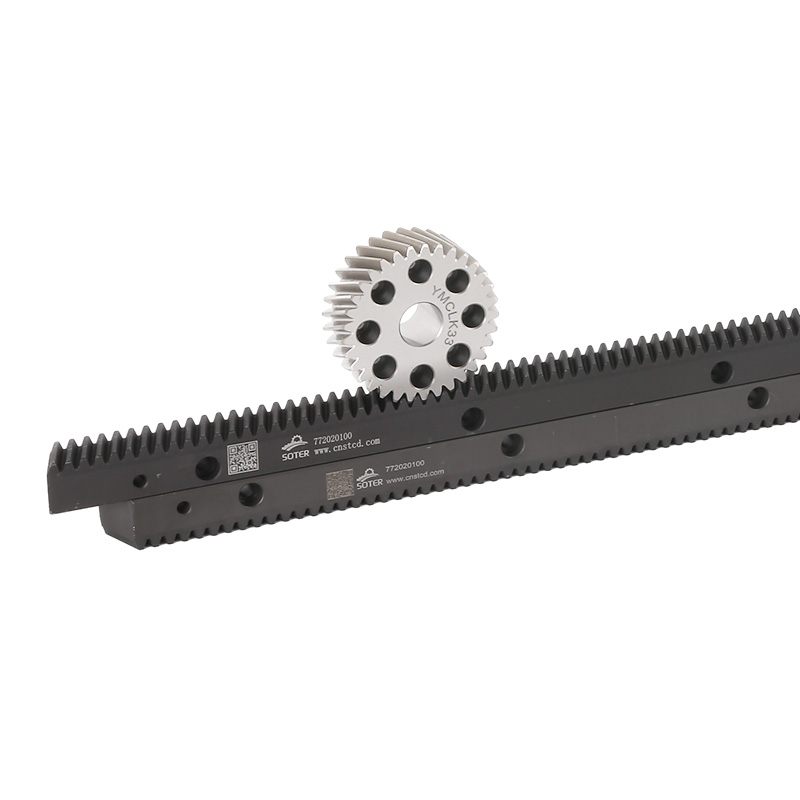
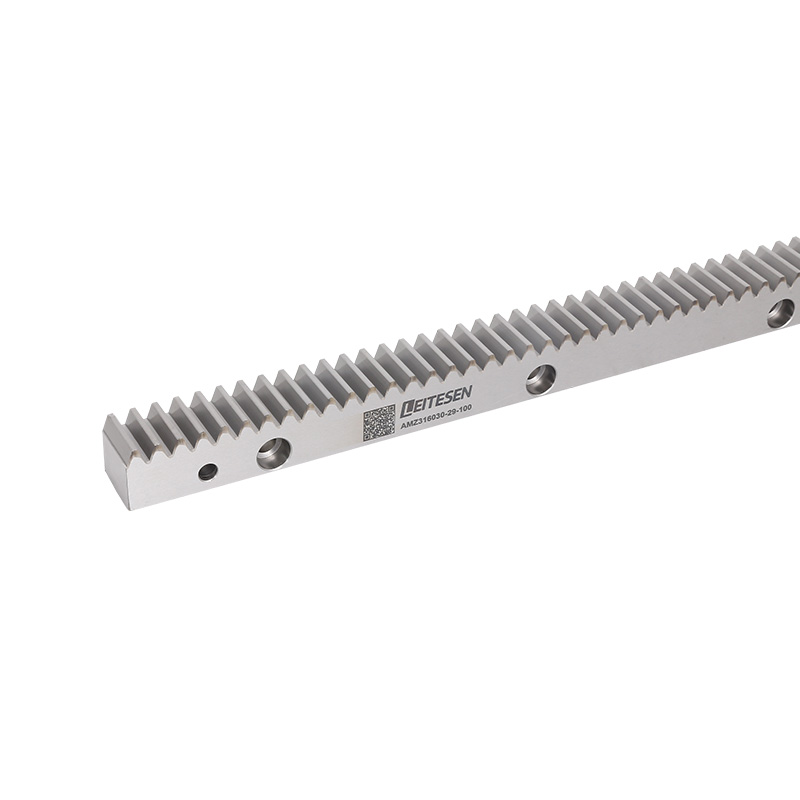
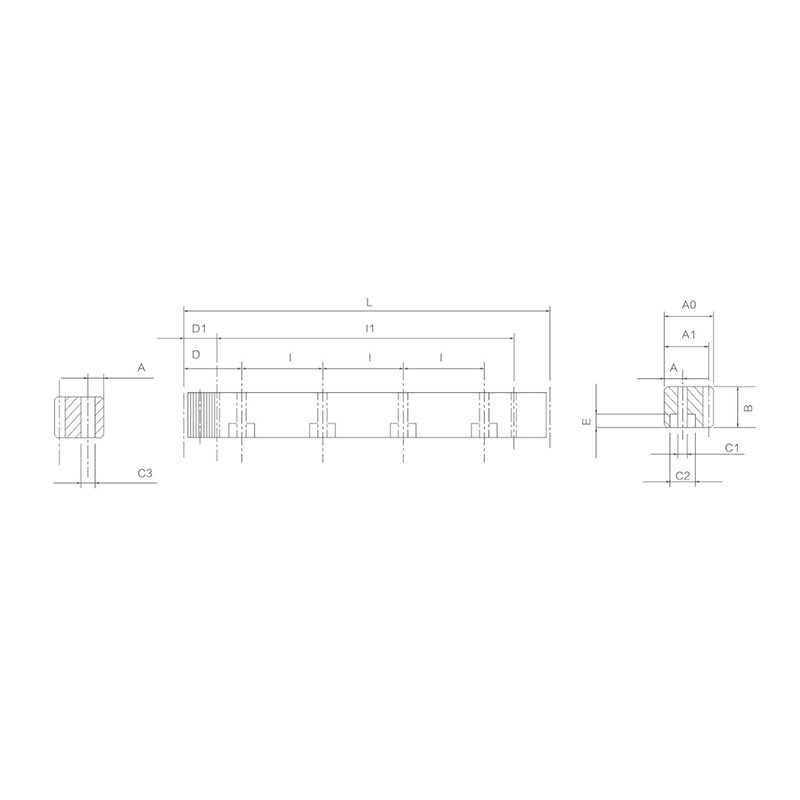
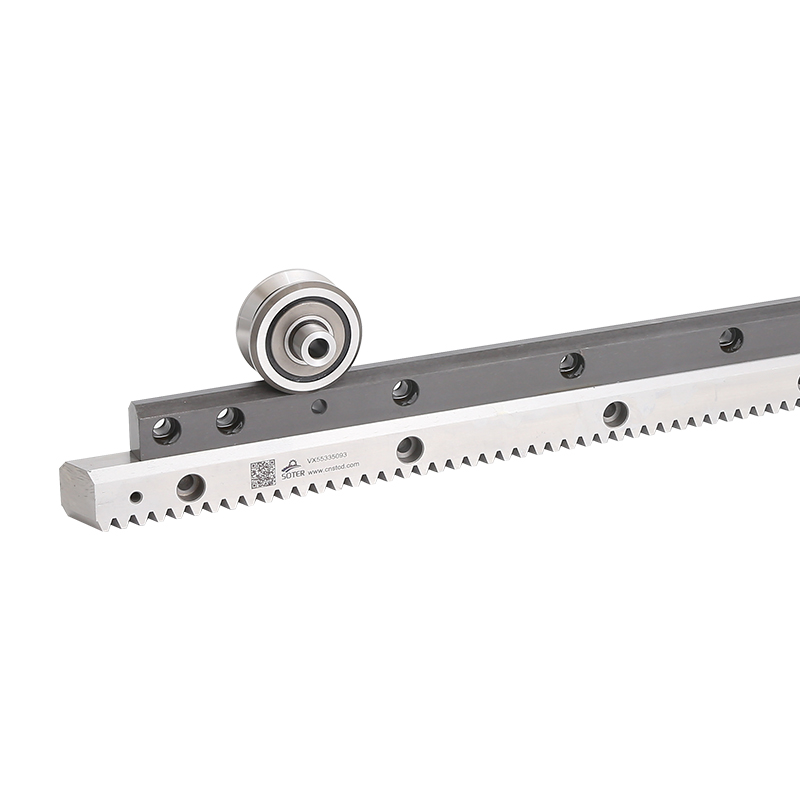
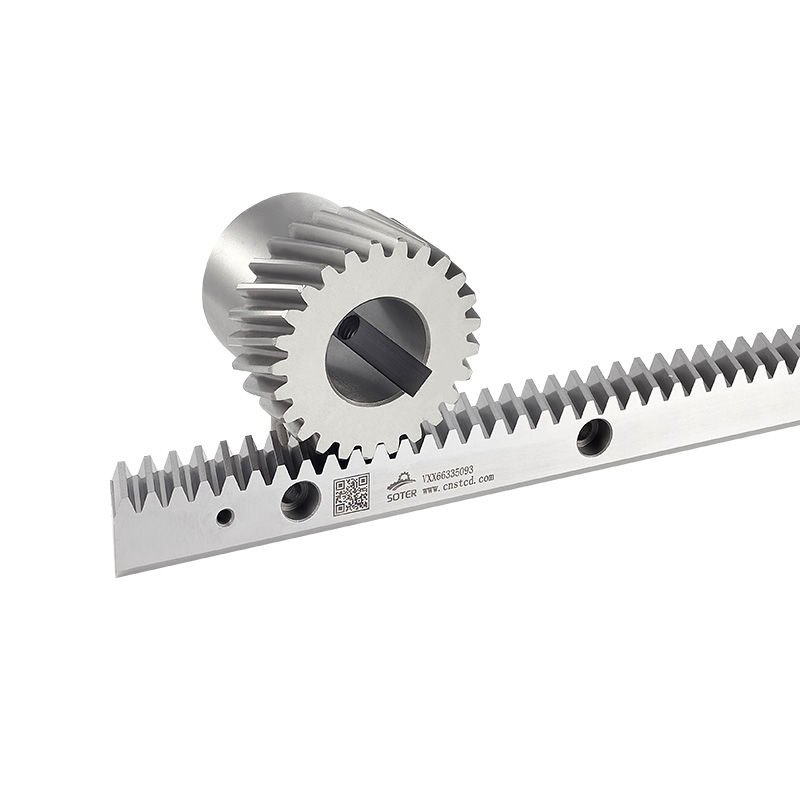
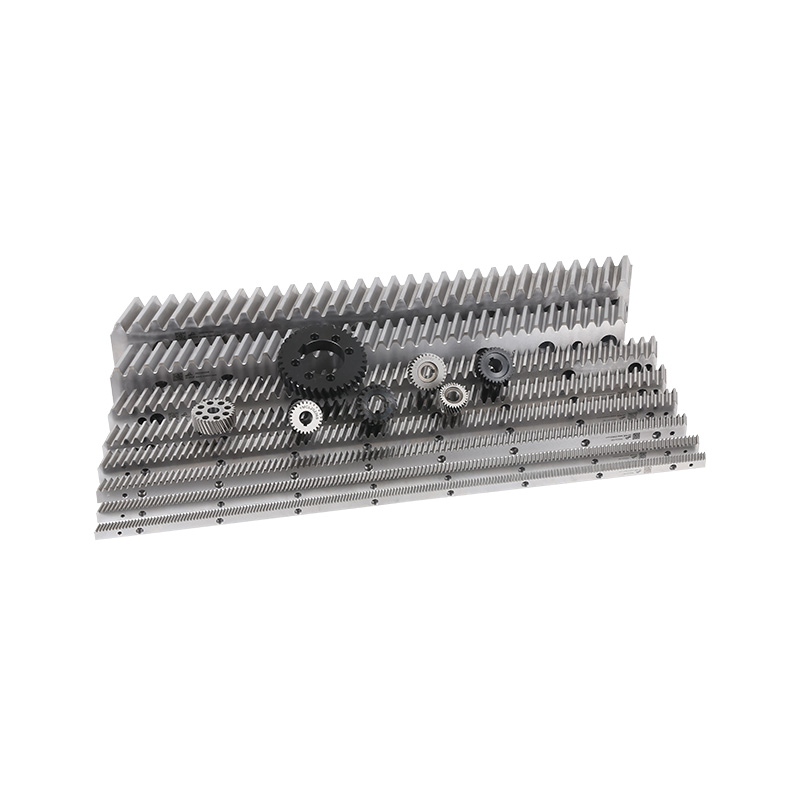
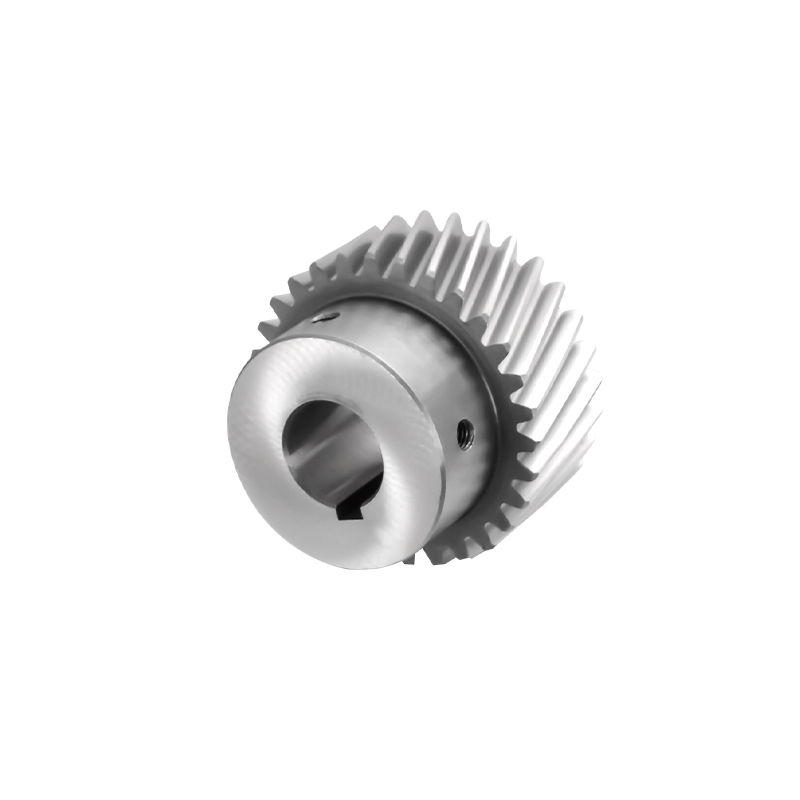
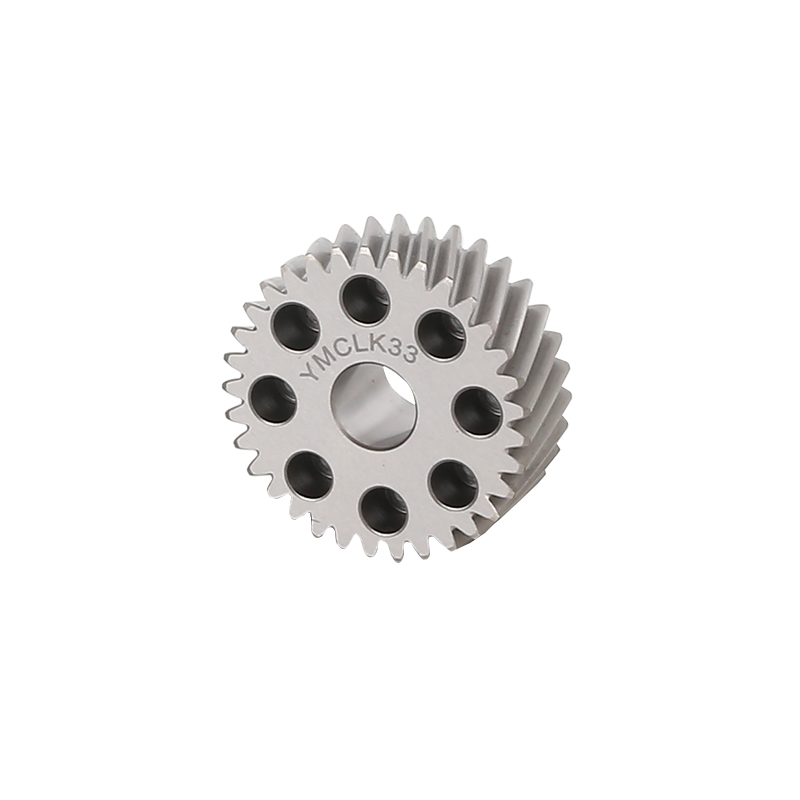
Straight gear racks are essential components in mechanical systems that convert rotational motion into linear motion. Selecting the appropriate straight gear rack for different load requirements is crucial for ensuring suitable performance, efficiency, and longevity of machinery. Guiding Straight Gear Rack Factory suppliers provide various options tailored to diverse applications. This article explores the factors to consider when choosing a straight gear rack for varying loads, including material, design, precision, and maintenance considerations.
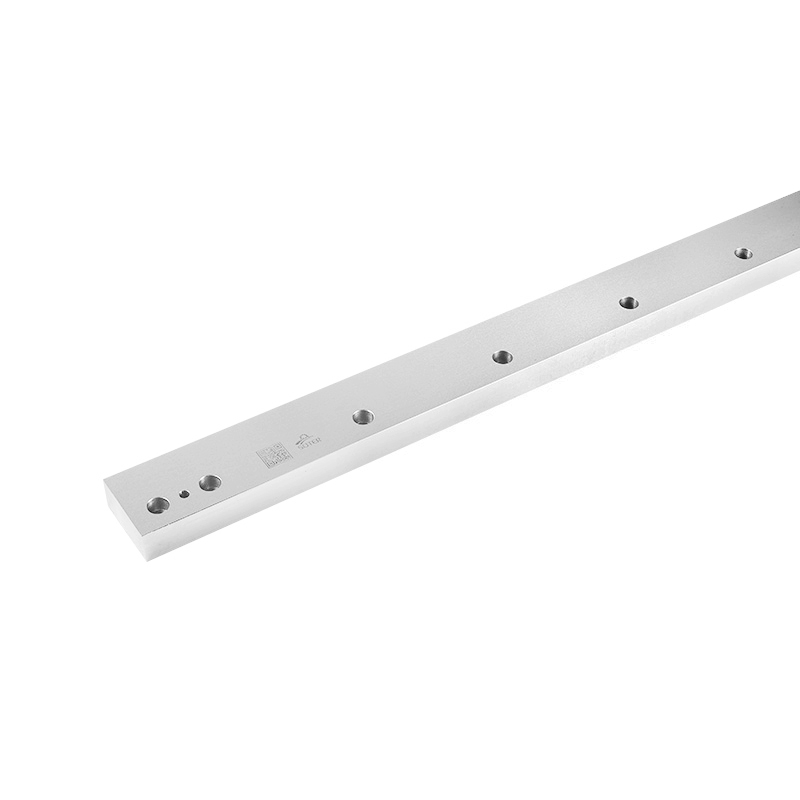
Understanding Load Requirements
- Static load vs. dynamic load: Determine whether the gear rack will support stationary forces or continuous motion loads. Static loads require materials that resist deformation, while dynamic loads need durability against wear and fatigue.
- Load capacity: Calculate the weight or force the rack will experience, factoring in safety margins to prevent failure.
- Load distribution: Consider whether the load is evenly distributed along the rack or concentrated at specific points, as concentrated loads may require reinforced racks or thicker profiles.
Material Selection
- Steel racks: High-strength steel offers good durability and wear resistance, ideal for heavy-load applications.
- Alloy steel: Provides good toughness and can be heat-treated for increased hardness, making it suitable for high-precision machinery.
- Aluminum racks: Lightweight and corrosion-resistant, for low-load or portable applications where weight reduction is important.
- Plastic or composite racks: Useful for light-duty applications or environments where noise reduction is important, though less suitable for heavy loads.
Gear Rack Design Considerations
1. Tooth profile:
- Standard straight teeth are sufficient for moderate loads.
- For heavy loads, consider reinforced tooth designs or wider teeth to distribute forces more evenly.
2. Module and pitch: Match the module (tooth size) to the pinion gear to ensure smooth transmission and prevent premature wear.
3. Rack length and support: Longer racks may require intermediate supports to prevent bending under high loads.
4. Surface finish: Polished or ground surfaces reduce friction and wear, especially important for high-speed or high-load applications.
Precision and Tolerances
- Accuracy grade: Higher-grade straight gear racks are manufactured with tighter tolerances, which is critical for applications requiring precise linear positioning.
- Backlash considerations: Minimize backlash to improve performance under variable loads; excessive backlash can reduce efficiency and cause vibration.
- Straightness and alignment: Ensure the rack is straight and properly aligned during installation to prevent uneven load distribution and premature failure.
Installation and Maintenance Tips
- Proper mounting: Secure the rack firmly to prevent movement or bending under load, using reinforced brackets or base plates if necessary.
- Lubrication: Regular lubrication reduces friction, prevents wear, and prolongs service life, particularly for steel racks under heavy load.
- Inspection: Periodically check for signs of wear, tooth deformation, or misalignment, and replace worn racks promptly to maintain performance.
- Environmental protection: Consider coatings or treatments to protect racks from corrosion, moisture, or chemical exposure.
Selecting the Right Supplier
- Quality assurance: Reputable Straight Gear Rack Factory suppliers often provide certifications and testing data to verify load capacity and precision.
- Customization: Some suppliers offer custom gear racks tailored to specific load requirements, lengths, and tooth profiles.
- Technical support: Working with a knowledgeable supplier can ensure proper selection, installation guidance, and maintenance recommendations.
Choosing the right straight gear rack for different loads involves careful consideration of material, design, precision, and operational conditions. Understanding the load type, distribution, and capacity requirements ensures the selected gear rack performs efficiently and lasts longer. By considering these factors and working with experienced Straight Gear Rack Factory suppliers, engineers, and designers can optimize machinery performance, reduce maintenance costs, and enhance system reliability. Proper installation, lubrication, and maintenance further improve the benefits of the selected gear rack, making it a critical component in high-performance mechanical systems.



 English
 中文简体
中文简体
 Español
 русский